
Inflammation and Weight Loss: The Science of Eating to Reduce Chronic Stress
Chronic inflammation is not merely a byproduct of poor diet, it is a metabolic disruptor that interferes with hormonal signaling, cellular repair, and energy regulation. When the body’s inflammatory response remains elevated, it can impair insulin sensitivity, disrupt appetite-regulating hormones like leptin and ghrelin, and promote fat storage, particularly around visceral organs. Dietary patterns rich in ultra-processed foods, refined sugars, and industrial seed oils are strongly associated with higher levels of systemic inflammation, which may contribute to weight retention and metabolic dysfunction over time. Pro-inflammatory diets can alter gut microbiota composition, further exacerbating inflammation and metabolic inflexibility, a condition where the body struggles to switch between burning glucose and fat for fuel.
Conversely, a diet centered on whole, minimally processed foods can modulate inflammatory pathways by providing antioxidants, polyphenols, and essential fatty acids that support cellular resilience. The Harvard T.H. Chan School of Public Health emphasizes that the Mediterranean diet, a pattern rich in vegetables, fruits, legumes, nuts, seeds, and olive oil, has been shown to reduce markers of inflammation such as C-reactive protein (CRP) and interleukin-6 (IL-6). These foods supply bioactive compounds that inhibit the activation of nuclear factor kappa-light-chain-enhancer of activated B cells (NF-κB), a key transcription factor that triggers inflammatory gene expression in immune cells.
How Inflammation Hijacks Weight Regulation
Inflammation disrupts weight management through multiple physiological mechanisms. First, it impairs insulin signaling, reducing the efficiency with which cells uptake glucose. This forces the pancreas to produce more insulin, a hormone that not only regulates blood sugar but also promotes fat storage in adipose tissue. Over time, chronic hyperinsulinemia can lead to insulin resistance, a condition where cells become less responsive to insulin’s signals, perpetuating a cycle of elevated blood sugar and fat accumulation.
Second, inflammation interferes with the function of leptin, the hormone produced by fat cells that signals satiety to the brain. Inflammatory cytokines such as tumor necrosis factor-alpha (TNF-α) can disrupt leptin signaling in the hypothalamus, a brain region critical for appetite regulation. This disruption leads to increased hunger and reduced energy expenditure, as the brain interprets the body’s energy stores as insufficient. Elevated CRP levels are correlated with higher leptin resistance, suggesting that inflammation may blunt the brain’s ability to recognize fullness.
Third, inflammation can reduce non-exercise activity thermogenesis (NEAT), the calories burned through daily movement such as walking, fidgeting, or standing. Pro-inflammatory cytokines like IL-6 have been shown to decrease muscle protein synthesis and increase muscle breakdown, leading to reduced physical activity and lower energy expenditure. This effect is particularly pronounced in individuals with obesity, where chronic low-grade inflammation is more prevalent.
The Anti-Inflammatory Diet: A Metabolic Reset
An anti-inflammatory diet is not a restrictive regimen but a nutrient-dense framework designed to support metabolic health. The core principle is to prioritize foods that provide antioxidants, fiber, and healthy fats while minimizing those that trigger inflammatory responses. The following components form the foundation of this approach:
- Colorful plant foods: Vegetables and fruits are rich in polyphenols, vitamins, and minerals that neutralize free radicals and reduce oxidative stress. Berries, leafy greens, and cruciferous vegetables (e.g., broccoli, kale) are particularly high in anthocyanins and sulforaphane, compounds with potent anti-inflammatory effects.
- Healthy fats: Omega-3 fatty acids, found in fatty fish (salmon, mackerel, sardines), flaxseeds, and walnuts, inhibit the production of pro-inflammatory eicosanoids. Monounsaturated fats, such as those in olive oil and avocados, support cell membrane integrity and reduce the activity of NF-κB.
- Fiber-rich carbohydrates: Whole grains, legumes, and tubers (e.g., sweet potatoes) provide prebiotic fiber that nourishes beneficial gut bacteria. A healthy gut microbiome produces short-chain fatty acids like butyrate, which have anti-inflammatory properties and improve gut barrier function.
- Spices and herbs: Turmeric (curcumin), ginger, garlic, and cinnamon contain bioactive compounds that inhibit inflammatory pathways. For example, curcumin has been shown to suppress the activation of NF-κB and reduce the expression of pro-inflammatory cytokines.
- Hydration and electrolytes: Adequate water intake supports detoxification and cellular function, while electrolytes like magnesium and potassium help regulate fluid balance and nerve signaling.
Equally important is the avoidance of pro-inflammatory foods, which include:
- Refined sugars and high-fructose corn syrup: These rapidly spike blood glucose and insulin, triggering inflammatory responses in adipose tissue and the liver.
- Industrial seed oils: Oils high in omega-6 fatty acids (e.g., soybean, corn, and sunflower oil) can promote the production of pro-inflammatory eicosanoids when consumed in excess relative to omega-3s.
- Ultra-processed foods: These often contain emulsifiers, artificial sweeteners, and preservatives that disrupt gut microbiota and increase intestinal permeability, a condition known as "leaky gut," which can drive systemic inflammation.
Myth: "All Calories Are Equal When It Comes to Inflammation"
This misconception stems from a misunderstanding of how different macronutrients influence metabolic and inflammatory pathways. While caloric intake is a primary determinant of weight loss, the source of those calories plays a critical role in inflammation and metabolic health. For example, a 200-calorie snack of almonds provides healthy fats, fiber, and magnesium, which support anti-inflammatory pathways and satiety. In contrast, a 200-calorie snack of a sugary cereal may spike blood glucose, trigger insulin resistance, and promote the release of pro-inflammatory cytokines.
Diets high in refined carbohydrates and sugars increase postprandial inflammation, a temporary rise in inflammatory markers following a meal, whereas diets rich in whole foods do not. This suggests that the inflammatory response to food is not solely a function of caloric load but is also influenced by the food’s composition and its impact on gut microbiota, insulin signaling, and cellular metabolism.
Practical Strategies for Sustainable Weight Loss
Weight loss achieved through an anti-inflammatory diet is more likely to be sustainable because it addresses the root causes of metabolic dysfunction rather than relying on caloric restriction alone. The following strategies can help integrate this approach into daily life:
- Prioritize whole foods: Focus on meals that include a variety of vegetables, lean proteins, and healthy fats. For example, a breakfast of scrambled eggs with spinach and avocado provides protein, fiber, and monounsaturated fats that support satiety and reduce inflammation.
- Balance omega-6 to omega-3 ratios: Aim for a ratio of 4:1 or lower by reducing intake of processed foods and increasing consumption of fatty fish, flaxseeds, and walnuts. This balance helps shift the body’s production of eicosanoids toward anti-inflammatory forms.
- Incorporate fermented foods: Foods like yogurt, kefir, sauerkraut, and kimchi contain probiotics that support gut health and reduce inflammation. A healthy gut microbiome is linked to improved leptin sensitivity and reduced systemic inflammation.
- Time meals strategically: Intermittent fasting or time-restricted eating may help reduce inflammation by lowering postprandial glucose spikes and improving insulin sensitivity. However, this approach should be individualized based on metabolic health and lifestyle factors.
- Monitor sleep and stress: Poor sleep and chronic stress elevate cortisol, a hormone that promotes fat storage and inflammation. Prioritizing sleep hygiene and stress-reduction techniques (e.g., mindfulness, gentle movement) can enhance the benefits of an anti-inflammatory diet.
Frequently Asked Questions
Can an anti-inflammatory diet help with visceral fat loss specifically?
Visceral fat, the fat stored around internal organs, is metabolically active and secretes pro-inflammatory cytokines. An anti-inflammatory diet can reduce visceral fat by improving insulin sensitivity, lowering systemic inflammation, and supporting the function of hormones like adiponectin, which enhances fat oxidation. However, visceral fat loss is also influenced by overall caloric balance, physical activity, and genetic factors. The diet’s role is to create a metabolic environment that facilitates fat loss rather than targeting visceral fat exclusively.
Is it necessary to eliminate all processed foods to reduce inflammation?
Complete elimination is not required, but minimizing ultra-processed foods is essential. Foods like whole-grain bread, plain yogurt, or minimally processed cheeses can fit into an anti-inflammatory diet if they are free from added sugars, artificial ingredients, and industrial seed oils. The key is to prioritize foods in their most natural state and to read labels for hidden pro-inflammatory additives.
How quickly can someone expect to see improvements in inflammation markers?
Improvements in inflammatory markers such as CRP can occur within weeks of adopting an anti-inflammatory diet, particularly if the previous diet was high in refined sugars and processed foods. A study in Nutrients found that participants following a Mediterranean-style diet showed significant reductions in CRP after just four weeks. However, individual responses vary based on baseline inflammation levels, gut health, and adherence to the diet.
Can supplements like turmeric or fish oil replace dietary changes?
Supplements can complement an anti-inflammatory diet but should not replace it. For example, fish oil may help reduce inflammation, but its benefits are maximized when combined with a diet rich in whole foods. Turmeric (curcumin) has anti-inflammatory properties, but its absorption is enhanced when consumed with black pepper and healthy fats. Always consult a healthcare provider before starting supplements, as they can interact with medications or have side effects.
In Short
- Chronic inflammation disrupts hormonal signaling (insulin, leptin, ghrelin) and promotes fat storage, particularly visceral fat.
- An anti-inflammatory diet focuses on whole, minimally processed foods rich in antioxidants, fiber, and healthy fats while minimizing pro-inflammatory foods like refined sugars and industrial seed oils.
- Inflammation impairs insulin sensitivity, increases hunger, and reduces energy expenditure, making weight loss more challenging.
- Omega-3 fatty acids, polyphenols, and prebiotic fiber are key components of an anti-inflammatory diet that support metabolic health.
- Sustainable weight loss requires addressing the root causes of metabolic dysfunction, not just caloric restriction.
Further Reading from Health Authorities
Advertising disclosure: the links below are affiliate links. We may earn a commission if you use them, at no extra cost to you. This does not change the article's content, and it is not a medical recommendation.
Recommended Health & Fitness Gear

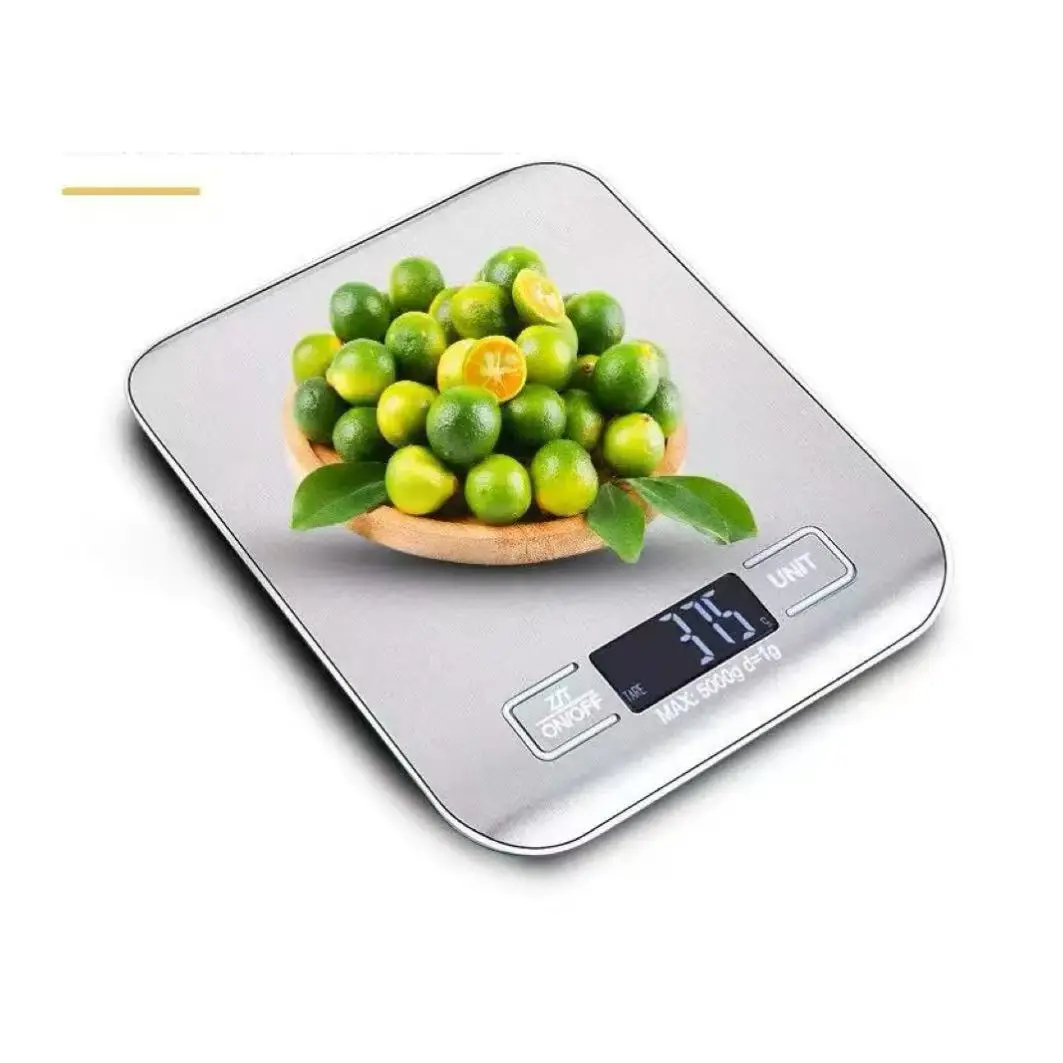


Browse kitchen and portion tools on Amazon
Food scales, portion containers and measuring sets, as an Amazon category search. We have not tested individual products.


