Why your belly fat won’t budge (even when you’re "doing everything right")
I’ll admit it—I used to think my Sunday meal prep was the golden ticket to a leaner waistline. Grilled chicken, roasted veggies, quinoa in neat little containers. Perfect, right? Then I’d step on the scale Monday morning, see the same stubborn number, and wonder what the heck was going wrong.
Turns out, my stress levels were doing more damage than my "perfect" meal plan was fixing. And I’m not alone. That spare tire around your middle isn’t just about calories in and calories out—it’s about what’s happening in your body when you’re not even looking at food.
Here’s the deal: chronic stress doesn’t just make you crave junk food (though it absolutely does). It actually reprograms your fat storage, especially around your belly. And unless you tackle the root cause, no amount of kale smoothies or HIIT workouts will move the needle.
How stress turns into belly fat (the science, simplified)
When you’re stressed, your body floods with cortisol—a hormone that, among other things, tells your body to hold onto fat, particularly visceral fat (the kind that wraps around your organs). Studies show that people with high cortisol levels tend to carry more belly fat, even if their diet and exercise are on point.
But here’s the kicker: cortisol doesn’t just make you store fat—it also increases cravings for high-calorie, high-sugar foods. Ever notice how you’re suddenly starving after a long day at work? That’s cortisol talking. It’s your body’s way of saying, "Hey, I need quick energy to deal with this threat!" (Even if the "threat" is just your boss’s Slack message.)
And if that wasn’t enough, stress messes with your sleep, which then messes with your hunger hormones. It’s a vicious cycle. Harvard Health breaks it down better than I can—basically, your body starts acting like it’s in survival mode 24/7, and fat loss becomes the last priority.
What actually works (hint: it’s not just "eat less, move more")
I used to think the answer was more discipline. More willpower. More workouts. But after years of spinning my wheels, I realized the real fix was simpler—and way less exhausting. Here’s what moved the needle for me (and my family):
1. Prioritize sleep like it’s your job
I used to brag about how little sleep I needed. "Four hours? No problem," I’d say, like it made me some kind of productivity machine. Spoiler: it didn’t. Sleep deprivation doubles your cortisol levels and makes your body hold onto fat like it’s going out of style. Research in the journal *Sleep* found that people who slept less than 6 hours a night had higher belly fat percentages, even when controlling for diet and exercise.
So what’s the fix? Aim for 7-9 hours, and try to keep a consistent schedule. Even if it means saying no to late-night Netflix marathons (yes, I’m talking to myself here). If you’re struggling to wind down, try:
- No screens 1 hour before bed—the blue light tricks your brain into staying awake.
- A wind-down routine—whether it’s reading, stretching, or sipping chamomile tea. (I keep a book on my nightstand instead of my phone. It’s pathetic, but it works.)
- Blackout curtains—if streetlights are your enemy, fight back.
2. Move more, but not how you think
I used to assume that if I wasn’t dripping sweat after a workout, I wasn’t doing enough. But here’s the thing: stress-eating recovery isn’t about intensity—it’s about consistency. Walking, yoga, even light resistance training can lower cortisol levels over time. A study in *Frontiers in Psychology* found that just 30 minutes of moderate exercise three times a week reduced cortisol by 20% in chronically stressed adults.
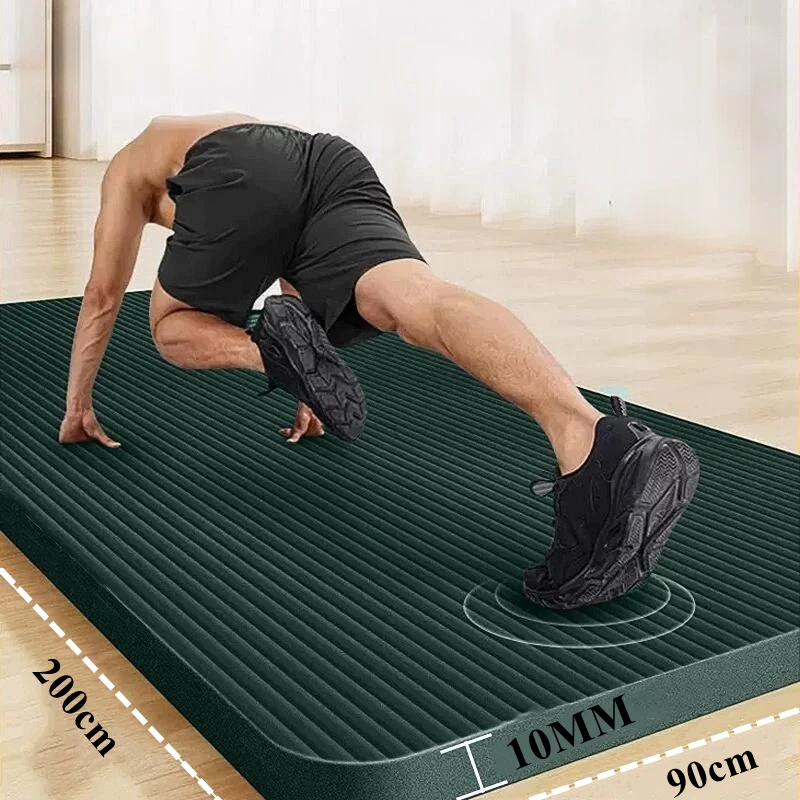
My favorite hack? A 10-minute walk after dinner. No gym, no gear—just fresh air and a chance to decompress. And if I’m really pressed for time, I’ll do a quick bodyweight circuit (push-ups, squats, planks) while the kids are doing homework. It’s not fancy, but it keeps my stress in check.
3. Eat for stress relief, not just weight loss
This is where most diet advice falls short. You can eat all the kale in the world, but if your meals are leaving you hangry, cortisol will still be running the show. The key is balancing blood sugar to avoid those energy crashes that trigger stress eating.
Here’s what works for my family:
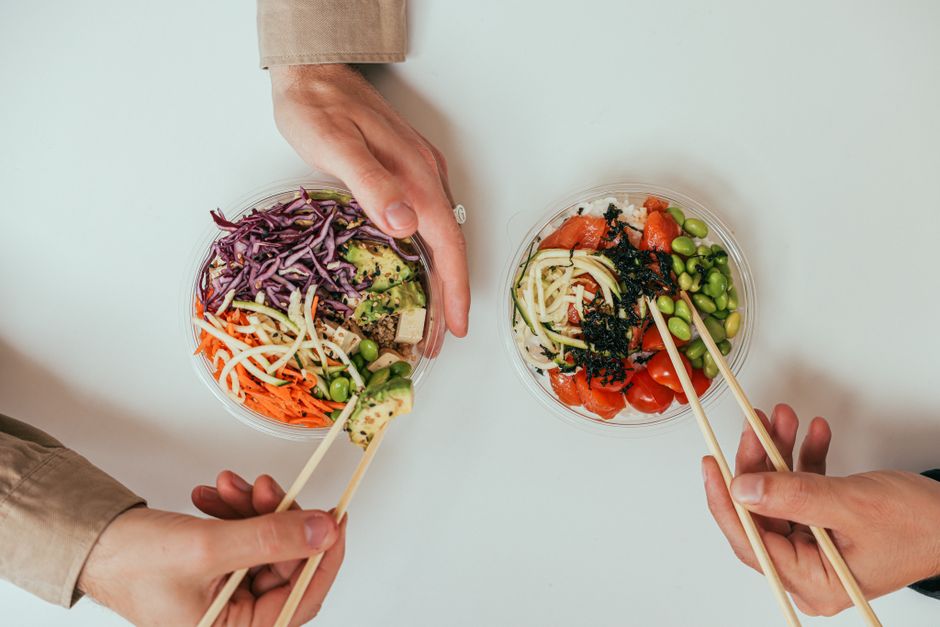
- Protein + fiber at every meal—keeps you full and steady. Think eggs with avocado, Greek yogurt with berries, or chicken with roasted broccoli.
- Healthy fats—avocado, nuts, olive oil. They help regulate cortisol and keep cravings at bay.
- Magnesium-rich foods—spinach, pumpkin seeds, dark chocolate (yes, really). Magnesium is a natural stress-buster.
Budget tip: Buy frozen spinach and canned pumpkin seeds. They’re cheap, last forever, and pack a nutritional punch. I toss them into smoothies, oatmeal, or even pasta sauce when I’m feeling lazy.
4. Carve out "me time" (yes, it’s non-negotiable)
I used to think self-care was a luxury. Now I know it’s a necessity. Whether it’s 10 minutes of meditation, a hot shower, or just sitting outside with a cup of coffee, taking time to recharge lowers cortisol. A study in *Psychoneuroendocrinology* found that mindfulness practices reduced cortisol levels by up to 20% in just eight weeks.
My go-to? A 5-minute breathing exercise before bed. Inhale for 4 counts, hold for 4, exhale for 6. It’s not meditation-level fancy, but it works. And if I’m really stressed, I’ll do a quick body scan—closing my eyes and checking in with each muscle group. Feels weird at first, but it’s weirdly effective.
Small changes, big results
I won’t lie—fixing my stress levels wasn’t a quick fix. It took months of tweaking my sleep, my meals, and my mindset. But the payoff? My belly fat finally started shifting, and I felt more energized than I had in years.
If you’re feeling overwhelmed, start small. Pick one thing from this list and build from there. Maybe it’s adding a protein-rich breakfast or committing to a 7-hour sleep goal. Progress isn’t about perfection—it’s about consistency.
FAQs
Does drinking more water help with stress belly fat?
Yes, but not for the reason you think. Dehydration can spike cortisol, making fat loss harder. Drinking enough water also helps curb false hunger signals, so you’re less likely to stress-eat. Aim for half your body weight (in pounds) in ounces daily. For me, that’s about 100 ounces—yep, I’m basically a human Brita filter.
Can I out-train a bad diet when it comes to stress belly fat?
Nope. Exercise is great for stress relief and overall health, but if your diet is constantly spiking your blood sugar, cortisol will stay elevated. You can’t outrun a poor diet—trust me, I’ve tried. Focus on whole foods first, then layer in movement.
How long does it take to see changes?
It varies, but most people see a difference in 4-8 weeks if they’re consistent. The key is tracking how you feel more than the scale. Less bloating? Better sleep? More energy? Those are wins too. And if the scale isn’t moving but your clothes fit better? That’s a win in my book.
Key takeaways
- Stress = belly fat because cortisol tells your body to store fat and crave junk.
- Sleep is your secret weapon—prioritize 7-9 hours nightly.
- Move consistently, not intensely—walking, yoga, and light strength training lower cortisol.
- Eat for blood sugar balance—protein, fiber, and healthy fats keep cravings in check.
- Small, sustainable changes work best—pick one thing to focus on and build from there.
Want more? Check out these posts for deeper dives:
Recommended Health & Fitness Gear