Table of Contents
Your gut isn’t just digesting food—it’s digesting stress
I’ve seen it a hundred times. Someone comes into the gym after a long day, hits the weights hard, then heads straight for the vending machine. Not because they’re hungry, but because the cortisol’s talking louder than their hunger cues. That’s the stress-belly connection in action.
Here’s the thing: your body doesn’t care if the stress is from a screaming boss, a packed schedule, or just scrolling through bad news at 2 AM. It reacts the same way—by storing fat around your midsection. And once that belly fat sets up shop, it doesn’t just sit there. It starts whispering back to your brain, making cravings worse and recovery slower.
I learned this the hard way after my last season as a college athlete. I thought I could out-train a 30-hour workweek. Spoiler: I couldn’t. My waistline paid the price, and it took me years to realize that fixing my gut wasn’t just about more crunches—it was about dialing down the noise upstairs.
Why stress turns your belly into a storage unit
When stress hits, your adrenal glands flood your system with cortisol. That hormone’s job is to help you survive short-term threats—like running from a bear. But in modern life, the bear never leaves. Your body keeps pumping cortisol, and over time, it starts rerouting energy to your abdomen. That’s where fat cells have more cortisol receptors, so they grow faster and hang on tighter.
Worse, high cortisol makes your body resistant to insulin. That means when you eat something starchy or sugary, your blood sugar spikes, then crashes—leaving you starving an hour later. It’s a vicious cycle: stress → cortisol → belly fat → cravings → repeat.
And here’s the kicker: belly fat isn’t just a storage problem. It’s an endocrine organ. It releases its own inflammatory signals, which can mess with your sleep, mood, and even your immune system. I’ve had clients who lost 15 pounds of scale weight but still looked the same in the mirror because the fat clung to their waist. Fixing that meant fixing their stress response first.
What actually works (and what doesn’t)
I used to tell people to “just relax” like it was a switch. As if telling someone with a packed schedule to “chill out” wasn’t the least helpful advice ever. Now I focus on small, repeatable habits that don’t require a spa day or a meditation retreat.
Here’s what I’ve seen move the needle:
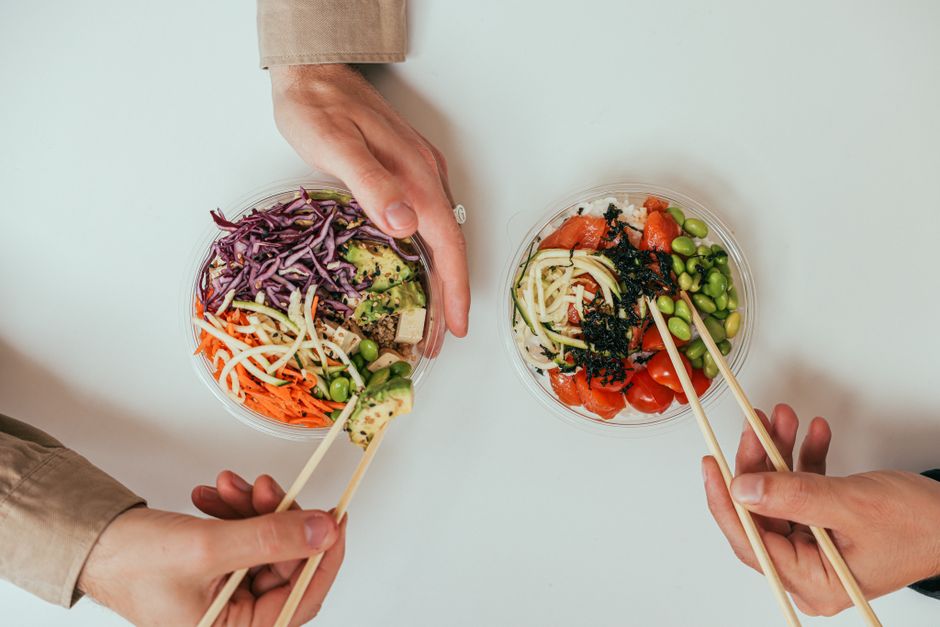
- Prioritize protein at every meal. Aim for at least 30 grams per meal. It keeps blood sugar steady, which cuts cravings. I had a client who added a scoop of Greek yogurt to her breakfast and dropped two inches off her waist in six weeks—no other changes.
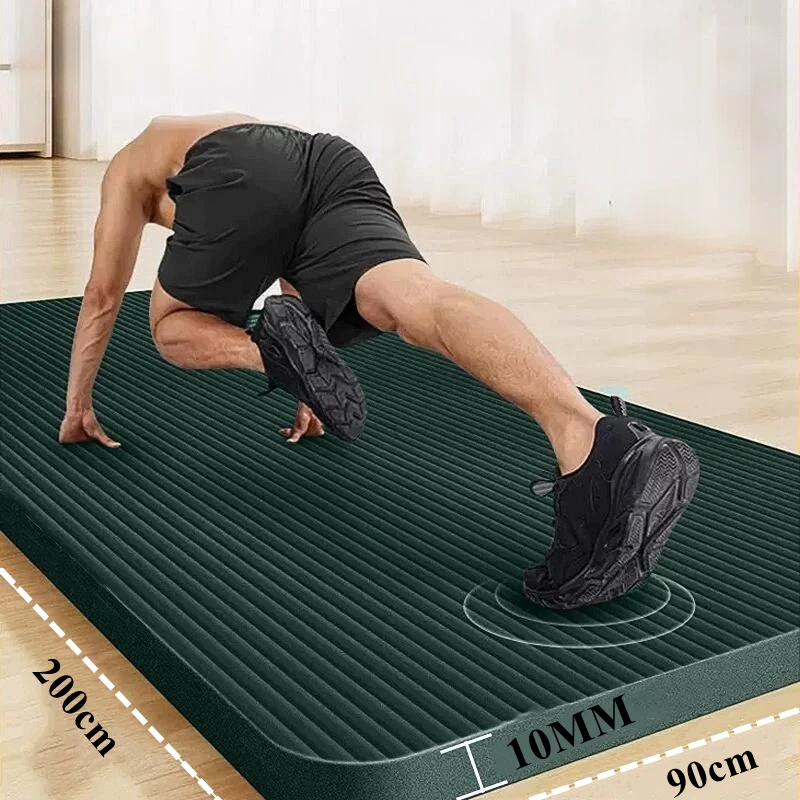
- Move, but not just to burn calories. Yoga, walking, or even light resistance training lowers cortisol better than grinding through a HIIT session when you’re already fried. I learned this after pushing myself into overtraining burnout. Now I tell my clients: “If your workout feels like another stressor, it’s not helping.”
- Sleep before midnight. Even one hour of lost sleep can spike cortisol by 20%. I used to think I could function on five hours. Turns out, my waistline disagreed. Now I aim for seven hours, and I protect that window like it’s a client session.
- Cut the liquid sugar. A single 20-ounce soda has 250 calories of pure fructose, which goes straight to your liver and triggers fat storage. Swap it for sparkling water with lemon. It sounds small, but it’s one of the fastest ways to reduce belly fat.
- Breathe like you mean it. Not the shallow chest breathing most of us default to. Try box breathing: inhale for four counts, hold for four, exhale for four, pause for four. Do it for two minutes before meals or bed. It’s not a cure-all, but it’s a reset button.
Where most plans go wrong
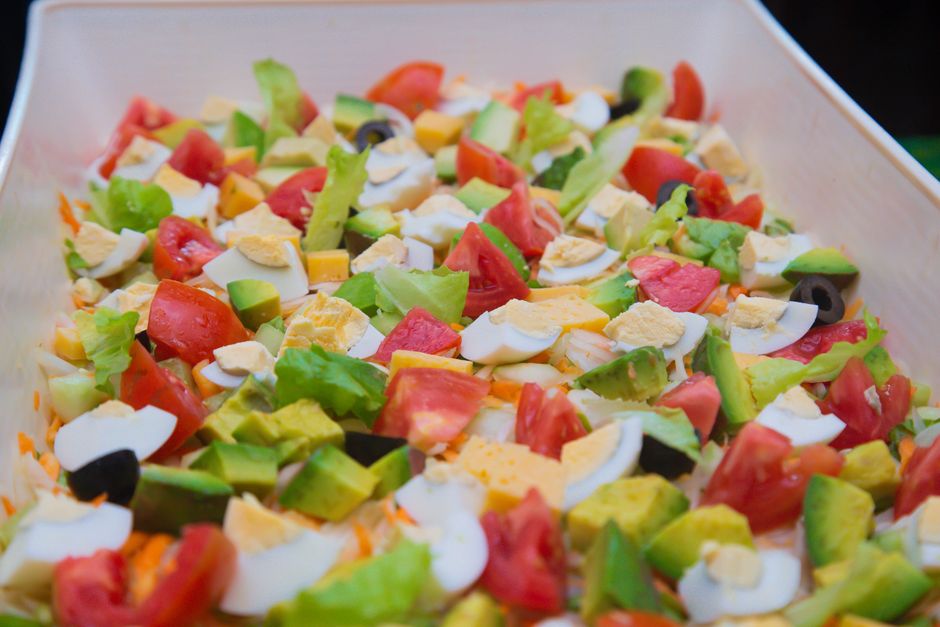
I see people overcomplicating this. They cut carbs to zero, do two-a-day workouts, and wonder why their belly fat won’t budge. Here’s the truth: you don’t need to eat kale for breakfast, lunch, and dinner. You don’t need to live in the gym. In fact, over-restricting often backfires by spiking cortisol even higher.
Another mistake? Chasing the “perfect” diet. I’ve had clients swear by keto, paleo, or intermittent fasting, only to gain belly fat when life got chaotic. The best diet is the one you can stick to when stress hits—not the one that looks good on Instagram.
And let’s talk about supplements. I’m not anti-supplement, but I’ve seen too many people waste money on magnesium or adaptogens without fixing the basics. Fix your sleep, your protein intake, and your stress first. Then layer in the extras if you still need help.
What to eat when stress is winning
When cortisol’s high, your body craves quick energy. That’s why stress eating feels so urgent. But you can satisfy those cravings without derailing your progress. Here’s a simple framework:
- For salty cravings: Pick pickles, olives, or a small handful of nuts. Skip the chips—you’ll just want more.
- For sweet cravings: Have a piece of fruit with protein. Apple with almond butter, berries with Greek yogurt. It’s sweet, but it won’t spike your blood sugar.
- For crunchy cravings: Try roasted chickpeas or veggie sticks with hummus. The texture helps, and the fiber keeps you full.
- For late-night munchies: Herbal tea with a teaspoon of honey. It’s warm, it’s sweet, and it won’t leave you bloated.
I keep a stash of these in my kitchen now. It’s not about perfection—it’s about having options that don’t make the problem worse.
Start small, not perfect
If you’re waiting for the perfect moment to fix your stress and belly fat, you’ll be waiting forever. I’ve had clients make progress by adding just one habit: a 10-minute walk after dinner, or swapping soda for sparkling water. Small wins build momentum.
And remember: your gut isn’t just a storage unit. It’s a reflection of how you’re living. Fix the stress, and the fat will follow. Not overnight, but steadily. That’s how real change happens.
FAQ
Can I lose belly fat without cutting calories?
Yes, but it’s rare. Most people need a slight calorie deficit to lose fat, even if they’re focusing on stress and protein. The key is making sure those calories come from foods that stabilize blood sugar. Think lean proteins, fiber-rich veggies, and healthy fats. A 200-calorie soda won’t hurt you once, but it adds up fast.
How long does it take to see changes in belly fat?
If you’re consistent with stress management, protein, and sleep, you might notice looser clothes in 4-6 weeks. But real change takes longer—usually 3-6 months for visible shifts. Belly fat is stubborn because of those cortisol receptors. Patience is your best tool.
Is walking enough to reduce belly fat?
Walking alone won’t melt belly fat, but it’s one of the best tools for lowering cortisol. Pair it with strength training and protein, and you’ll see changes. I’ve had clients lose inches just by adding a daily 30-minute walk—no other changes.
Key Takeaways
- Belly fat isn’t just about calories—it’s about cortisol and insulin resistance.
- Protein, sleep, and stress management matter more than extreme diets or workouts.
- Small, repeatable habits beat perfection every time.
- Fix your stress response first, then the fat will follow.
Scientific References & Authority Sources
Medically Reviewed & Fact-Checked
This article has been reviewed and fact-checked by a Board-Certified Health & Wellness Coach to ensure compliance with evidence-based scientific guidelines and professional health standards.
Recommended Health & Fitness Gear