Why Seasonal Makeup Palettes Align With Your Biology
Human skin and hair undergo measurable shifts in tone, texture, and sensitivity across the year due to environmental and hormonal changes. These fluctuations are not merely aesthetic, they reflect underlying biological adaptations. For instance, melanin synthesis increases in summer as a protective response to ultraviolet (UV) radiation, while sebum production often peaks in warmer months due to higher temperatures and humidity. These physiological changes create a natural framework for adjusting makeup color palettes to complement, not just contrast, your skin’s seasonal state.
Research from the U.S. FDA underscores that cosmetic formulations must account for seasonal variations in skin barrier function. Products designed for winter, for example, often prioritize occlusive ingredients to prevent transepidermal water loss, while summer formulas may emphasize breathability and UV protection. Selecting colors that harmonize with these shifts can enhance both appearance and skin health.
Spring: Rejuvenation and Renewal
Spring’s arrival brings longer daylight hours, increased vitamin D synthesis, and a subtle rise in skin cell turnover. This season favors lighter, brighter tones that reflect the natural lightening of skin after winter. Soft pinks, peaches, and lavenders align with the body’s increased production of endorphins, which can subtly elevate mood and create a radiant complexion.
For those with sensitive skin, spring’s fluctuating temperatures and pollen levels may trigger irritation. Opt for hypoallergenic and non-comedogenic formulations to minimize risk. The WebMD guide to sensitive skin recommends patch-testing new products and choosing mineral-based foundations with zinc oxide or titanium dioxide to reduce inflammation.
Key Spring Palette Colors
- Lip colors: Coral, rose quartz, and soft mauve
- Eyeshadow: Buttercup yellow, mint green, and dusty rose
- Blush: Peach-toned pinks that mimic natural flush
Summer: High Vibrancy and UV Protection
Summer’s intense sunlight accelerates melanin production, often darkening skin tones and increasing the risk of hyperpigmentation. Makeup choices should prioritize broad-spectrum SPF integration and colors that enhance, rather than mask, the skin’s natural warmth. Warm terracottas, golden bronzes, and deep berries complement the body’s increased blood flow and oxygenation during heat exposure.
Oily skin types may experience heightened sebum production in summer, necessitating long-wear, matte formulations. However, excessive oil control can disrupt the skin barrier, leading to dryness or irritation. The Cleveland Clinic advises balancing oil control with hydrating ingredients like hyaluronic acid to maintain skin integrity.
Key Summer Palette Colors
- Lip colors: Watermelon red, burnt orange, and bronze
- Eyeshadow: Shimmering golds, turquoise, and deep plum
- Blush: Warm terracotta and sun-kissed peach
Autumn: Warmth and Depth
As daylight decreases and temperatures drop, skin often appears drier and more prone to dullness. Autumn’s palette leans into rich, earthy tones that echo the season’s foliage and compensate for reduced sunlight exposure. Deep plums, burnt siennas, and olive greens create depth while supporting the skin’s need for hydration and barrier repair.
For those with rosacea or reactive skin, autumn’s lower humidity can exacerbate redness. Layering lightweight, silicone-free primers under makeup can help smooth texture without clogging pores. Ingredients like niacinamide and ceramides in foundation formulas can reinforce the skin’s lipid barrier during this transition.
Key Autumn Palette Colors
- Lip colors: Deep berry, rust, and caramel
- Eyeshadow: Burnt umber, forest green, and copper
- Blush: Warm brick red and muted terracotta
Winter: Cool Tones and Barrier Support
Winter’s cold air and indoor heating strip moisture from the skin, often leaving it looking sallow or ashy. The body’s reduced vitamin D synthesis during this season can also contribute to a duller complexion. Makeup choices should focus on illuminating and hydrating formulations that counteract environmental stressors. Cool pinks, frosty mauves, and pearlescent whites can brighten the skin while providing a subtle contrast to winter’s muted tones.
Sensitive skin may react to winter’s temperature swings with increased dryness or eczema flare-ups. Opt for fragrance-free and alcohol-free products to minimize irritation. The Cleveland Clinic notes that occlusive ingredients like shea butter and squalane in winter makeup can help lock in moisture and protect against transepidermal water loss.
Key Winter Palette Colors
- Lip colors: Frosted rose, berry gloss, and soft mauve
- Eyeshadow: Icy silver, soft lavender, and frosted champagne
- Blush: Cool pink and soft plum
Myth: Seasonal Makeup is Just About Trends
A common misconception is that seasonal makeup palettes are purely aesthetic, driven by fashion trends rather than biological necessity. However, skin’s physiological response to seasonal changes, such as altered melanin production, sebum levels, and barrier function, directly impacts how makeup interacts with the skin. For example, a foundation formulated for summer may not provide adequate hydration for winter, leading to flakiness or irritation. Conversely, a winter-optimized product may feel too heavy in summer, clogging pores or exacerbating oiliness.
The FDA emphasizes that cosmetic safety is not one-size-fits-all; formulations must adapt to seasonal skin conditions to maintain efficacy and minimize adverse reactions. Ignoring these biological shifts can result in makeup that either fails to perform or actively harms the skin barrier.
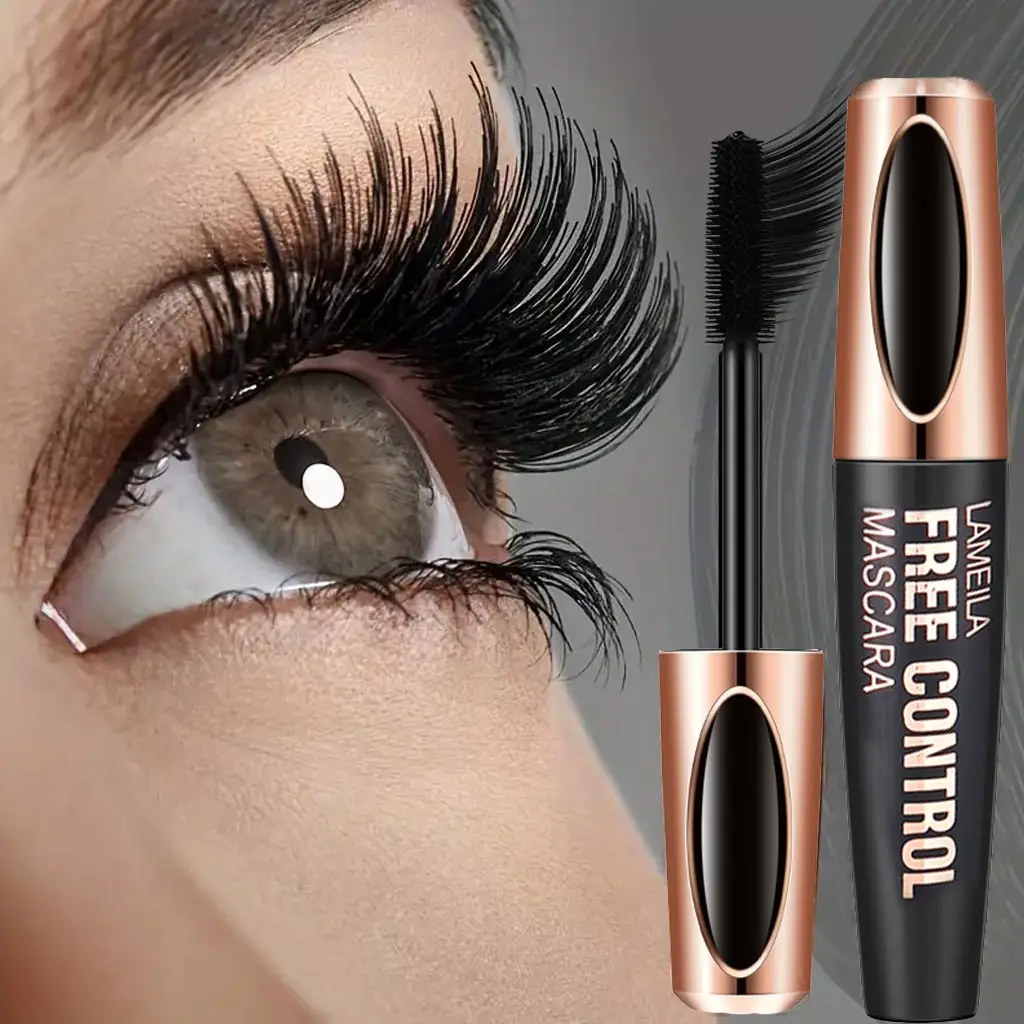
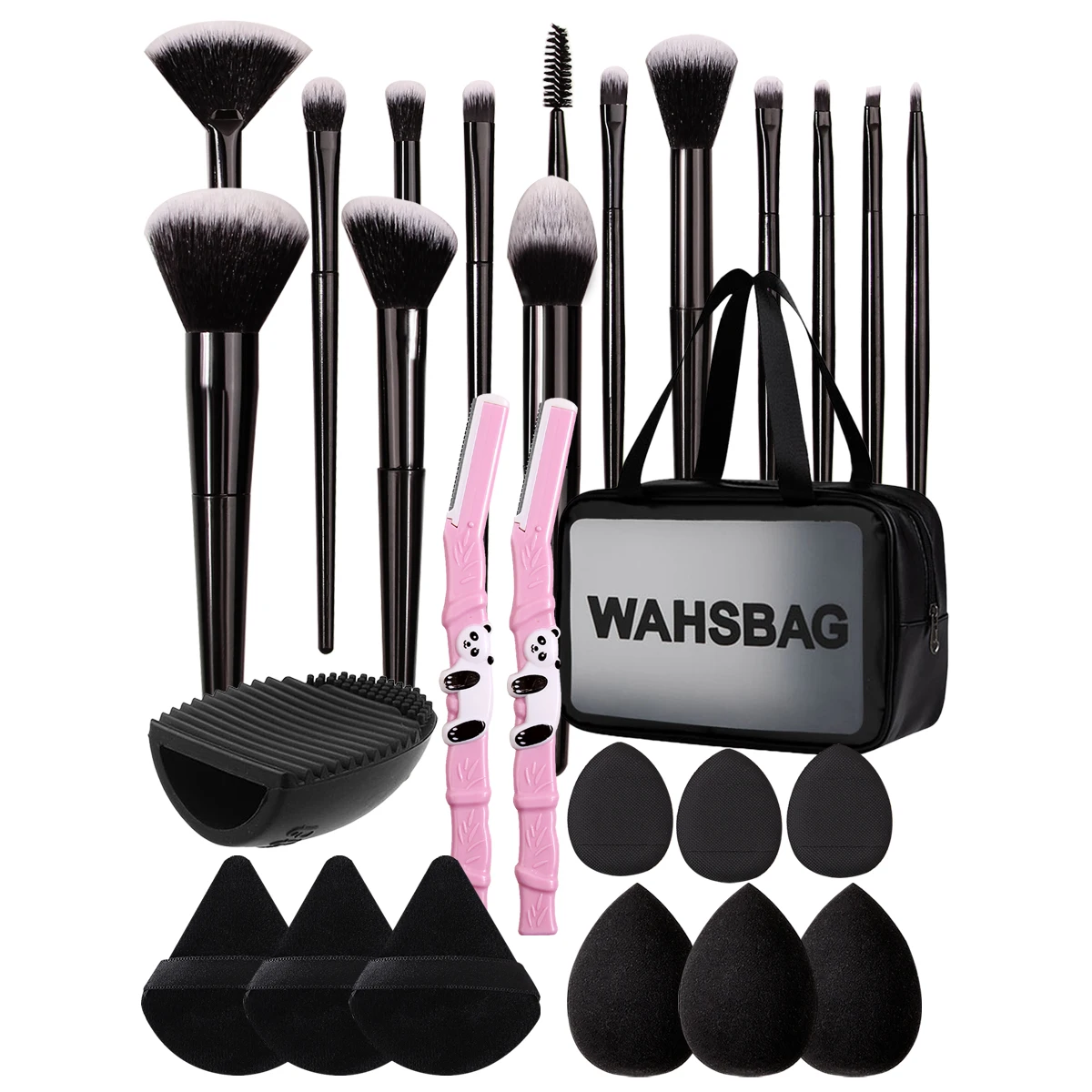
Recommended Makeup Tools

FAQ: Seasonal Makeup Adjustments
How do I transition my makeup routine between seasons without overhauling my entire collection?
Start by identifying the core colors in your current palette that align with the upcoming season’s tones. For example, if you wear a warm terracotta blush in summer, transition to a deeper brick red in autumn by gradually blending the two shades. Swap out lipsticks and eyeshadows first, as these are easier to update than foundations or primers. Always patch-test new products to ensure compatibility with your skin.
Can seasonal makeup palettes benefit sensitive skin?
Yes, but with caution. Sensitive skin is more prone to irritation from environmental stressors like temperature changes and allergens. Seasonal palettes can support skin health by incorporating hypoallergenic, non-comedogenic, and fragrance-free formulations. For instance, winter palettes with occlusive ingredients can protect against dryness, while summer palettes with SPF can prevent UV-induced inflammation. Always consult a dermatologist if you experience persistent reactions.
Why do some people’s skin tones appear to change more dramatically between seasons?
Individual variations in melanin production, blood circulation, and lipid barrier function influence how skin responds to seasonal changes. For example, individuals with higher baseline melanin levels may experience less noticeable darkening in summer, while those with fair skin may see more pronounced redness or sunburn. Hormonal fluctuations, such as those during menopause or thyroid imbalances, can also amplify seasonal skin tone shifts.
Is it necessary to use different makeup removers in different seasons?
It can be helpful, especially for those with oily or combination skin in summer or dry skin in winter. Oil-based removers are effective for removing sunscreen and excess sebum in warmer months, while cream or balm-based removers may be gentler for winter’s drier skin. Always follow up with a hydrating toner or serum to restore the skin’s pH balance and prevent irritation.
Before You Go
- Skin physiology shifts with the seasons: Melanin production, sebum levels, and barrier function change in response to environmental factors like UV exposure and temperature.
- Color palettes should complement these shifts: Lighter tones in spring and summer, deeper hues in autumn, and illuminating shades in winter align with the body’s natural adaptations.
- Formulation matters: Seasonal makeup should address specific skin needs, such as SPF in summer or occlusive ingredients in winter.
- Sensitive skin requires tailored choices: Hypoallergenic, non-comedogenic, and fragrance-free products can minimize irritation during seasonal transitions.
- Transition gradually: Update lipsticks, eyeshadows, and blushes first, and always patch-test new products to ensure compatibility.
Advertising disclosure: the links below are affiliate links. We may earn a commission if you use them, at no extra cost to you. This does not change the article's content, and it is not a medical recommendation.
Browse makeup essentials on Amazon
Mineral foundations, brushes and makeup primers, as an Amazon category search. We have not tested individual products.