How to Apply Concealer for Dark Circles: A Dermatologist-Backed Guide to Flawless Coverage
Dark circles under the eyes are a common cosmetic concern, often caused by factors like genetics, fatigue, or thin under-eye skin. While makeup can’t address underlying causes, strategic concealer placement can create an even, natural-looking finish. The key lies in technique, product selection, and skin preparation, not just slathering on thick layers of product.
This guide breaks down evidence-based methods for concealer application, debunks common myths, and offers a step-by-step routine to help you achieve seamless coverage without emphasizing texture or emphasizing fine lines.
Why Dark Circles Appear, and How Concealer Helps
Dark circles form due to a combination of thin skin, blood vessel visibility, and pigmentation. Factors like allergies, dehydration, or lack of sleep can exacerbate their appearance. Concealer works by:
- Color-correcting: Peach or salmon-toned correctors neutralize blue or purple undertones.
- Brightening: Light-reflecting formulas minimize shadowing.
- Blurring: Silicone-based concealers smooth texture.
However, improper application can make dark circles look worse. Overly thick layers or the wrong shade can settle into fine lines or create a mask-like effect.
Step-by-Step: Where to Apply Concealer for Dark Circles
Follow this structured approach for undetectable coverage:
1. Prep the Under-Eye Area
Cleanse and moisturize with a lightweight, non-comedogenic product. For extra hydration, apply a thin layer of eye cream and allow it to absorb fully. If using a corrector, apply it first:
- Blue/purple undertones: Use a peach or salmon corrector.
- Brown/gray undertones: Opt for a yellow-toned corrector.
Wait 30 seconds for the corrector to set before applying concealer.
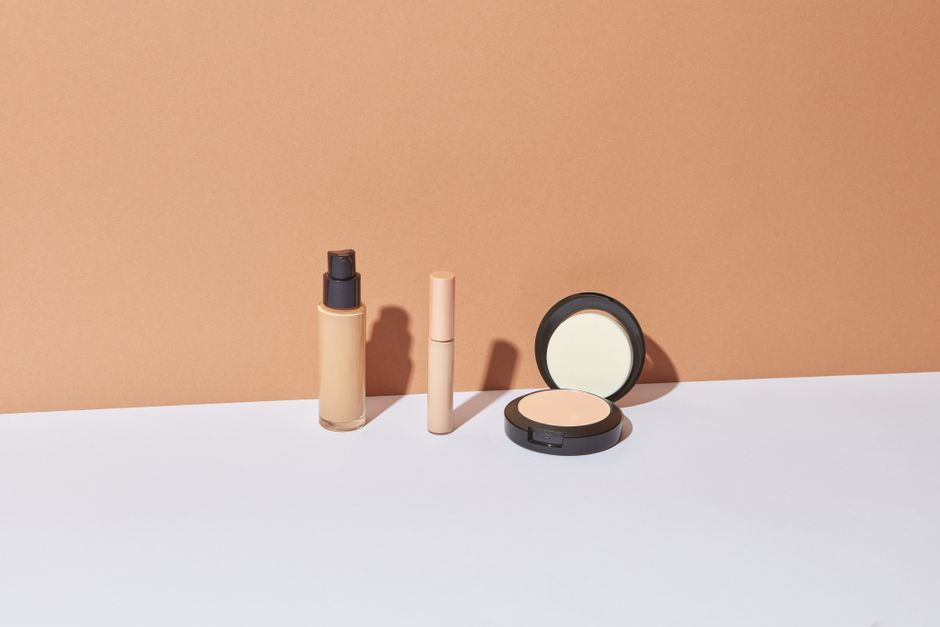
2. Choose the Right Concealer
Select a formula based on your skin type:
- Dry skin: Cream or liquid concealers with hydrating ingredients like hyaluronic acid.
- Oily skin: Matte or long-wear formulas with silica or kaolin clay.
- Sensitive skin: Fragrance-free, dermatologist-tested options.
For best results, match the concealer shade to your skin tone, not the dark circle itself. A shade too light can accentuate shadows.
3. Application Technique
Use a small, flat brush or your ring finger to apply concealer in a triangular shape:
- Start at the inner corner of the eye and blend outward toward the cheek.
- Extend slightly past the darkest area to avoid harsh lines.
- Use a tapping motion (not dragging) to prevent tugging on delicate skin.
For stubborn dark circles, layer thin, buildable coverage rather than one thick coat.
4. Set Without Caking
Apply a light dusting of translucent powder with a fluffy brush to lock in the concealer. Avoid pressing too hard, which can disturb the product. For extra longevity, use a setting spray formulated for sensitive skin.
Common Mistakes That Make Dark Circles Worse
Myth: Thicker Concealer = Better Coverage
Reality: Heavy layers can settle into fine lines and emphasize texture. Instead, focus on strategic placement and blending. A thin, well-blended layer is more natural and long-lasting.
Myth: Any Concealer Will Do
Reality: The wrong shade or formula can highlight dark circles. For example, a concealer that’s too light may create a gray cast, while a matte formula can cling to dry patches. Always test shades in natural light.
Myth: Concealer Alone Solves Dark Circles
Reality: While makeup camouflages discoloration, addressing underlying causes (like sleep deprivation or allergies) yields better long-term results. Lifestyle adjustments, such as hydration, sun protection, and a balanced diet, support skin health.
Product Recommendations for Different Needs
Selecting the right products depends on your skin’s unique concerns:
- Best for sensitive skin: Clinique Even Better All-Over Concealer + Eraser (fragrance-free, tested by dermatologists).
- Best for oily skin: Estée Lauder Double Wear Stay-in-Place Concealer (long-wearing, non-greasy).
- Best color corrector: NYX Professional Makeup Color Correcting Concealer Palette (affordable, buildable shades).
- Best drugstore option: Maybelline Instant Age Rewind Eraser (contains hyaluronic acid for hydration).
Always patch-test new products to avoid irritation, especially if you have reactive skin. For guidance on cosmetic safety, refer to resources from the U.S. FDA and Cleveland Clinic.
Troubleshooting: Fixing Concealer Mistakes
If your concealer isn’t blending well or accentuates texture, try these fixes:
Problem: Concealer Settles into Fine Lines
Solution: Switch to a hydrating, silicone-free formula and apply with a damp sponge. Avoid powder-heavy setups, which can emphasize dryness.
Problem: Dark Circles Look Gray or Ashy
Solution: You may be using a concealer that’s too light or cool-toned. Test a slightly warmer shade or a peach-based corrector first.
Problem: Concealer Cakes or Flakes
Solution: Exfoliate gently with a chemical exfoliant (like lactic acid) before application. Avoid physical scrubs, which can irritate thin under-eye skin.
7-Day Action Plan for Flawless Under-Eye Coverage
Follow this routine to refine your technique and improve skin health:
| Day | Focus | Action Steps |
|---|---|---|
| 1-2 | Skin Prep |
|
| 3-4 | Technique Refinement |
|
| 5-7 | Product Evaluation |
|
FAQ: Your Top Concealer Questions Answered
Can concealer cause under-eye irritation?
Yes, if you use products with fragrances, alcohol, or comedogenic ingredients. Opt for hypoallergenic, dermatologist-tested formulas to minimize risk.
How often should I replace my concealer?
Every 6-12 months, as bacteria can accumulate. Store it in a cool, dry place away from sunlight.
Is it safe to use concealer daily?
Yes, if you choose non-comedogenic, skin-friendly formulas and remove it thoroughly at night. Always follow FDA cosmetic safety guidelines.
What’s the best way to remove concealer without tugging?
Use a micellar water or oil-based remover applied with a soft cotton pad. Gently press (don’t rub) to dissolve makeup.
What This Means for You
- Prep is critical: Hydrate and correct before applying concealer.
- Shade matters: Match concealer to your skin tone, not the dark circle.
- Technique trumps thickness: Build coverage gradually with tapping motions.
- Less is more: Heavy layers emphasize texture; thin, blended application looks natural.
- Safety first: Choose products tested for sensitive skin and follow cosmetic guidelines.
Dark circles are a multifactorial issue, but with the right approach, concealer can create a polished, refreshed look. Focus on skin health, product selection, and technique for results that look as good as they feel.
Advertising disclosure: the links below are affiliate links. We may earn a commission if you use them, at no extra cost to you. This does not change the article's content, and it is not a medical recommendation.
Recommended Makeup Tools
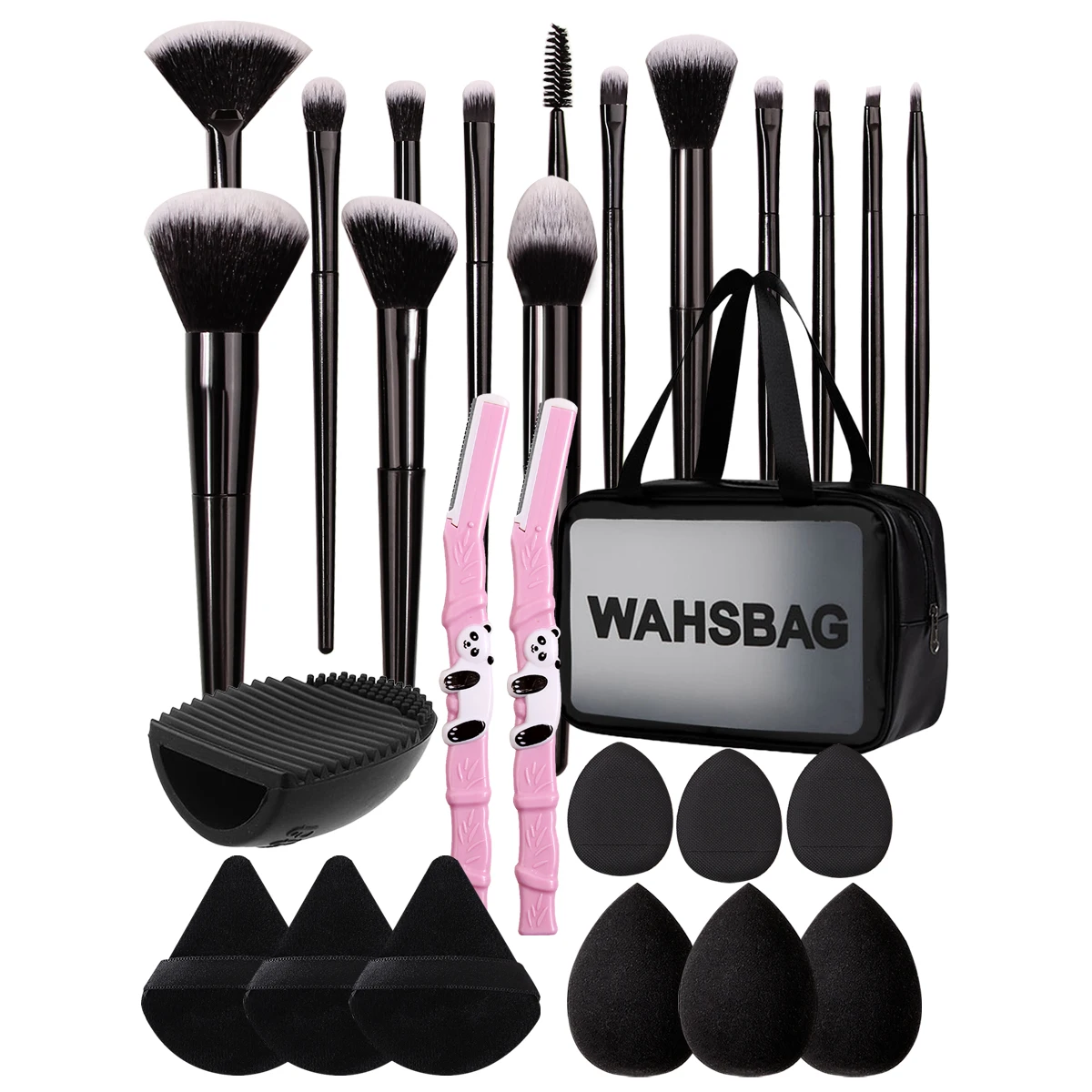

Browse makeup essentials on Amazon
Mineral foundations, brushes and makeup primers, as an Amazon category search. We have not tested individual products.