Why dirty brushes trigger breakouts, and what the FDA says
Makeup brushes don’t just collect pigment; they accumulate dead skin cells, sebum, and environmental pollutants, each a potential acne trigger. The U.S. Food and Drug Administration classifies brushes as "cosmetic tools," meaning they’re not subject to pre-market testing, but improper hygiene falls under the agency’s oversight for contamination risks. Oil-based foundations and cream products degrade into comedogenic byproducts when left to fester in bristles, creating a biofilm that feeds acne-causing Cutibacterium acnes (formerly P. acnes).
The Cleveland Clinic notes that unclean brushes can harbor bacteria at levels exceeding those found on toilet seats, hardly the ideal surface for facial application. The key isn’t just frequency of cleaning; it’s the method. Water alone won’t dissolve silicone-based primers or mineral-heavy powders. Mechanical friction from improper drying can also fray synthetic fibers, turning once-precise tools into abrasive irritants.
Step-by-step: The evidence-based brush-cleaning protocol
1. Pre-cleanse with a silicone solvent (not water)
Start by wiping excess product off bristles with a lint-free cloth or silicone pad. For oil-based formulas, a 50/50 mix of dimethicone and cyclomethicone (common in makeup removers) breaks down silicones without stripping natural lipids. Water-based cleansers work for powders but fail against long-wear liquids, which polymerize into a rubbery residue. WebMD warns that skipping this step leaves surfactant-resistant films that trap bacteria.
2. Deep-clean with a pH-balanced surfactant
Use a dedicated brush cleanser with a pH between 5.5 and 6.5, mimicking the skin’s acid mantle. Sodium laureth sulfate (SLES) is gentler than sodium lauryl sulfate (SLS) but still effective at micelle formation to lift oils. Avoid bar soaps; their high pH (8–10) disrupts the stratum corneum barrier, increasing transepidermal water loss. For sensitive skin, opt for cocamidopropyl betaine, a milder amphoteric surfactant derived from coconut oil.
Scrub bristles in a circular motion against a textured surface (like a silicone cleaning mat) for 30 seconds. Rinse under lukewarm water, hot water denatures keratin in natural hair fibers, causing split ends.
3. Disinfect without alcohol or bleach
After cleaning, immerse brushes in 70% isopropyl alcohol for 1 minute to reduce bacterial load. Skip ethyl alcohol; it evaporates too quickly to achieve full disinfection. For fungal concerns (common in humid climates), a 1% povidone-iodine solution works but must be rinsed thoroughly to avoid iodine staining. Air-dry flat on a clean towel, hanging brushes upside down wicks water into the ferrule, promoting mold growth.
The myth of "once-a-week" cleaning
Social media’s "weekly clean" advice ignores the biology of biofilm formation. Bacterial colonies such as S. aureus multiply rapidly on brushes exposed to oily skin, roughly doubling every couple of days. Even brushes used solely for powders accumulate corneocytes within 72 hours, creating a gritty texture that abrades skin. The Cleveland Clinic recommends daily cleaning for brushes used with liquid or cream products, and every 3–4 days for powders.
Influencers pushing "quick spritz" sprays often contain benzalkonium chloride, a quaternary ammonium compound that leaves a cationic residue. This residue can bind to anionic surfactants in cleansers, reducing their efficacy. Stick to mechanical cleaning for acne-prone skin.
Drying and storage: Where most people fail
Humidity is the enemy of brush longevity. Store dry brushes in a well-ventilated container, never in a closed drawer where moisture lingers. Silicone drying racks elevate bristles, preventing capillary action from pulling water into the ferrule. For travel, use a breathable mesh pouch to allow airflow.
Synthetic brushes dry faster than natural hair but require more frequent replacement (every 6–12 months vs. 2–3 years for high-quality sable). Signs of wear include frayed tips, loss of snap, or bristles that no longer hold shape, all of which increase skin irritation.
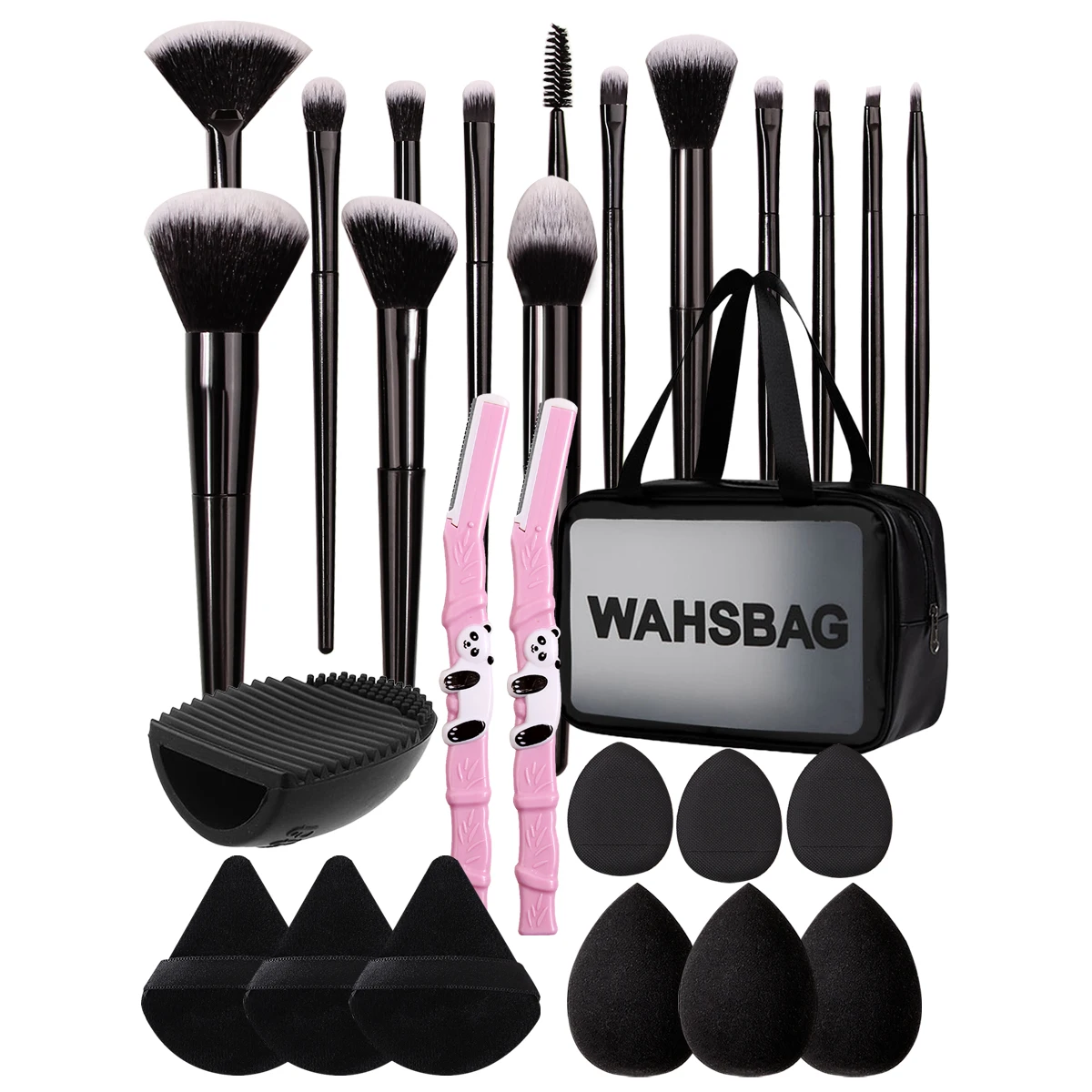
Recommended Makeup Tools

FAQ: Brush hygiene decoded
Can I use shampoo to clean my brushes?
Only if it’s a sulfate-free, pH-balanced formula. Pantene or Dove contain SLS, which can leave a residue that clogs pores. Baby shampoo is a safer alternative due to its mild surfactants, but it lacks the disinfecting power of dedicated brush cleaners.
How often should I replace brushes?
Replace powder brushes every 12–18 months; foundation brushes every 6–12 months. The bristles degrade faster with daily use, and even with perfect hygiene, natural oils degrade synthetic fibers over time. A simple tug test: if bristles pull out easily, it’s time for a new brush.
Do makeup sponges need the same cleaning routine?
Absolutely. Sponges absorb more product and harbor bacteria at higher densities than brushes. Use a mild soap and a silicone sponge cleaner weekly, then microwave damp sponges for 10 seconds to kill microbes. Replace sponges every 4–6 weeks.
What’s the best brush material for acne-prone skin?
Synthetic fibers (nylon, taklon) are non-porous, resisting bacterial absorption better than natural hair. They also dry faster and are easier to clean. Avoid goat hair or squirrel hair brushes, which trap oils in their porous structure.
Where That Leaves You
- Clean brushes daily if used with liquids/creams; every 3–4 days for powders.
- Use a pH-balanced surfactant (5.5–6.5) and mechanical scrubbing for 30 seconds.
- Disinfect with 70% isopropyl alcohol for 1 minute, then air-dry flat.
- Store brushes in a ventilated container; replace synthetic brushes every 6–12 months.
- Skip "quick spritz" sprays, they leave residue that binds to cleansers.
How this article was made
Researched and drafted with AI assistance, then screened by automated checks for originality, exaggerated claims and structure before publishing. No clinician reviewed it, and it is general information rather than medical advice. Read more at About us, or write to us if you spot an error.
Advertising disclosure: the links below are affiliate links. We may earn a commission if you use them, at no extra cost to you. This does not change the article's content, and it is not a medical recommendation.
Browse makeup essentials on Amazon
Mineral foundations, brushes and makeup primers, as an Amazon category search. We have not tested individual products.