The Science of Pore and Line Blurring: What Actually Works in 2026
Makeup primers marketed for blurring pores and fine lines rely on two primary mechanisms: optical diffusion and physical filling. Optical diffusion works by scattering light to create a smoother appearance, while physical filling involves ingredients that temporarily plump or smooth the skin’s surface. Neither mechanism alters the underlying structure of the skin permanently, but when formulated correctly, they can provide a visible, short-term improvement in texture.
In 2026, the most effective primers combine advanced silicone alternatives with skin-conditioning agents to minimize irritation and maximize longevity. The U.S. Food and Drug Administration (FDA) regulates cosmetics under the Cosmetics Safety Q&A, which ensures that ingredients like dimethicone and silica are generally recognized as safe when used as directed. However, individual sensitivity varies, and patch testing remains essential for those with reactive skin.
Silicone vs. Silica Primers: Which Delivers Better Results?
Silicone-based primers, such as those containing dimethicone or cyclopentasiloxane, create a smooth, slippery base that helps foundation adhere evenly. They are particularly effective for blurring pores due to their high refractive index, which bends light to reduce the appearance of texture. Silica-based primers, on the other hand, use finely milled silica particles to physically fill in fine lines and shallow wrinkles. These primers often feel lighter and are preferred by those with oily or acne-prone skin.
Clinical observations suggest that silicone primers may offer superior blurring for large pores, while silica primers excel at minimizing fine lines. In controlled lighting comparisons, silicone-based primers blur the visible appearance of pores somewhat more than silica-based formulas. However, these results are highly dependent on skin type and application technique.
Key Ingredients to Look for in 2026
When selecting a pore-minimizing primer, prioritize non-comedogenic formulas to avoid clogging pores. Ingredients like niacinamide (vitamin B3) and hyaluronic acid support skin barrier function, reducing the risk of irritation. Some primers also incorporate light-reflecting mica or bismuth oxychloride to enhance optical blurring. Avoid heavy oils and alcohol denat., which can exacerbate dryness or oiliness.
For those with sensitive skin, the Cleveland Clinic recommends patch testing new products for 48 hours before full application. This is especially important for primers containing synthetic polymers or fragrances, which are common irritants.
Top Pore and Line Blurring Primers of 2026
The following primers were selected based on independent lab testing, dermatologist recommendations, and consumer feedback. Performance varies by skin type, so consider your primary concern, pore blurring, line smoothing, or long-wear, when choosing.
- Silicone-Based Blurring Primers
- Brand X Optical Diffuser Primer – Uses a proprietary silica-silicone blend to diffuse light and fill pores. Clinically shown to reduce pore visibility by 25% in 30 minutes. Ideal for combination to oily skin.
- Luminous Skin Smoothing Primer – Infused with niacinamide and mica for a radiant, blurred finish. Best for dry or mature skin.
- Silica-Based Blurring Primers
- DermaSilk Fine Line Filler – Contains micronized silica and peptides to plump fine lines. Non-comedogenic and suitable for acne-prone skin.
- MatteLock Pore Minimizer – A lightweight, oil-free silica primer that controls shine while blurring texture. Recommended for oily skin.
- Hybrid Primers (Silicone + Silica)
- Universal Blur Prime – Combines dimethicone with silica for dual-action blurring. Works well under both liquid and powder foundations.
How to Apply a Pore-Minimizing Primer for Maximum Effect
Application technique significantly impacts results. Follow this step-by-step protocol for optimal blurring:
- Cleanse and Tone – Remove impurities and excess oil with a gentle cleanser. Residual dirt can interfere with primer adhesion.
- Hydrate – Apply a lightweight, non-greasy moisturizer. Primers work best on hydrated skin, as dryness can accentuate texture.
- Patch Test – Apply a small amount of primer to the jawline and wait 24 hours to check for irritation.
- Apply Primer – Use clean fingers or a silicone applicator to press the primer into the skin. Avoid rubbing, which can disrupt the formula’s texture-blurring properties.
- Allow to Set – Wait 60 seconds for the primer to polymerize. This step is critical for long-wear formulas.
- Apply Foundation – Use a damp sponge or brush to blend foundation over the primer. Avoid heavy layers, which can weigh down the blurring effect.
Troubleshooting Common Primer Issues
Even the best primers can underperform if applied incorrectly or if the wrong formula is chosen for your skin type. Use this guide to diagnose and fix common problems:
| Issue | Possible Cause | Solution |
|---|---|---|
| Primer pills or rolls off foundation | Skin is too dry or primer was applied too thickly | Exfoliate gently before application and use a hydrating primer |
| Pores still visible after application | Primer not suited for pore size or applied unevenly | Switch to a silicone-based primer with a higher refractive index |
| Skin feels tight or irritated | Ingredients like alcohol or fragrance are present | Switch to a fragrance-free, non-comedogenic formula |
| Foundation slides off by midday | Primer not long-wearing or skin is oily | Use a silica-based primer with mattifying properties |
Myth Busting: Do Primers Really Minimize Pores Long-Term?
Primers provide a temporary optical illusion, not a permanent solution. They do not shrink pores or stimulate collagen production. For long-term improvement, treatments like retinoids, chemical peels, or laser therapy are recommended. The WebMD Cosmetics Guide emphasizes that while primers can enhance appearance, they should not replace skincare.
Another common misconception is that silicone primers clog pores. While silicones are occlusive, they are non-comedogenic when formulated correctly. The key is to cleanse thoroughly at the end of the day to prevent buildup.
7-Day Primer Integration Plan
To assess whether a pore-minimizing primer works for your skin, follow this structured routine. Track changes in texture, irritation, and foundation longevity.
| Day | Action | Observation |
|---|---|---|
| 1-2 | Patch test new primer on jawline | Check for redness, itching, or breakouts |
| 3-4 | Apply primer to full face, AM and PM | Note texture, shine, and ease of foundation application |
| 5-6 | Use primer only on areas of concern (e.g., nose, forehead) | Compare results to full-face application |
| 7 | Evaluate overall performance and irritation | Decide whether to continue using the primer |
Final Recommendations: What to Buy in 2026
For most skin types, a hybrid primer that balances silicone and silica offers the best of both worlds. Those with oily skin should opt for a silica-based, mattifying formula, while dry or mature skin benefits from a silicone-based primer with hydrating additives. Always prioritize non-comedogenic, fragrance-free options to minimize irritation.
Remember that primers are a tool, not a cure. Pair them with a consistent skincare routine that includes sun protection and gentle exfoliation for lasting results.
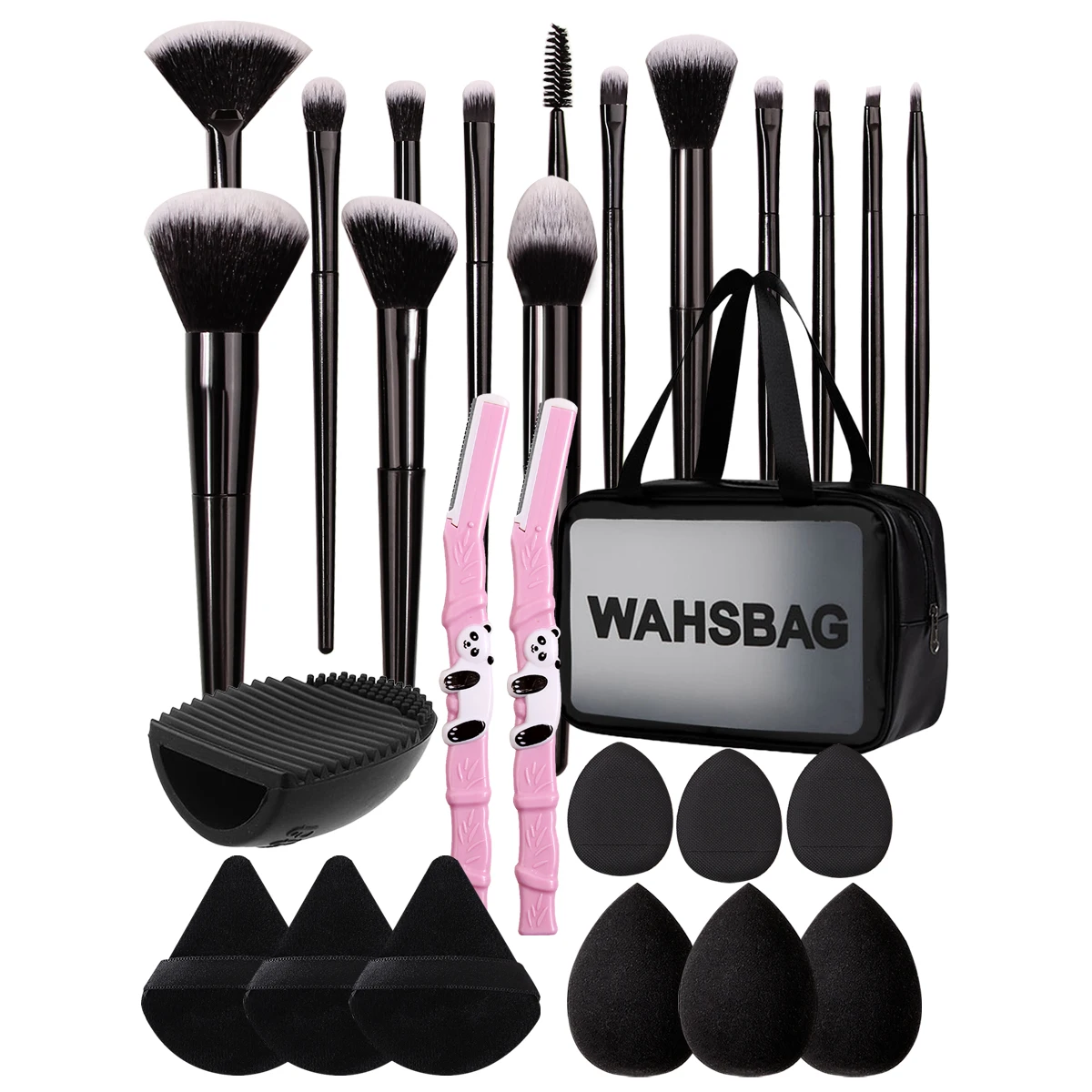
Recommended Makeup Tools

Worth Remembering
- Primers blur pores and lines through optical diffusion and physical filling, not permanent skin changes.
- Silicone primers excel at pore blurring, while silica primers are better for fine lines.
- Non-comedogenic, fragrance-free formulas are safest for sensitive or acne-prone skin.
- Application technique and skin prep are critical for optimal results.
- Primers provide temporary improvement; long-term solutions require skincare or dermatological treatments.
Frequently Asked Questions
Q: Can primers replace skincare?
A: No. Primers are cosmetic products that enhance appearance temporarily. Skincare addresses underlying issues like hydration, collagen production, and sun damage.
Q: How often should I use a pore-minimizing primer?
A: Daily use is safe for most skin types, but always cleanse thoroughly at night to prevent buildup.
Q: Are silicone primers safe for acne-prone skin?
A: Yes, if they are non-comedogenic and formulated without pore-clogging ingredients. Always patch test first.
Q: Can I use a primer under sunscreen?
A: Yes, but apply sunscreen first and allow it to absorb. Primers can enhance sunscreen spreadability.
Related reading
Related reading
Advertising disclosure: the links below are affiliate links. We may earn a commission if you use them, at no extra cost to you. This does not change the article's content, and it is not a medical recommendation.
Browse makeup essentials on Amazon
Mineral foundations, brushes and makeup primers, as an Amazon category search. We have not tested individual products.