Why portion control feels harder than it should
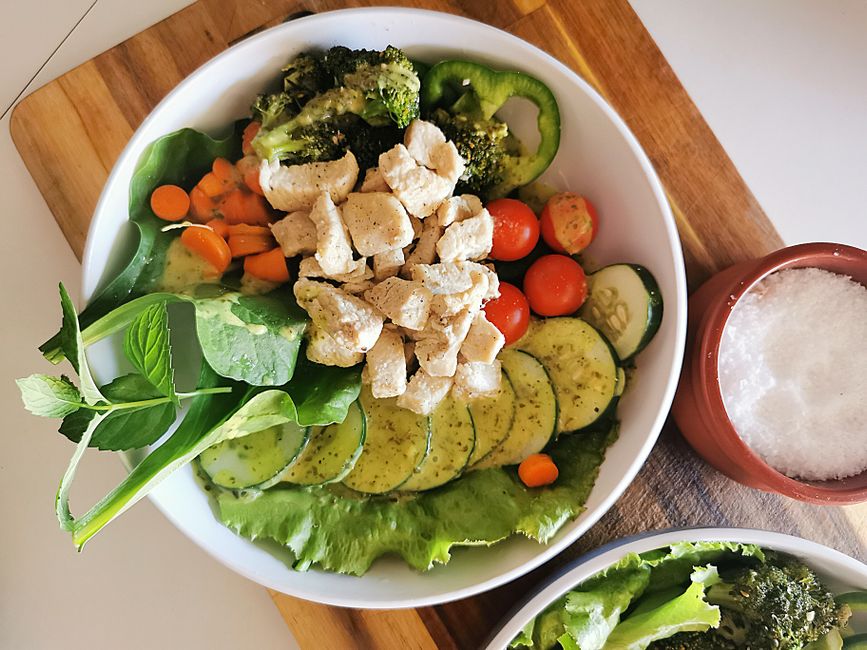
I've had clients come in after "doing everything right" — eating salads, chicken breasts, and steamed veggies — only to step on the scale and see no change. When we dug deeper, it wasn't the food choices that were the problem. It was the portions. Not just how much they were eating, but how they were measuring it. Most people think they're eating a single serving of rice, but it's really two or three. That's an extra 200-300 calories a day, which adds up to over 20 pounds a year if it keeps happening.
Here's the thing: you don't need to weigh every meal or track every calorie to get this right. You just need to know what a real portion looks like — and how to eyeball it without a food scale. I'll show you how.
Your hand is your best measuring tool
No, seriously. Your palm, fist, cupped hand, and thumb can tell you exactly how much you should be eating. It's not perfect, but it's close enough — and way more practical than carrying measuring cups to dinner. Here's the breakdown:
- Protein (chicken, fish, beef, tofu): Your palm is about 3-4 ounces cooked. That's one serving. Two palms? You're eating double what you need.
- Carbs (rice, pasta, potatoes): Your cupped hand is about ½ cup cooked. That's one serving. If you're piling it high like a restaurant portion, you're likely eating 2-3 servings.
- Veggies (broccoli, spinach, carrots): Your fist is about 1 cup raw or ½ cup cooked. Most people don't eat enough of these, but if you're stuffing your plate, you're probably overdoing it on the calorie-dense stuff.
- Fats (oils, nuts, cheese): Your thumb is about 1 tablespoon for oils or 1 oz for cheese. That's one serving. If you're dousing your food in olive oil or snacking straight from the bag of almonds, you're likely eating 3-4 servings without realizing it.
I used to think I was eating "just a handful" of nuts until I measured them. Turns out, my "handful" was actually ¼ cup — about 200 calories more than I thought. That's why I switched to using a small ramekin for snacks. It forces me to portion it out instead of eating straight from the bag.
How to eat out without blowing your portions
Restaurant portions are designed to make you feel like you're getting your money's worth. But they're also designed to make you overeat. Here's how to fight back:
- Ask for half to-go upfront. Most places will do this without question. If they don't, split your meal with someone else before it even hits the table.
- Use the plate method. Mentally divide your plate into quarters: ½ veggies, ¼ protein, ¼ carbs. Skip the bread basket entirely — it's just empty calories that'll make you hungrier by the time your meal arrives.
- Eat slowly and stop at 80%. It takes about 20 minutes for your brain to register fullness. If you're still hungry after that, have a small side salad or broth-based soup to fill the gap.
I took a client to a steakhouse once, and he ordered a 16-ounce ribeye with a loaded baked potato and garlic bread. I asked him to box half the steak before it even arrived. He lost 15 pounds in two months just by cutting his portions in half at restaurants. The crazy part? He didn't feel deprived at all.
The one trick that fixes mindless eating
Mindless eating is the silent killer of portion control. You're watching TV, scrolling on your phone, or working at your desk, and suddenly half the bag of chips is gone. Here's how to stop it:
- Pre-portion your snacks. Buy single-serve packs or portion out your snacks into small containers or bags right when you get home. If it's not in the bag, you won't eat it mindlessly.
- Use smaller plates. A study from Cornell found that people eat up to 22% more when using larger plates. Swap your dinner plate for a salad plate, and you'll naturally eat less without thinking about it.
- Drink water before meals. Sometimes thirst masquerades as hunger. Drink a glass of water 10 minutes before you eat, and you'll eat less without even trying. Drink Your Way Slim: How Water Boosts Weight Loss Naturally has more on this.
I'll admit it — I used to eat a whole sleeve of crackers while watching *The Office* reruns. Then I started putting my snacks in a small bowl instead of eating from the box. Suddenly, I was eating half as much without even noticing. Small changes add up.
When portion control backfires (and what to do instead)
Here's the thing: portion control isn't about restriction. It's about awareness. But if you're constantly stressing over every bite, you're doing it wrong. Here's how to keep it balanced:
- Don't skip meals to "save calories." Starving yourself leads to binge eating later. Eat balanced meals every 3-4 hours to keep your hunger in check.
- Prioritize protein and fiber. These keep you full longer, so you're less likely to overeat later. Aim for at least 20-30g of protein per meal and 5-10g of fiber.
- Allow for flexibility. If you want a cookie, eat the cookie. Just don't eat the whole sleeve. Deprivation leads to rebound overeating.
I had a client who was so strict with her portions that she'd skip lunch to "save room" for dinner out with friends. By the time dinner came, she was starving and ate twice as much as she intended. We adjusted her plan to include a protein-packed snack mid-afternoon, and suddenly she wasn't overeating at dinner anymore.
FAQ: Portion control questions I get all the time
"I'm eating the same foods but not losing weight. Could it be my portions?"
Absolutely. Even "healthy" foods can pack on pounds if you're eating too much of them. Avocados, nuts, and nut butters are great, but they're calorie-dense. Stick to the serving sizes I mentioned earlier, and you'll see a difference.
"How do I stop eating when I'm full but still have food on my plate?"
Leave it. It's okay to waste food. Your health isn't worth finishing a meal just because you paid for it. If you're at a restaurant, ask for a to-go box immediately and pack half your meal up before you start eating.
"Is it okay to eat until I'm 80% full? How do I know when that is?"
Yes, it's more than okay — it's ideal. Eat slowly, put your fork down between bites, and check in with your hunger levels every 5-10 minutes. You should feel satisfied but not stuffed. It takes practice, but your body will thank you.
Key takeaways
- Use your hand as a guide for portion sizes — no food scale needed.
- Restaurant portions are often 2-3x what they should be. Box half upfront.
- Pre-portion snacks and use smaller plates to avoid mindless eating.
- Don't skip meals or restrict too much — balance is key.
- Even healthy foods can lead to weight gain if portions are off.
Portion control isn't about perfection. It's about progress. Small tweaks lead to big results over time. Start with one or two of these strategies, master them, then add more. You've got this.
Scientific References & Authority Sources
Recommended Health & Fitness Gear