Table of Contents
- Why I started meal prepping (and why you might need to too)
- How meal prep fixed my biggest eating mistakes
- My go-to meal prep formulas (no recipes needed)
- How to start meal prepping without losing your mind
- What I wish I knew before I started
- FAQs about meal prepping
- Key takeaways
- Scientific References & Authority Sources
Why I started meal prepping (and why you might need to too)
Three years ago, I thought I was eating healthy. Salads with grilled chicken, Greek yogurt with berries, hummus and veggies for lunch. Sound familiar? But by 3 PM every day, I’d be raiding the office vending machine for a candy bar. Not because I was hungry, but because my blood sugar was crashing, and my brain was screaming for quick energy.
Then I tried meal prepping. Not the fancy Instagram kind with perfectly portioned containers and rainbow-colored ingredients—just basic, real food I could grab and go. Within a week, my cravings vanished. My energy stabilized. And I stopped wasting money on takeout because I was too tired to cook after work. Turns out, the secret wasn’t just eating healthy—it was eating *strategically*.
What meal prepping actually looks like in my kitchen
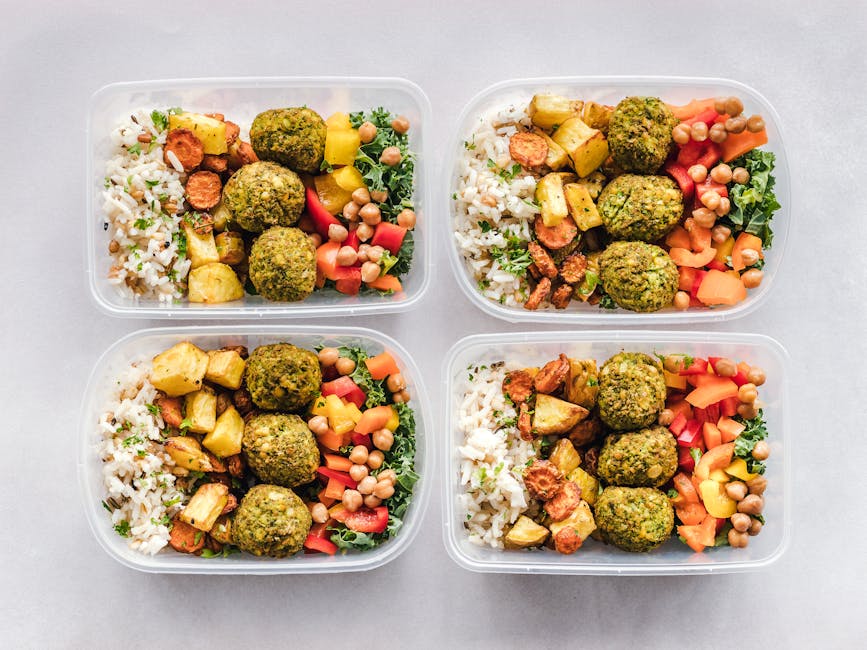
I’m not a chef. I don’t have time for elaborate recipes or Instagram-worthy plating. My meal prep is simple, repetitive, and boring—exactly the way I like it. Here’s what a typical week looks like for me:
- Breakfasts: Overnight oats with chia seeds, almond butter, and frozen berries. I make a big batch on Sunday and portion it into jars. Costs about $1.50 per serving, and it keeps me full until lunch.
- Lunches: Mason jar salads. I layer dressing at the bottom, then sturdy veggies (cucumbers, bell peppers), protein (grilled chicken or chickpeas), and greens on top. When I’m ready to eat, I shake it up. No soggy lettuce, no wasted ingredients.
- Dinners: Sheet pan meals. I toss chicken thighs, sweet potatoes, and broccoli with olive oil and spices, roast at 400°F for 25 minutes, and portion into containers. It’s not gourmet, but it’s foolproof.
- Snacks: Hard-boiled eggs, cottage cheese with pineapple, or a handful of almonds. Nothing fancy, but it keeps me from hitting the drive-thru.
How meal prep fixed my biggest eating mistakes
Before meal prepping, my biggest problem was decision fatigue. Every night, I’d stand in front of the fridge, staring at leftovers that looked sad, or ingredients that needed to be used up. So I’d order pizza. Again.
Meal prepping forced me to make decisions once—on Sunday—and stick to them. No more last-minute takeout runs. No more wasting food because it spoiled before I could eat it. And most importantly, no more hangry meltdowns at 4 PM because I hadn’t eaten since noon.
I also realized I was eating way more processed snacks than I thought. Those “healthy” granola bars? Packed with sugar. The trail mix I bought at the store? Loaded with additives. When I started prepping my own food, I could control exactly what went into my meals—and that made a huge difference in how I felt.
The one rule that saved me from myself
I used to think meal prep meant cooking every single meal in advance. That’s a great way to burn out fast. Instead, I follow the “prep-as-you-go” method:
- Sunday: Cook proteins (chicken, ground turkey, tofu) and grains (quinoa, brown rice) for the week.
- Wednesday: Chop veggies and make a big batch of soup or chili. This keeps things fresh and prevents boredom.
- Friday: Toss anything that’s about to spoil into a stir-fry or frittata. Waste not, want not.
This way, I’m not stuck eating the same thing every day, but I’m not scrambling to throw something together either. It’s the perfect balance.
My go-to meal prep formulas (no recipes needed)
You don’t need a cookbook to meal prep. Just memorize a few simple formulas, and you can throw together healthy meals in minutes. Here are my favorites:
Breakfast: The 5-minute power bowl
- Base: Greek yogurt or cottage cheese
- Protein: Hard-boiled egg or a scoop of protein powder
- Healthy fat: Nut butter or a handful of walnuts
- Fiber: Chia seeds or flaxseeds
- Sweetness: Fresh fruit or a drizzle of honey
Mix it all together, and you’ve got a meal that’ll keep you full for hours. I make these the night before so I can grab and go in the morning.
Lunch: The Mason jar salad hack
- Bottom layer: 1-2 tbsp dressing (olive oil and balsamic is my go-to)
- Middle layer: Sturdy veggies (cucumbers, bell peppers, carrots)
- Top layer: Protein (grilled chicken, chickpeas, or tofu)
- Final layer: Greens (spinach, kale, or mixed greens)
When you’re ready to eat, just shake it up. No soggy lettuce, no wasted ingredients. I’ve saved so much money by not throwing out wilted greens.
Dinner: The sheet pan dinner
- Protein: Chicken thighs, salmon, or tofu
- Veggies: Sweet potatoes, broccoli, Brussels sprouts, or zucchini
- Fat: Olive oil, avocado oil, or tahini drizzle
- Seasoning: Salt, pepper, garlic powder, and paprika
Toss everything on a sheet pan, roast at 400°F for 20-25 minutes, and portion into containers. It’s idiot-proof, and it reheats beautifully.
How to start meal prepping without losing your mind
If you’ve never meal prepped before, the idea of cooking for a whole week can feel overwhelming. Here’s how I eased into it:
Start small
Don’t try to prep every meal right away. Pick one meal to focus on—breakfast or lunch—and go from there. I started with just lunches because that’s when I was most likely to grab takeout.
Use what you have
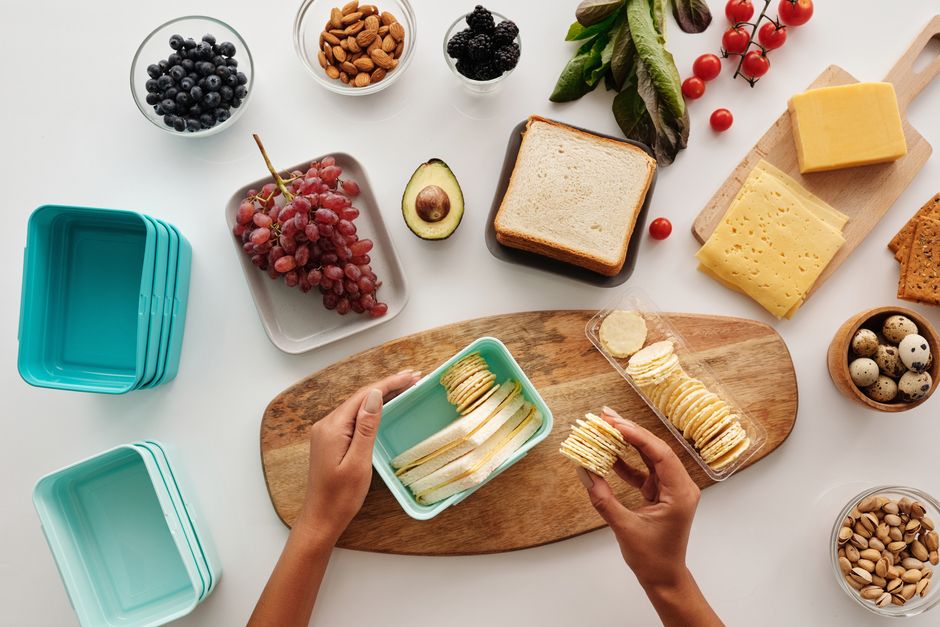
You don’t need to buy a bunch of new containers or gadgets. Use what’s already in your kitchen. Mason jars work great for salads. Tupperware is fine for leftovers. And if you don’t have a slow cooker, just use a pot on the stove.
Keep it simple
Your meals don’t need to be fancy. The goal is to eat real food, not to impress your Instagram followers. If you burn the chicken or overcook the rice, it’s okay. You’ll still be eating better than takeout.
Make it a habit
I meal prep every Sunday, but I also do a quick “mini prep” on Wednesday to refresh things. Find a rhythm that works for you. Maybe it’s Sunday and Thursday, or just Sunday every other week. The key is consistency.
What I wish I knew before I started
Looking back, there are a few things I wish I’d known:
- Freezing is your friend. I used to think freezing meals ruined the texture, but it’s perfect for soups, chili, and even cooked grains. Now I always have a backup in the freezer.
- Variety matters. Eating the same thing every day gets old fast. I rotate my proteins and veggies to keep things interesting. Tofu one week, chicken the next. Broccoli, then green beans, then zucchini.
- It’s okay to order takeout sometimes. Meal prep isn’t about being perfect. It’s about making better choices most of the time. If I’m exhausted after a long week, I’ll order sushi instead of forcing myself to cook. No guilt.
FAQs about meal prepping
How long do prepped meals last in the fridge?
Most cooked meals last 3-4 days in the fridge. Soups and stews can last up to a week. If you’re prepping for longer than that, freeze portions instead. I always freeze half my batch of chili or soup just in case.
Do I need special containers for meal prep?
Not necessarily. I use regular Tupperware for most meals, but glass containers are better for reheating. Mason jars are great for salads. The key is to use something airtight to keep food fresh.
What if I don’t like cooking?
Meal prep isn’t about cooking elaborate meals. It’s about assembling simple ingredients. Buy pre-cooked proteins (rotisserie chicken, canned beans), frozen veggies, and pre-cut fruit. Throw it all together, and you’ve got a meal. No cooking required.
Key takeaways
- Meal prep isn’t about being perfect—it’s about making better choices most of the time.
- Start small. Pick one meal to focus on, and build from there.
- Keep it simple. Your meals don’t need to be fancy to be healthy.
- Use what you have. You don’t need special gadgets or containers to meal prep.
- Variety is key. Rotate your proteins and veggies to keep things interesting.
For me, meal prep wasn’t about losing weight or following a strict diet. It was about taking control of my eating habits so I could feel better, save money, and stop wasting food. And honestly? It worked.
Scientific References & Authority Sources
Medically Reviewed & Fact-Checked
This article has been reviewed and fact-checked by a Registered Dietitian (RD) to ensure compliance with evidence-based scientific guidelines and professional health standards.
Recommended Health & Fitness Gear