
Meal Prep for Weight Loss: A Science-Backed Blueprint for Sustainable Results
Weight loss is not about short-term deprivation or rigid rules. It’s about building systems that support consistent, evidence-based habits. Meal prepping is one of the most effective tools for achieving this, particularly when the focus is on nutrient density, portion control, and time efficiency. Structured meal planning can improve dietary quality and reduce impulsive food choices, which are common barriers to weight loss success.
This guide outlines a practical, research-informed approach to meal prepping for weight loss. It emphasizes flexibility, whole foods, and long-term sustainability over quick fixes. Whether you’re new to meal prepping or refining an existing routine, the strategies here are designed to integrate seamlessly into daily life.
Why Meal Prep Works for Weight Loss
Meal prepping supports weight loss by addressing three key challenges: time constraints, decision fatigue, and portion control. When meals are planned and prepared in advance, individuals are less likely to rely on convenience foods, which are often higher in calories, added sugars, and unhealthy fats. A well-designed meal prep plan also ensures a balance of macronutrients, protein, fiber, and healthy fats, which promote satiety and help regulate appetite (Harvard T.H. Chan School of Public Health, 2023).
Additionally, meal prepping reduces the mental load of daily cooking. People who plan meals are more likely to meet their nutritional goals and less likely to overeat, as they can control ingredients and portion sizes from the outset (Mayo Clinic, 2022).
Core Principles of Effective Meal Prep
Before diving into recipes or grocery lists, it’s essential to establish a foundation rooted in evidence-based nutrition. The following principles guide successful meal prepping for weight loss:
- Prioritize protein. Protein is the most satiating macronutrient, helping to reduce hunger and preserve lean muscle mass during a calorie deficit. Aim for 20–30 grams of protein per meal, sourced from lean meats, fish, eggs, legumes, or dairy.
- Include fiber-rich foods. Vegetables, whole grains, and legumes add volume to meals without excess calories. Fiber slows digestion, stabilizes blood sugar, and supports gut health.
- Balance healthy fats. Fats like avocado, nuts, seeds, and olive oil contribute to satiety and nutrient absorption. However, they are calorie-dense, so moderation is key.
- Control portions with structure, not restriction. Use visual cues, like the Harvard Healthy Eating Plate, to guide portions without rigid tracking. A balanced plate includes half vegetables, a quarter lean protein, and a quarter whole grains or starchy vegetables.
- Plan for variety. Repetition can lead to boredom and overeating. Rotate proteins, vegetables, and grains weekly to keep meals enjoyable and nutritionally diverse.
Step-by-Step Meal Prep Routine
This 90-minute weekly routine is designed for efficiency and scalability. Adjust based on your schedule, dietary preferences, and household size.
1. Design Your Meal Plan (30 minutes)
Start by selecting 3–5 meals to prep for the week. Choose recipes that share overlapping ingredients to minimize waste and simplify shopping. For example, if you’re making grilled chicken, roast extra for salads or stir-fries. Aim for a mix of hot and cold meals to accommodate different days.
Consider your schedule: busy weeknights may call for one-pot meals, while weekends allow for more elaborate dishes. Use a template like this to organize your plan:
- Monday: Baked salmon with quinoa and steamed broccoli
- Tuesday: Turkey chili with black beans and brown rice
- Wednesday: Greek yogurt parfaits with berries and granola
- Thursday: Grilled chicken wraps with hummus and mixed greens
- Friday: Lentil soup with a side of whole-grain toast
2. Grocery Shopping (45 minutes)
Create a detailed list organized by grocery store sections to save time. Focus on whole, minimally processed foods. For weight loss, prioritize:
- Lean proteins: chicken breast, turkey, eggs, tofu, Greek yogurt
- Fiber-rich carbs: quinoa, brown rice, sweet potatoes, oats
- Vegetables: spinach, broccoli, bell peppers, zucchini, carrots
- Healthy fats: avocados, nuts, seeds, olive oil
- Frozen options: berries, peas, edamame (for convenience and reduced waste)
Buy in bulk when possible to reduce cost and packaging. Pre-cut vegetables or pre-cooked grains can save time but may increase expense.
3. Prep Day (60–90 minutes)
Set aside a dedicated block of time, weekend mornings or evenings work best. Use these strategies to streamline the process:
- Batch cook proteins: Grill or bake chicken, turkey, or fish in bulk. Shred or slice for easy assembly.
- Roast vegetables: Toss a variety of vegetables in olive oil, salt, and pepper. Roast at 400°F (200°C) for 20–30 minutes until tender.
- Cook grains: Prepare quinoa, brown rice, or farro in large quantities. Store in airtight containers for up to 5 days.
- Portion snacks: Divide nuts, yogurt, or cut fruit into single servings to prevent overeating.
- Assemble meals: Store components separately to maintain freshness. Combine proteins, grains, and vegetables when ready to eat.
Use clear containers to improve visibility and reduce food waste. Label meals with dates to track freshness.
Troubleshooting Common Meal Prep Challenges
Even the best-laid plans encounter obstacles. Here’s how to address them:
1. “I don’t have time to prep every week.”
Start small. Dedicate one hour every other week to prep staples like grains, proteins, and chopped vegetables. Freeze half the batch for later use. Alternatively, use a “prep-as-you-go” approach: cook double portions at dinner and repurpose leftovers for lunch the next day.
2. “My meals get soggy or unappetizing.”
Store components separately. Keep dressings, sauces, and wet ingredients like avocado or cucumber on the side until serving. Invest in high-quality, airtight containers to maintain texture.
3. “I’m bored with my meals after a few days.”
Rotate ingredients weekly. Introduce new spices, herbs, or cooking methods to refresh flavors. For example, swap grilled chicken for lemon-herb marinated chicken or try a different grain like millet or barley.
4. “I’m not losing weight despite prepping.”
Reassess portion sizes and calorie density. Even healthy foods contribute to weight gain if portions are too large. Use a food scale initially to calibrate portions, then rely on visual cues. Track hunger and fullness cues rather than strict calorie counting.
Myth: Meal Prep Requires Perfect Planning
Contrary to popular belief, meal prepping doesn’t demand flawless execution. Flexibility is key. Life happens, plans change, cravings arise, and schedules shift. The goal is progress, not perfection.
A common misconception is that meal prepping must involve elaborate recipes or expensive ingredients. In reality, simple, repeatable meals, like overnight oats, hard-boiled eggs, or canned tuna salads, can be just as effective. The focus should be on consistency, not complexity.
Another myth is that meal prepping is only for those with advanced cooking skills. Basic techniques like baking, sautéing, or slow cooking are sufficient. Online tutorials and recipe apps can bridge knowledge gaps without requiring formal training.
7-Day Action Plan: From Planning to Plate
The following table provides a structured, week-long meal prep plan. Adjust portions based on your body size, activity level, and weight loss goals. This plan emphasizes balance, variety, and practicality.
| Day | Breakfast | Lunch | Dinner | Snack |
|---|---|---|---|---|
| Monday | Greek yogurt with berries and chia seeds | Grilled chicken salad with mixed greens and balsamic vinaigrette | Baked salmon with quinoa and roasted broccoli | Handful of almonds |
| Tuesday | Overnight oats with almond butter and banana | Turkey chili with black beans and brown rice | Lentil soup with whole-grain toast | Apple with peanut butter |
| Wednesday | Scrambled eggs with spinach and whole-grain toast | Quinoa bowl with roasted vegetables and tahini dressing | Grilled shrimp skewers with cauliflower rice | Cottage cheese with pineapple |
| Thursday | Smoothie with spinach, frozen berries, protein powder, and almond milk | Grilled chicken wrap with hummus and mixed greens | Baked cod with sweet potato mash and steamed green beans | Carrot sticks with hummus |
| Friday | Avocado toast with a poached egg | Turkey and avocado lettuce wraps | Vegetable stir-fry with tofu and brown rice | Greek yogurt with walnuts |
| Saturday | Chia pudding with mango and coconut flakes | Grilled steak salad with arugula and cherry tomatoes | Baked chicken thighs with roasted Brussels sprouts and wild rice | Handful of walnuts |
| Sunday | Omelet with mushrooms, bell peppers, and feta | Leftover lentil soup with a side salad | Grilled salmon with asparagus and quinoa | Celery sticks with almond butter |
This plan is designed to be adaptable. Swap proteins, vegetables, or grains based on dietary preferences or seasonal availability. The key is consistency in structure, not rigidity in execution.
FAQ: Meal Prep for Weight Loss
Q: How many meals should I prep at once?
A: Start with 3–5 meals for the week. As you gain confidence, increase to 5–7 meals. Prepping more than 7 days in advance can lead to texture or freshness issues.
Q: Can I meal prep if I’m vegetarian or vegan?
A: Absolutely. Focus on plant-based proteins like lentils, chickpeas, tofu, tempeh, and edamame. Pair with whole grains and vegetables for balanced meals.
Q: Do I need to weigh and measure every ingredient?
A: Initially, yes. This helps calibrate portion sizes and prevents overeating. Over time, you can rely on visual cues and experience to estimate portions accurately.
Q: What’s the best way to store prepped meals to keep them fresh?
A: Use airtight containers and refrigerate meals within 2 hours of cooking. Most prepped meals last 3–5 days in the fridge. Freeze portions for longer storage.
The Bottom Line
- Meal prepping supports weight loss by improving dietary quality, reducing impulsive eating, and simplifying portion control.
- Prioritize protein, fiber, and healthy fats to promote satiety and nutrient density.
- A 90-minute weekly prep routine, designing meals, shopping, and cooking, can streamline the process and save time.
- Flexibility is essential. Adjust portions, ingredients, and schedules to fit your lifestyle.
- Start small, focus on consistency, and build habits gradually. Sustainable weight loss is a marathon, not a sprint.
Meal prepping is not about perfection. It’s about creating a system that works for you, one that supports your health goals without adding unnecessary stress. By focusing on whole foods, balanced nutrition, and practical planning, you can transform meal prep from a chore into a powerful tool for long-term weight management.
Advertising disclosure: the links below are affiliate links. We may earn a commission if you use them, at no extra cost to you. This does not change the article's content, and it is not a medical recommendation.
Recommended Health & Fitness Gear

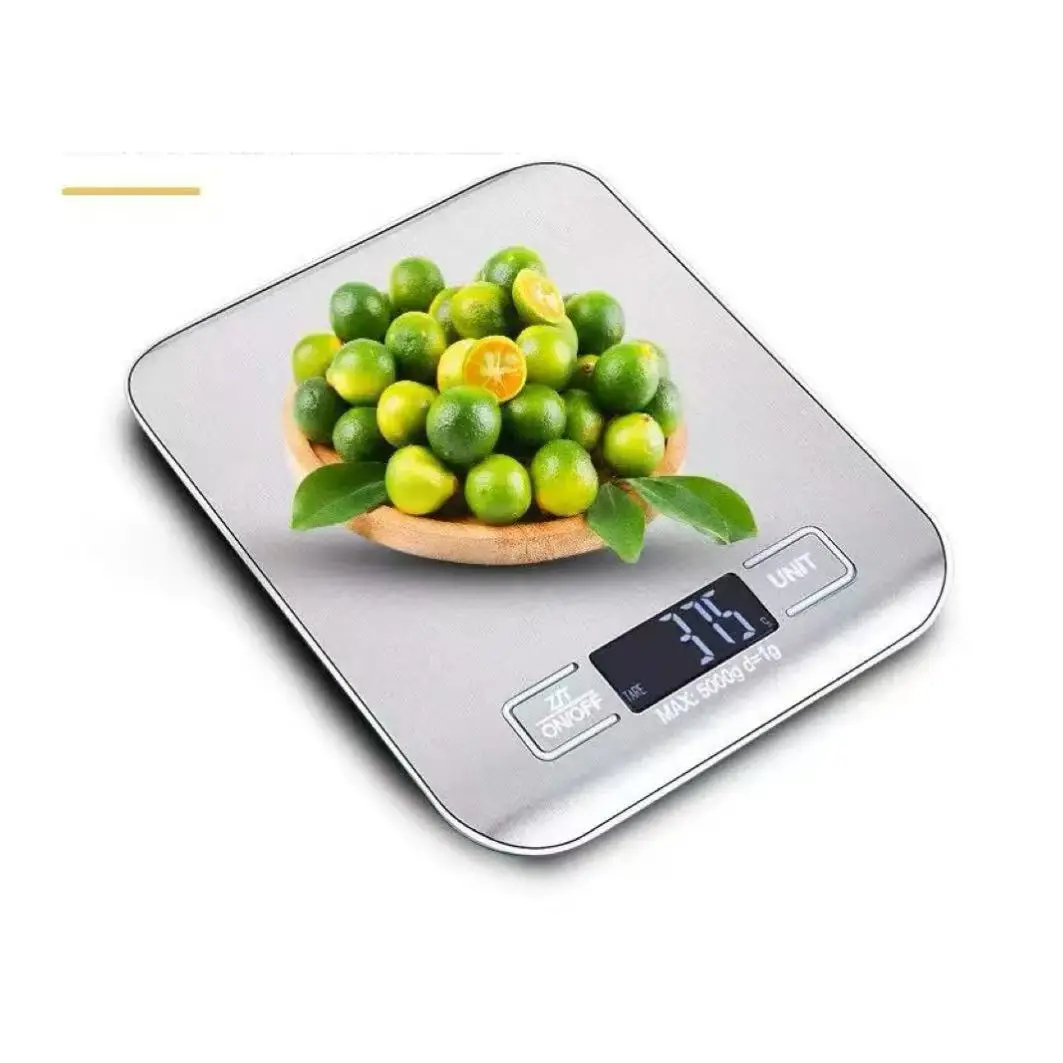


Browse kitchen and portion tools on Amazon
Food scales, portion containers and measuring sets, as an Amazon category search. We have not tested individual products.


