Why Meal Prep for Weight Loss Doesn’t Have to Feel Like a Chore
Meal prepping is often framed as a rigid, time-consuming discipline that demands perfection. In reality, it’s a flexible tool that can simplify healthy eating, stabilize energy, and support weight loss goals without sacrificing flavor or sanity. Structured meal timing and portion control can improve dietary adherence, which is critical for long-term success in weight management. The key is balancing efficiency with enjoyment, so your efforts don’t backfire into burnout or resentment.
How Meal Prep Actually Supports Metabolic Health
When done intentionally, meal prepping helps regulate appetite by stabilizing blood sugar and reducing impulsive food choices. A balanced plate, rich in fiber, lean protein, and healthy fats, slows digestion and prevents the sharp glucose spikes that trigger hunger an hour later. The Harvard Healthy Eating Plate emphasizes these proportions for optimal satiety and metabolic function. For weight loss, this structure curbs overeating by making nutritious options the path of least resistance.
Prepping also reduces decision fatigue, a common barrier to healthy eating. People who plan meals in advance consume fewer ultra-processed foods and more whole foods, which aligns with weight loss objectives.Mayo Clinic Nutrition Guide The metabolic benefit isn’t just about calories, it’s about creating an environment where healthy choices feel automatic.
Common Pitfalls That Sabotage Meal Prep (And How to Avoid Them)
Myth: Meal prep requires cooking every day
Many assume meal prepping means dedicating hours each Sunday to full-day cooking marathons. In practice, it’s about strategic batching, preparing components that can be mixed and matched throughout the week. For example, roast a tray of vegetables and cook a batch of quinoa on Sunday, then pair them with fresh proteins or pre-portioned sauces as needed. This approach minimizes waste and keeps meals varied without daily effort.
Myth: Prepped food must be bland to stay fresh
Flavor fatigue is a real deterrent to meal prep adherence. The solution isn’t to eliminate seasoning but to use techniques that preserve taste over time. Acidic ingredients like lemon juice or vinegar can brighten dishes days later, while herbs and spices add depth without compromising texture. Freezing portions of sauces or broths separately allows for easy flavor adjustments midweek.
Myth: Meal prep is only for salads and chicken breasts
Variety is essential for both nutrition and enjoyment. Rotate cuisines, Mediterranean, Asian-inspired, or Mexican, to prevent boredom. Use batch-cooked bases like brown rice, lentils, or roasted sweet potatoes as foundations for different meals. For example, a single pot of lentils can become a soup one day and a grain bowl the next. This flexibility ensures dietary diversity, which supports gut health and long-term adherence.
Step-by-Step: A No-Stress Meal Prep System for Weight Loss
Phase 1: Plan with Metabolic Efficiency in Mind
Start by defining your calorie and macronutrient targets based on your activity level and goals. Use a tool like the Harvard Healthy Eating Plate as a visual guide for portioning. Aim for:
- Protein: 20–30% of total calories to preserve lean mass and promote satiety.
- Fiber-rich carbs: 30–40% for steady energy, prioritizing vegetables, whole grains, and legumes.
- Healthy fats: 25–35% to support hormone function and fullness.
Next, select 3–4 recipes that share overlapping ingredients to minimize waste. For example, a sheet-pan chicken dish and a stir-fry can both use bell peppers and broccoli. Write a grocery list organized by grocery store sections to streamline shopping.
Phase 2: Prep in Batches Without Burning Out
Divide tasks by type and timing:
- Day 1 (Sunday): Cook proteins (e.g., grilled chicken, baked salmon) and grains (quinoa, farro). Roast vegetables in bulk and portion dressings or sauces into small containers.
- Day 2 (Wednesday): Refresh fresh components like leafy greens, herbs, or avocado to prevent sogginess. This midweek reset keeps meals appealing.
Invest in stackable, airtight containers to portion meals by calorie goals. Label each container with the date and contents to avoid guesswork. For freezer-friendly items, use silicone molds or parchment paper to prevent sticking.
Phase 3: Assemble for Flavor and Texture
Prepped ingredients should feel like building blocks, not finished dishes. Store components separately to maintain crispness and moisture. For example:
- Keep grains and proteins in one container, sauces in another.
- Add fresh herbs or citrus zest just before eating to preserve vibrancy.
Use condiments like mustard, hot sauce, or pesto to customize flavors without added calories. This approach accommodates varying hunger levels and preferences while keeping portions controlled.
Troubleshooting: When Meal Prep Goes Wrong
Problem: Meals taste dry or bland after a few days.
Solution: Store wet and dry ingredients separately. For example, pack dressings in small jars and keep them sealed until serving. Use moisture-retaining techniques like blanching vegetables before roasting or storing leafy greens with a paper towel to absorb excess water.
Problem: Portions feel too large or too small.
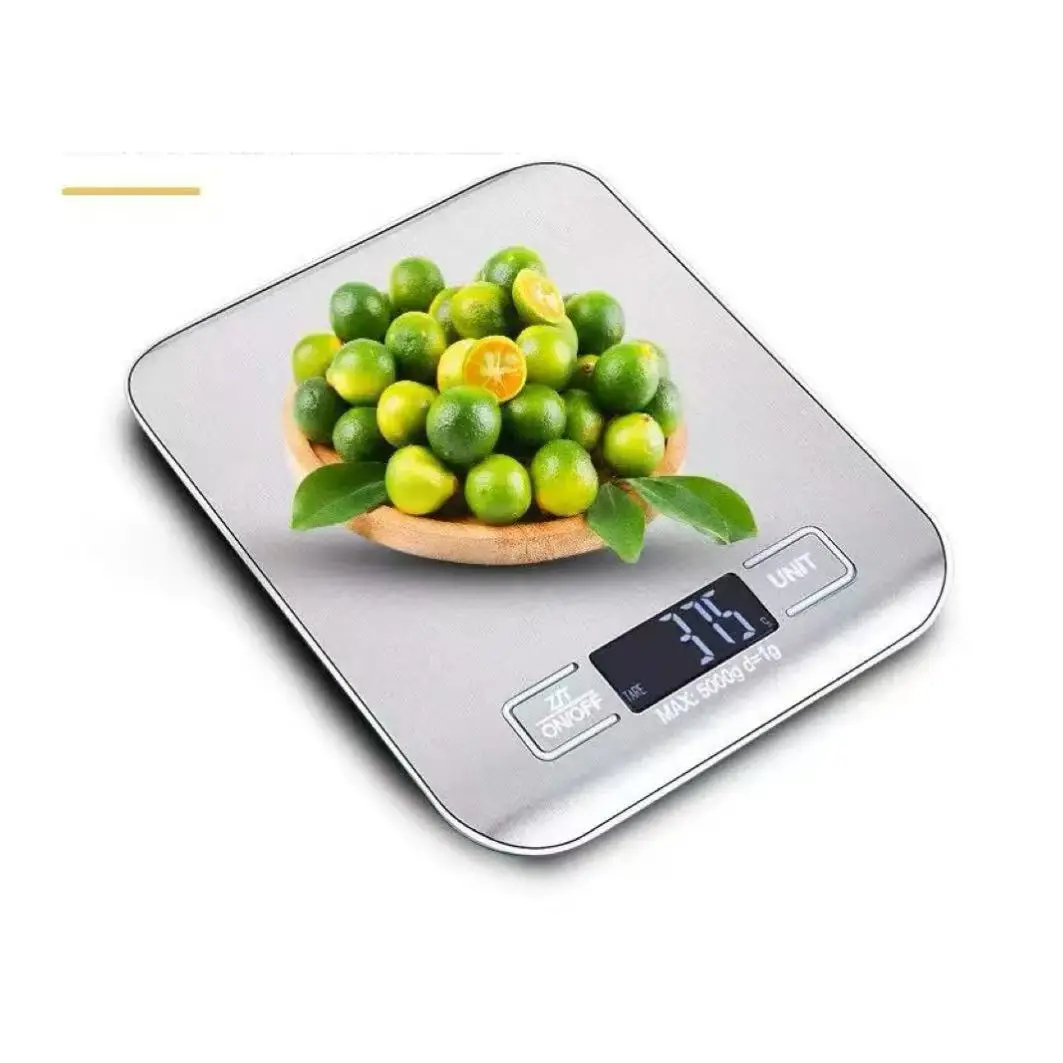
Solution: Weigh and measure ingredients during prep to ensure consistency. Adjust portions based on your hunger cues and activity level, some days may require an extra scoop of protein or an additional side of vegetables.
Problem: Prepped food spoils before the week ends.
Solution: Prioritize ingredients with longer shelf lives: frozen vegetables, canned beans, and cooked grains. For perishable items like fresh herbs or leafy greens, freeze extras in olive oil or water for future use. Rotate your fridge weekly to consume older items first.
7-Day Meal Prep Action Plan
The following table provides a flexible framework for a week of balanced, weight-loss-friendly meals. Adjust portions to your calorie needs and swap ingredients based on preferences.
| Day | Breakfast | Lunch | Dinner | Snack |
|---|---|---|---|---|
| Monday | Greek yogurt with berries and chia seeds | Grilled chicken with quinoa and roasted Brussels sprouts | Baked salmon with mashed cauliflower and steamed green beans | Handful of almonds and an apple |
| Tuesday | Overnight oats with almond butter and banana | Turkey and avocado wrap in a whole-wheat tortilla with carrot sticks | Lentil soup with a side of mixed greens and balsamic vinaigrette | Cottage cheese with cucumber slices |
| Wednesday | Scrambled eggs with spinach and whole-grain toast | Quinoa salad with chickpeas, cherry tomatoes, and lemon-tahini dressing | Stir-fried tofu with broccoli and brown rice | Hard-boiled egg and celery sticks |
| Thursday | Smoothie with spinach, frozen mango, protein powder, and almond milk | Tuna salad with whole-grain crackers and sliced bell peppers | Baked chicken thighs with roasted sweet potatoes and sautéed kale | Greek yogurt with a drizzle of honey |
| Friday | Chia pudding with coconut milk and raspberries | Black bean and corn bowl with avocado and lime | Shrimp and vegetable stir-fry with soba noodles | Handful of walnuts and pear slices |
| Saturday | Avocado toast on whole-grain bread with a poached egg | Grilled steak with arugula salad and roasted beets | Vegetable curry with chickpeas and basmati rice | Hummus with carrot and cucumber sticks |
| Sunday | Cottage cheese with pineapple and walnuts | Egg salad lettuce wraps with cherry tomatoes | Baked cod with roasted zucchini and wild rice | Apple slices with almond butter |
Weight Loss Meal Prep: What the Science Says
Meal prepping’s primary advantage for weight loss lies in its ability to reduce cognitive load around food decisions. When healthy options are readily available, people are less likely to succumb to convenience foods high in refined carbohydrates and added sugars. Research supports that meal planning is associated with improved diet quality and reduced body weight over time.
However, meal prep alone isn’t a magic bullet. It must be paired with other behaviors: adequate hydration, regular physical activity, and sufficient sleep. Stress and sleep disruption can undermine even the most meticulous meal plans by increasing cravings for hyper-palatable foods. Hydration, often overlooked, plays a role in appetite regulation, mild dehydration can mimic hunger signals, leading to unnecessary snacking.
Recommended Health & Fitness Gear



FAQ: Meal Prep for Weight Loss
Q: Can I meal prep if I don’t like leftovers?
A: Yes. Focus on prepping ingredients rather than full meals. For example, cook a batch of grilled chicken and roasted vegetables, then assemble fresh salads or wraps each day using the prepped components.
Q: How long do prepped meals stay fresh in the fridge?
A: Most cooked grains, proteins, and vegetables last 3–4 days when stored properly in airtight containers. Freeze portions for longer storage, but avoid refreezing thawed meals to maintain texture and safety.
Q: Is it okay to skip meal prep on busy weeks?
A: Absolutely. Prioritize simple strategies like batch-cooking one protein and one grain, or purchasing pre-cut vegetables and frozen proteins to assemble meals quickly. Consistency matters more than perfection.
Q: Should I weigh food before or after cooking?
A: Weigh food after cooking to account for moisture loss or absorption (e.g., rice or pasta). For raw proteins, weigh before cooking to ensure accurate portioning.
What to Remember
- Meal prepping supports weight loss by reducing decision fatigue and stabilizing blood sugar through balanced, fiber-rich meals.
- Efficiency comes from batching overlapping ingredients and storing components separately to preserve texture and flavor.
- Variety prevents boredom, rotate cuisines and use herbs, acids, and condiments to keep meals exciting.
- Flexibility is critical: adjust portions based on hunger and activity, and don’t hesitate to refresh fresh ingredients midweek.
- Pair meal prep with hydration, sleep, and stress management for optimal metabolic outcomes.
Meal prepping doesn’t have to be an all-or-nothing endeavor. Start small, refine your system over time, and prioritize enjoyment, because sustainable weight loss thrives on consistency, not perfection.
Advertising disclosure: the links below are affiliate links. We may earn a commission if you use them, at no extra cost to you. This does not change the article's content, and it is not a medical recommendation.
Browse kitchen and portion tools on Amazon
Food scales, portion containers and measuring sets, as an Amazon category search. We have not tested individual products.