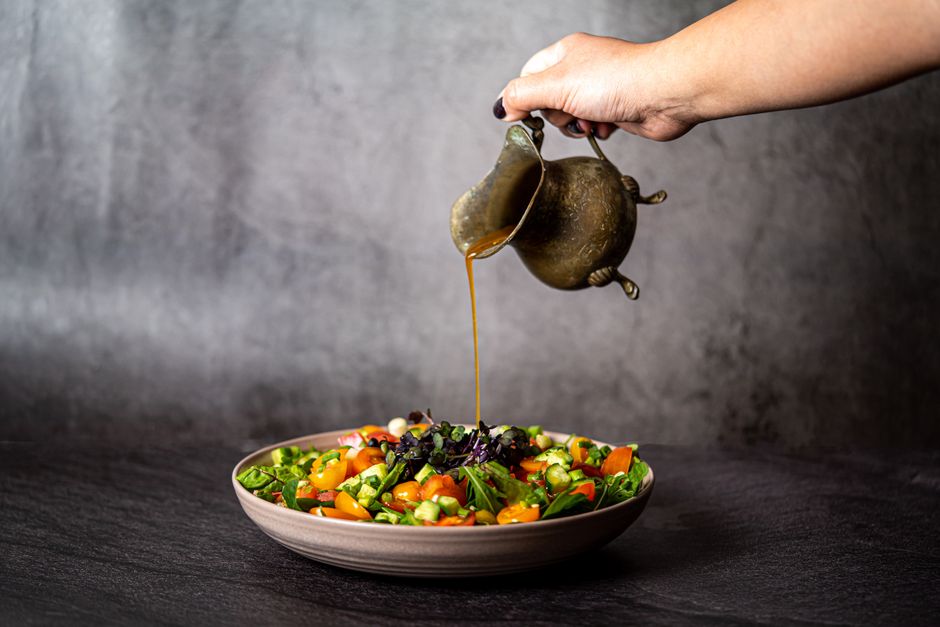
Portion Control Isn’t About Eating Less, It’s About Eating Right
Portion control is often misunderstood as a strategy for deprivation, a way to force the body into smaller servings through sheer willpower. In reality, it’s a nuanced approach to eating that prioritizes nutrient density, satiety, and the body’s natural hunger and fullness cues. Research consistently shows that the quality of food consumed matters as much as the quantity, if not more. A balanced plate that includes fiber, protein, and healthy fats can satisfy hunger with fewer calories, while ultra-processed foods with low nutritional value often leave the body seeking more, regardless of portion size.
This shift in perspective moves portion control from a restrictive tactic to a sustainable habit rooted in biology. The body responds to the composition of meals, not just their volume, and understanding this relationship can make weight management more intuitive and less stressful. Below, we explore the science behind portion control, how to apply it practically, and why it’s far more effective than simply eating less.
The Biology of Hunger: How Your Body Signals Fullness
Two key hormones play a central role in regulating appetite and satiety: ghrelin and leptin. Ghrelin, often called the "hunger hormone," is released by the stomach and signals the brain to initiate eating. Leptin, produced by fat cells, communicates satiety to the brain, helping to suppress appetite. When these hormones are out of sync, due to poor sleep, chronic stress, or imbalanced meals, the body’s natural cues can become unreliable.
Leptin resistance, where the brain fails to respond to satiety signals, is more common in individuals with obesity. This resistance can lead to overeating despite consuming adequate calories. Conversely, meals rich in protein and fiber enhance leptin sensitivity and promote fullness, making portion control more effective. The takeaway? Portion control works best when paired with foods that support hormonal balance.
Nutrient Density Over Calorie Counting
Calorie counting treats all calories as equal, but the body processes nutrients differently. A 200-calorie snack of almonds provides protein, healthy fats, and fiber, while 200 calories of soda offers only sugar and empty calories. The former stabilizes blood sugar and curbs hunger; the latter spikes insulin and leaves the body craving more soon after. Harvard’s Healthy Eating Plate emphasizes that meals should be built around vegetables, lean proteins, whole grains, and healthy fats, foods that deliver maximum nutrition per bite.
This principle aligns with the concept of volumetrics, where foods with high water content (like fruits, vegetables, and broth-based soups) fill the stomach with fewer calories. People eating a low-energy-dense diet take in fewer calories daily without consciously restricting portions. The lesson is clear: prioritize foods that nourish the body, and portion control becomes a natural byproduct of eating well.
Structuring Meals for Satiety
Portion control isn’t about guessing or restricting, it’s about designing meals that align with the body’s needs. A simple framework can help:
- Half the plate for vegetables: Non-starchy vegetables like leafy greens, broccoli, and peppers are low in calories but high in volume and fiber. They crowd out less nutritious options while keeping portions satisfying.
- One-quarter for lean protein: Protein sources like chicken, fish, beans, or tofu increase satiety by slowing digestion and reducing ghrelin levels. The Harvard Healthy Eating Plate recommends 3–6 ounces per meal, depending on individual needs.
- One-quarter for whole grains or starchy vegetables: Foods like quinoa, brown rice, or sweet potatoes provide complex carbohydrates and fiber, which stabilize energy levels and prevent overeating later.
- Healthy fats in moderation: Avocado, nuts, seeds, and olive oil add flavor and fullness but should be portioned mindfully. A thumb-sized serving of nuts or a tablespoon of oil is often enough to enhance a meal without excess calories.
This structure isn’t rigid but serves as a guide to balance macronutrients and prevent the blood sugar crashes that lead to cravings. For example, a meal of grilled salmon, roasted Brussels sprouts, and a small portion of wild rice will leave most people fuller and more energized than a larger serving of pasta with a light sauce.
Mindful Eating: The Missing Link
Portion control extends beyond what’s on the plate, it’s also about how we eat. Mindful eating involves slowing down, minimizing distractions, and paying attention to hunger and fullness cues. The Mayo Clinic notes that people who eat slowly consume fewer calories without feeling deprived. This is because it takes about 20 minutes for the brain to register satiety signals from the gut.
Practical tips for mindful eating include:
- Using smaller plates to reduce visual portion distortion.
- Chew thoroughly and put utensils down between bites.
- Avoiding screens during meals to prevent unconscious overeating.
- Stopping at 80% fullness, a concept from traditional Japanese hara hachi bu, to allow for natural satiety.
These habits recalibrate the brain’s relationship with food, making portion control feel less like a chore and more like an intuitive practice.
Debunking the Myth: "Portion Control Means Starving Yourself"
A common misconception is that portion control requires eating tiny, unsatisfying meals. In reality, it’s about eating enough of the right foods to feel full while avoiding excess. The body thrives on balance, not scarcity. For instance, people who focus on raising protein and fiber intake naturally eat less overall without strict portion limits. The key was choosing foods that satisfied hunger with fewer calories.
Another myth is that portion control is only for weight loss. In truth, it’s a lifelong tool for maintaining health. Athletes, for example, use portion control to fuel performance without unnecessary weight gain, while older adults can use it to preserve muscle mass and prevent overeating as metabolism slows. Portion control isn’t a temporary fix, it’s a sustainable habit for all stages of life.
Practical Strategies for Everyday Life
Implementing portion control doesn’t require perfection, just consistency. Start with these actionable steps:
- Pre-portion snacks: Divide nuts, popcorn, or cheese into single-serving containers to avoid mindless grazing.
- Use the "hand method" for quick estimates: A palm-sized portion of protein, a fist-sized portion of vegetables, and a cupped hand of carbohydrates can guide meals when measuring isn’t feasible.
- Cook at home more often: Restaurant portions are often 2–3 times larger than recommended serving sizes. Preparing meals at home allows for better control over ingredients and portions.
- Check labels for serving sizes: Packaged foods often list unrealistically small servings. Compare labels and adjust accordingly.
- Listen to your body’s cues: Hunger isn’t an emergency. If you’re not sure whether you’re truly hungry, wait 10–15 minutes and reassess.
These strategies work because they align with the body’s biology rather than fighting against it. Portion control becomes easier when meals are structured to satisfy, not restrict.
FAQs About Portion Control
Does portion control work for everyone, regardless of metabolism or genetics?
Portion control is a universal tool, but its effectiveness depends on individual factors like activity level, age, and metabolic health. For example, someone with a physically demanding job may need larger portions of carbohydrates for energy, while a sedentary individual might thrive on smaller, more nutrient-dense meals. The key is tailoring portions to personal needs rather than adhering to rigid rules. Genetic variations in appetite regulation (like those affecting leptin or ghrelin) can influence hunger cues, but mindful eating and nutrient-dense foods help mitigate these differences.
Can I still enjoy my favorite foods in moderation?
Absolutely. Portion control isn’t about elimination, it’s about balance. Deprivation often leads to rebound overeating, so allowing occasional treats in controlled amounts can prevent binge cycles. For example, a small piece of dark chocolate or a single cookie can satisfy a craving without derailing progress. The goal is to make these foods the exception rather than the rule, ensuring they remain enjoyable rather than a source of guilt.
How do I handle portion control when eating out?
Restaurant meals are designed for satisfaction, not health. To navigate them, start by reviewing the menu online for portion sizes and nutritional information. Consider splitting an entrée with a dining partner or boxing half the meal immediately upon arrival. Focus on protein and vegetables first, as these will curb hunger before tackling higher-calorie sides. Another tactic is to order an appetizer as a main course, as these are often closer to standard portion sizes.
Is it possible to overeat even healthy foods?
Yes. Even nutritious foods can contribute to weight gain if consumed in excess. For example, nuts are calorie-dense, and a handful can quickly add up to 200 calories. Avocados, olive oil, and whole grains are all healthy but should be portioned mindfully. The difference between a serving and an overeating episode often comes down to volume and context. A large salad with grilled chicken is satisfying, but the same ingredients blended into a smoothie might be consumed faster, leading to overconsumption.
Where That Leaves You
- Portion control is about quality, not just quantity. Prioritize nutrient-dense foods like vegetables, lean proteins, and whole grains to feel full on fewer calories.
- Hormones drive hunger and satiety. Ghrelin and leptin regulate appetite, but their effectiveness depends on meal composition and lifestyle factors like sleep and stress.
- Structure meals for balance. Use the half-plate rule for vegetables, a quarter for protein, and a quarter for whole grains to create satisfying, well-rounded meals.
- Mindful eating enhances portion control. Slow down, minimize distractions, and pay attention to hunger and fullness cues to prevent overeating.
- Portion control is sustainable. It’s not a temporary diet but a lifelong habit that adapts to individual needs and preferences.
Portion control isn’t a punishment, it’s a pathway to better health. By focusing on what the body truly needs, rather than what it craves in the moment, you can build habits that last far beyond the scale.
Advertising disclosure: the links below are affiliate links. We may earn a commission if you use them, at no extra cost to you. This does not change the article's content, and it is not a medical recommendation.
Recommended Health & Fitness Gear



Browse kitchen and portion tools on Amazon
Food scales, portion containers and measuring sets, as an Amazon category search. We have not tested individual products.