Niacinamide for Redness: Does It Really Work?
Redness is a common concern for many people with sensitive or reactive skin. Conditions such as rosacea, post‑inflammatory erythema, or simple irritation can leave the face looking flushed. While many ingredients claim to calm the skin, niacinamide (vitamin B3) has attracted attention for its reported anti‑inflammatory properties. This article examines what the research says about niacinamide for facial redness, how it works, and where it fits into a sensible skincare routine.
What is niacinamide?
Niacinamide is a water‑soluble form of vitamin B3 that the skin can absorb easily. It participates in cellular energy production and helps maintain the barrier function of the stratum corneum. By supporting ceramide synthesis, niacinamide can reduce transepidermal water loss, which in turn lessens irritation. It also influences signaling pathways that curb the production of pro‑inflammatory cytokines. Because it is stable in formulations and generally well tolerated, it appears in many over‑the‑counter serums, moisturizers, and toners aimed at sensitive skin.
How niacinamide addresses redness
Redness often stems from dilated capillaries, increased blood flow, or inflammatory mediators released in the skin. Niacinamide can modulate these processes in several ways. First, it inhibits the transfer of melanosomes, which can reduce visible blotchiness. Second, it suppresses the activation of NF‑κB, a transcription factor that drives cytokine release. Third, by strengthening the lipid barrier, it limits the entry of irritants that trigger flare‑ups. Clinical observations note that regular use leads to a perceptible decrease in flushing and a more even tone. Importantly, niacinamide does not constrict blood vessels directly; instead, it reduces the underlying stimuli that cause vasodilation.
Evidence from research
A 4% niacinamide gel applied twice daily is a commonly used strength for mild to moderate rosacea, over a course of about eight weeks. Compared with placebo, the niacinamide group showed a significant reduction in clinician‑rated erythema and self‑reported burning sensation. Another investigation highlighted by the American Academy of Dermatology notes that niacinamide improves barrier lipids and decreases sensitivity markers in reactive skin. The Cleveland Clinic skincare guide also lists niacinamide as a suitable ingredient for calming irritation when used in concentrations between 2% and 5% (Cleveland Clinic). These sources collectively support the idea that niacinamide can be a helpful adjunct for redness, though results vary by formulation and individual skin type.
Myth busting: Niacinamide can replace prescription rosacea treatments
A frequent claim is that over‑the‑counter niacinamide serums can substitute for prescription agents such as metronidazole or ivermectin. While niacinamide offers anti‑inflammatory and barrier‑supporting benefits, it does not target the Demodex mite population or the specific antimicrobial pathways addressed by those drugs. Prescription therapies often combine multiple mechanisms, including direct mite reduction and anti‑parasitic action, which niacinamide does not replicate. Therefore, niacinamide is best viewed as a complementary step, useful for maintaining barrier health and reducing mild irritation, but not a standalone replacement for medically prescribed regimens when moderate to severe rosacea is present.
How to choose and use niacinamide serum
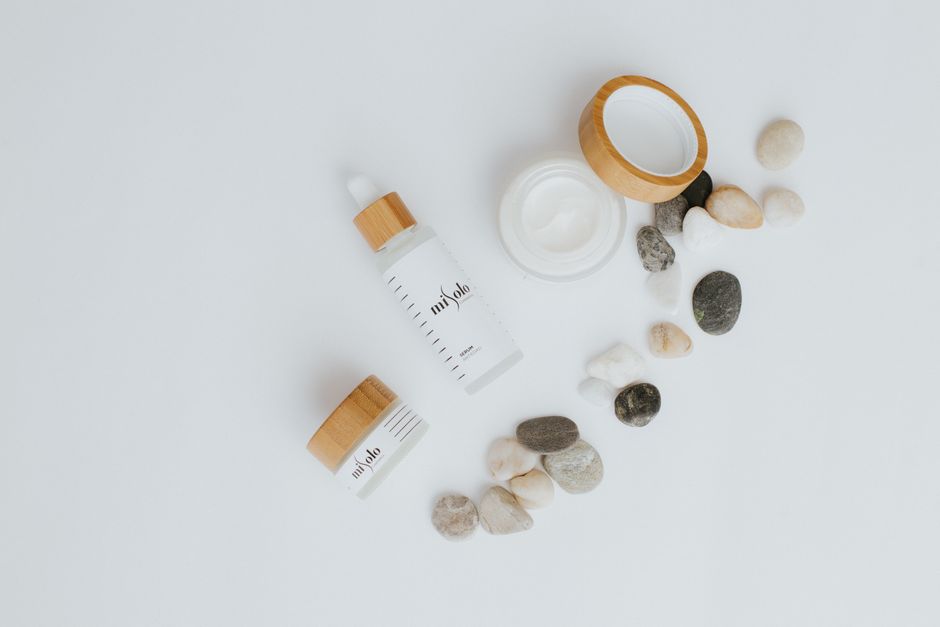
Look for products that list niacinamide within the first five ingredients and specify a concentration of 2% to 5%. Avoid formulas that combine high levels of acid (e.g., glycolic acid >10%) with niacinamide if you have very sensitive skin, as the pH shift may cause transient flushing. Apply a thin layer to clean skin once or twice daily, followed by a moisturizer to seal in hydration. If you are using other actives such as retinoids, introduce niacinamide on alternate nights initially to monitor tolerance. Patch testing behind the ear or on the inner forearm for 48 hours can help identify any unexpected irritation before full facial use.
Recommended Skin & Hair Care Picks



FAQ
Question 1: Can niacinamide cause worsening redness?
Answer: In rare cases, individuals with extreme sensitivity may experience a brief flush upon first use, often due to formulation pH or preservatives. This reaction usually subsides after a few days. If redness persists, discontinue the product and consult a dermatologist.
Question 2: How long before I see improvement in redness?
Answer: Clinical studies indicate measurable changes after four to eight weeks of consistent use. Immediate tightening or smoothing may be felt sooner, but visible reduction in erythema typically requires regular application over weeks.
Question 3: Is niacinamide safe to use with prescription rosacea medication?
Answer: Yes, niacinamide is generally compatible with topical antibiotics or anti‑inflammatory prescriptions. However, spacing applications (e.g., niacinamide in the morning, prescription at night) can minimize any potential interaction and reduce irritation risk.
Question 4: Are there any skin types that should avoid niacinamide?
Answer: Niacinamide is tolerated by most skin types, including oily, dry, and combination. Those with a known allergy to vitamin B3 derivatives should avoid it, but such allergies are extremely uncommon.
What This Means for You
- Niacinamide supports the skin barrier by boosting ceramide production, which helps limit irritant entry.
- It modulates inflammatory signaling pathways, reducing the stimuli that cause blood vessel dilation and visible redness.
- Clinical evidence shows improvement in erythema after several weeks of twice‑daily application of 2%–5% niacinamide.
- Niacinamide is not a substitute for prescription rosacea therapies that target microbes or mites; it works best as a supportive adjunct.
- Proper formulation choice, patch testing, and gradual introduction minimize the risk of irritation.
Advertising disclosure: the links below are affiliate links. We may earn a commission if you use them, at no extra cost to you. This does not change the article's content, and it is not a medical recommendation.
Browse skincare basics on Amazon
Cleansers, moisturisers and sunscreens, as an Amazon category search. We have not tested individual products.