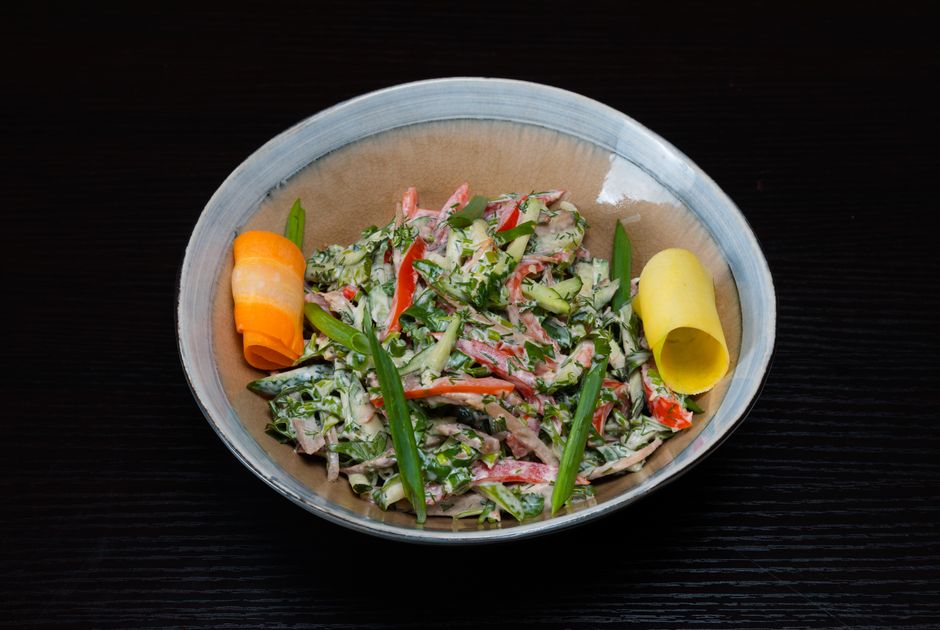
How the Mediterranean Diet Supports Sustainable Weight Loss Without Extreme Restriction
The Mediterranean diet has long been recognized for its broad health benefits, including cardiovascular protection, metabolic regulation, and longevity. Emerging research also highlights its role in weight management, particularly when compared to traditional low-fat or highly restrictive diets. Unlike fad diets that prioritize short-term calorie deficits, the Mediterranean approach emphasizes whole foods, balanced macronutrients, and sustainable habits, making it a viable long-term strategy for fat loss and metabolic health.
Weight loss ultimately depends on creating a consistent energy deficit, but the Mediterranean diet supports this process through mechanisms beyond simple calorie counting. Its emphasis on fiber-rich vegetables, lean proteins, healthy fats, and minimally processed carbohydrates helps regulate appetite, stabilize blood sugar, and reduce cravings, factors that often derail weight loss efforts on less balanced diets. This article explores how the diet’s structure aligns with metabolic physiology to facilitate fat loss while promoting overall well-being.
Why the Mediterranean Diet Works for Fat Loss
The Mediterranean diet’s weight loss benefits stem from its alignment with human metabolic needs. Unlike diets that demonize entire food groups, it prioritizes nutrient density, which supports satiety and reduces the likelihood of overeating. Diets rich in whole foods, particularly those emphasizing plant-based fats and proteins, were associated with improved body composition and lower visceral fat accumulation compared to diets high in refined carbohydrates and processed foods.
Key physiological mechanisms include:
- Appetite regulation: The diet’s high fiber content from vegetables, legumes, and whole grains slows gastric emptying, promoting prolonged satiety. This helps curb impulsive eating by stabilizing ghrelin (the hunger hormone) and enhancing leptin sensitivity (the hormone that signals fullness).
- Blood sugar stability: By replacing refined carbohydrates with complex carbs and healthy fats, the diet minimizes post-meal glucose spikes. This reduces insulin surges, which can otherwise promote fat storage and increase hunger shortly after eating.
- Metabolic flexibility: The inclusion of monounsaturated and omega-3 fatty acids (found in olive oil, nuts, and fish) supports mitochondrial function and fat oxidation. These fats also reduce inflammation, which is linked to obesity-related metabolic dysfunction.
- Gut microbiome support: The diet’s emphasis on fermented foods (like yogurt and olives) and polyphenol-rich foods (such as berries and leafy greens) fosters a healthier gut microbiota. Emerging evidence suggests a strong connection between gut health and body weight regulation.
A Sample Mediterranean Diet Meal Plan for Weight Loss
Unlike rigid meal plans, the Mediterranean diet is flexible and adaptable to individual preferences. The goal is to prioritize minimally processed, whole foods while allowing for variety. Below is a sample structure for a day’s meals, designed to create a moderate energy deficit without deprivation.
Breakfast
- Greek yogurt (unsweetened) topped with walnuts, flaxseeds, and fresh berries.
- Whole-grain toast with avocado and a sprinkle of chili flakes.
This meal combines protein, healthy fats, and fiber to delay hunger and provide steady energy. The inclusion of walnuts and flaxseeds adds omega-3s, which may enhance fat oxidation.
Lunch
- Grilled salmon or sardines over a bed of spinach, cherry tomatoes, cucumber, and olives.
- Dressed with extra virgin olive oil, lemon juice, and herbs.
- Side of 100% whole-grain pita or a small portion of quinoa.
The omega-3s in fatty fish support metabolic health, while the fiber from vegetables and whole grains promotes satiety. Olive oil’s monounsaturated fats have been shown to improve insulin sensitivity (Harvard T.H. Chan School of Public Health).
Dinner
- Grilled chicken or lentil stew with roasted Mediterranean vegetables (eggplant, zucchini, bell peppers).
- Drizzled with olive oil and sprinkled with feta cheese (optional).
- Small side of farro or bulgur wheat.
Lean protein sources like chicken or lentils help preserve muscle mass during weight loss, while the fiber-rich vegetables and whole grains support digestive health and fullness.
Snacks (as needed)
- Handful of almonds or pistachios.
- Sliced apple with almond butter.
- Hummus with cucumber or carrot sticks.
Snacks should focus on protein and fiber to prevent energy crashes and overeating at meals. Portion control is key, as even healthy foods can contribute to excess calories if consumed in large amounts.
Common Myths About the Mediterranean Diet and Weight Loss
Despite its well-documented benefits, several misconceptions persist about the Mediterranean diet’s role in weight loss. Addressing these can help individuals adopt the diet more effectively.
Myth 1: "The Mediterranean diet is high in calories because of all the olive oil and nuts."
While olive oil and nuts are calorie-dense, their inclusion in the diet is balanced by their satiating properties. Diets rich in these foods do not inherently lead to weight gain when consumed as part of a balanced, energy-controlled plan. People following a Mediterranean-style diet tend to lose more weight than those on a low-fat diet at a similar calorie intake (Mayo Clinic Nutrition Guide).
The key is portion awareness. For example, a tablespoon of olive oil contains about 120 calories, but its ability to enhance flavor can reduce the need for calorie-dense sauces or dressings.
Myth 2: "You can eat unlimited amounts of pasta and bread on this diet."
While whole-grain pasta and bread are staples in the Mediterranean diet, portion control remains essential for weight loss. The diet emphasizes quality over quantity, choosing whole grains over refined versions and balancing them with vegetables, lean proteins, and healthy fats. Overconsumption of even whole-grain carbohydrates can lead to excess calorie intake.
Practical Tips for Maximizing Weight Loss on the Mediterranean Diet
To optimize fat loss while following the Mediterranean diet, consider the following evidence-based strategies:
- Prioritize protein at every meal: Protein increases thermogenesis (the calories burned during digestion) and supports muscle retention. Aim for 20–30 grams per meal from sources like fish, poultry, legumes, or dairy.
- Fill half your plate with vegetables: Non-starchy vegetables (leafy greens, broccoli, cauliflower) are low in calories but high in fiber and nutrients, promoting fullness without excess calories.
- Use healthy fats strategically: While olive oil and nuts are beneficial, measure portions to avoid unintentional calorie surplus. For example, a small handful of nuts (about 1 ounce) provides healthy fats without overconsumption.
- Limit liquid calories: Beverages like wine, sugary coffee drinks, and fruit juices can add significant calories without satiety. Opt for water, herbal tea, or black coffee instead.
- Plan meals in advance: Meal prepping can reduce reliance on convenience foods, which are often higher in calories and lower in nutrients. Batch-cooking grains, proteins, and vegetables simplifies healthy eating.
- Combine diet with movement: While diet is the primary driver of weight loss, incorporating non-exercise activity thermogenesis (NEAT), such as walking, standing, or light resistance training, enhances calorie expenditure and metabolic health.
Frequently Asked Questions
Can the Mediterranean diet work for people with insulin resistance or prediabetes?
Yes. The diet’s emphasis on low-glycemic carbohydrates, fiber, and healthy fats makes it particularly suitable for individuals with insulin resistance. A Mediterranean-style diet improved insulin sensitivity and reduced the risk of progressing to type 2 diabetes compared to a standard low-fat diet.
How quickly can someone expect to lose weight on this diet?
Weight loss varies by individual, but a safe and sustainable rate is 0.5 to 1 pound per week. This aligns with the National Institutes of Health’s guidelines for healthy weight loss. Rapid weight loss is often unsustainable and may lead to muscle loss or metabolic adaptation.
Is the Mediterranean diet suitable for vegetarians or vegans?
Absolutely. The diet can be adapted by replacing animal proteins with legumes, tofu, tempeh, and dairy alternatives (for lacto-vegetarians). Healthy fats can come from nuts, seeds, avocados, and plant-based oils like olive oil.
Can I still enjoy social eating while following this diet?
Yes. The Mediterranean diet is inherently social, emphasizing shared meals and mindful eating. The key is balance, choosing nutrient-dense options most of the time while allowing flexibility for occasional indulgences. For example, opting for grilled fish over fried options at a restaurant, or enjoying a small portion of dessert after a meal.
Where That Leaves You
- The Mediterranean diet supports weight loss by promoting satiety, stabilizing blood sugar, and reducing inflammation, factors that align with metabolic physiology.
- Its structure emphasizes whole foods, healthy fats, and balanced macronutrients, making it sustainable long-term.
- Portion control and mindful eating are essential, even with nutrient-dense foods like olive oil and nuts.
- The diet is adaptable to various dietary preferences, including vegetarian and vegan lifestyles.
- Combining the diet with regular movement and stress management enhances its fat-loss benefits.
Advertising disclosure: the links below are affiliate links. We may earn a commission if you use them, at no extra cost to you. This does not change the article's content, and it is not a medical recommendation.
Recommended Health & Fitness Gear



Browse kitchen and portion tools on Amazon
Food scales, portion containers and measuring sets, as an Amazon category search. We have not tested individual products.