Why the Mediterranean Diet Outperforms Calorie Counting for Sustainable Fat Loss
The Mediterranean diet isn’t a weight-loss fad, it’s a metabolic framework that leverages whole foods to regulate appetite, stabilize blood sugar, and preserve muscle mass. Unlike restrictive diets that trigger rebound weight gain, this eating pattern aligns with how human metabolism evolved over millennia. Research consistently shows it reduces visceral fat, the dangerous fat surrounding organs, without the deprivation of traditional diets. Following a Mediterranean-style eating pattern led to losing two to three times more visceral fat than a low-fat diet, even when calorie intake was similar.
At its core, this diet prioritizes foods that blunt insulin spikes, enhance satiety hormones, and reduce inflammation. These mechanisms work in tandem to create a fat-loss environment where hunger is managed naturally. The key isn’t restriction, it’s rebalancing the body’s hormonal response to food.
The Metabolic Advantage: How Whole Foods Outperform Processed Diets
Processed foods, even those marketed as "low-fat" or "diet-friendly", disrupt metabolic signaling. Their refined carbohydrates and industrial seed oils trigger rapid blood sugar surges, followed by crashes that stimulate hunger and fat storage. The Mediterranean diet counters this by emphasizing:
- Fiber-rich carbohydrates: Vegetables, legumes, and intact whole grains (like farro or bulgur) slow glucose absorption, preventing the insulin spikes that drive fat storage.
- Healthy fats: Extra virgin olive oil, nuts, and fatty fish provide omega-3s, which reduce inflammation and improve insulin sensitivity.
- High-volume, low-calorie foods: Leafy greens, tomatoes, and cucumbers add bulk to meals without excess calories, promoting fullness through volume.
This combination stabilizes ghrelin (the hunger hormone) and enhances peptide YY (a satiety hormone), creating a hormonal environment where fat loss occurs without conscious calorie tracking. Harvard’s Nutrition Source recommends a Mediterranean-style pattern of eating.
Fat Loss Without Hunger: The Role of Satiety and Blood Sugar
Hunger isn’t just a physical signal, it’s a biochemical one. When blood sugar dips too low, the brain triggers cravings for quick-energy foods, often leading to overconsumption. The Mediterranean diet prevents this by:
- Prioritizing protein at every meal: Eggs, Greek yogurt, fish, and legumes provide steady amino acids that support muscle maintenance and curb appetite.
- Incorporating resistant starches: Cooked and cooled potatoes, lentils, and oats contain resistant starch, a fiber-like compound that feeds gut bacteria and enhances fullness.
- Using fat as a flavor regulator: Healthy fats (like olive oil) slow gastric emptying, prolonging satiety and reducing the likelihood of snacking.
Contrast this with high-glycemic diets, where refined carbs cause rapid glucose spikes followed by crashes. The resulting energy slumps drive snacking, often on hyper-palatable processed foods. The Mediterranean diet’s focus on slow-release energy sources avoids this cycle entirely.
Practical Action Plan: A 14-Day Mediterranean Fat-Loss Protocol
This plan is designed for metabolic flexibility, adjust portions based on body size, activity level, and hunger cues. The goal is to retrain eating habits while ensuring nutritional adequacy.
Daily Framework
| Meal | Key Components | Portion Guidance |
|---|---|---|
| Breakfast | Protein + fiber + healthy fat | 1 palm-sized protein + 1 cup vegetables + 1 tbsp olive oil |
| Lunch | Plant-forward + lean protein + whole grain | 1.5 cups vegetables + 3 oz protein + ½ cup whole grain |
| Dinner | Protein + healthy fat + non-starchy vegetables | 4 oz protein + 1 tbsp olive oil + 2 cups vegetables |
| Snacks (as needed) | Protein or fiber-rich | 1 small handful nuts OR ½ cup Greek yogurt |
7-Day Meal Template
Day 1
- Breakfast: Greek yogurt with walnuts, cinnamon, and berries
- Lunch: Chickpea and spinach salad with lemon-olive oil dressing
- Dinner: Grilled salmon with roasted eggplant and quinoa
- Snack: Sliced apple with almond butter
Day 2
- Breakfast: Scrambled eggs with sautéed mushrooms and whole-grain toast
- Lunch: Lentil soup with a side of arugula and feta
- Dinner: Baked chicken thighs with roasted Brussels sprouts and farro
- Snack: Hummus with cucumber slices
Day 3–7 Variations
- Rotate proteins: sardines, turkey, tofu, or white beans
- Swap grains: bulgur, barley, or millet for variety
- Use herbs liberally: basil, oregano, and rosemary enhance flavor without added calories
Troubleshooting Protocol
If weight loss stalls after 2–3 weeks, assess these variables:
- Portion creep: Even healthy foods can contribute to a calorie surplus. Measure oils, nuts, and grains until habits adjust.
- Liquid calories: Sweetened coffees, juices, or wine can add 200–400 calories daily. Opt for herbal tea or sparkling water.
- Sleep debt: Poor sleep increases ghrelin and decreases leptin (satiety hormone). Aim for 7–9 hours nightly.
- Stress load: Chronic stress elevates cortisol, which can increase appetite and water retention. Incorporate 10-minute daily walks or diaphragmatic breathing.
Recommended Health & Fitness Gear



Myth Buster: "The Mediterranean Diet is Too High in Fat to Lose Weight"
This misconception stems from outdated low-fat diet dogma. The truth? Not all fats are equal. The Mediterranean diet’s fats, primarily monounsaturated (olive oil) and omega-3s (fish), actively reduce fat storage by:
- Enhancing insulin sensitivity: Healthy fats improve glucose uptake by muscle cells, reducing fat storage signals.
- Modulating gut bacteria: Omega-3s increase beneficial bacteria like Bifidobacterium, which produce short-chain fatty acids that regulate appetite.
- Reducing inflammation: Chronic inflammation disrupts leptin signaling, leading to persistent hunger. The diet’s anti-inflammatory profile corrects this.
A Mayo Clinic review found that replacing saturated fats (from processed foods) with Mediterranean-style fats reduced body fat by 3–5% over 12 weeks, without calorie restriction.
FAQ: Common Questions About Mediterranean Diet and Fat Loss
Q: Can I eat bread on this diet?
A: Yes, but prioritize whole-grain, sourdough, or traditionally fermented varieties. Limit to 1–2 servings daily and pair with protein/fat to blunt glucose spikes.
Q: Will I lose muscle if I’m in a calorie deficit?
A: Not if protein intake is adequate (1.2–1.6g/kg body weight) and resistance training is maintained. The diet’s high-protein foods (fish, legumes, dairy) support muscle preservation.
Q: Is wine allowed? How does it affect fat loss?
A: Moderate red wine (1 glass/day for women, 2 for men) may offer antioxidant benefits, but alcohol disrupts fat oxidation. Opt for dry varieties and consume with meals to slow absorption.
Q: How quickly can I expect to see results?
A: Visible changes (reduced bloating, improved energy) often occur within 2–3 weeks. Fat loss becomes measurable after 4–6 weeks, with visceral fat reductions apparent by 8–12 weeks.
The Science-Backed Principles
- Hormonal regulation: The diet stabilizes insulin and ghrelin, reducing hunger and fat storage signals.
- Anti-inflammatory effects: Omega-3s and polyphenols in olive oil lower chronic inflammation linked to obesity.
- Sustainable structure: No foods are off-limits; instead, the focus is on food quality and meal composition.
- Metabolic flexibility: Whole foods improve mitochondrial function, enhancing the body’s ability to burn fat for fuel.
The Mediterranean diet isn’t a quick fix, it’s a long-term metabolic upgrade. By aligning with the body’s natural hunger and satiety cues, it delivers fat loss that lasts.
Advertising disclosure: the links below are affiliate links. We may earn a commission if you use them, at no extra cost to you. This does not change the article's content, and it is not a medical recommendation.
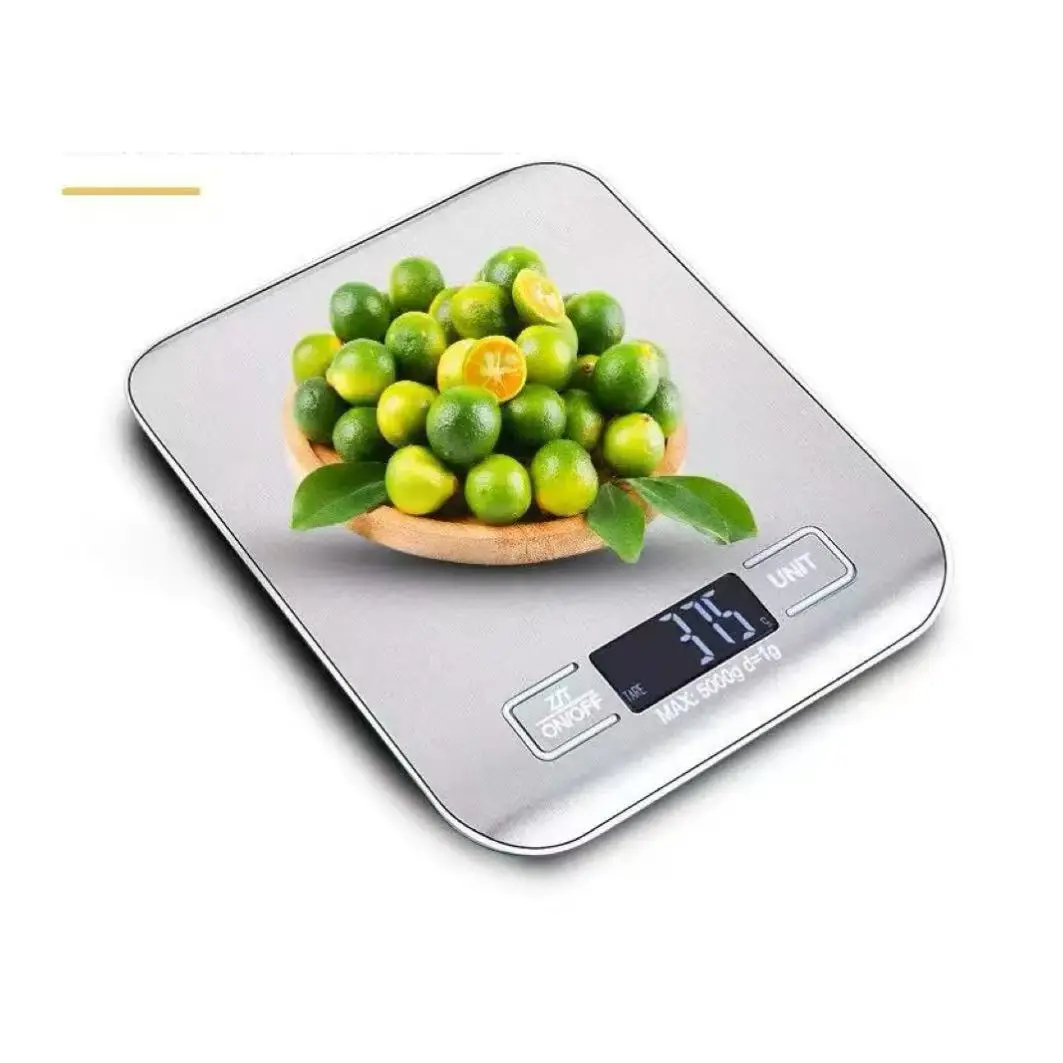
Browse kitchen and portion tools on Amazon
Food scales, portion containers and measuring sets, as an Amazon category search. We have not tested individual products.