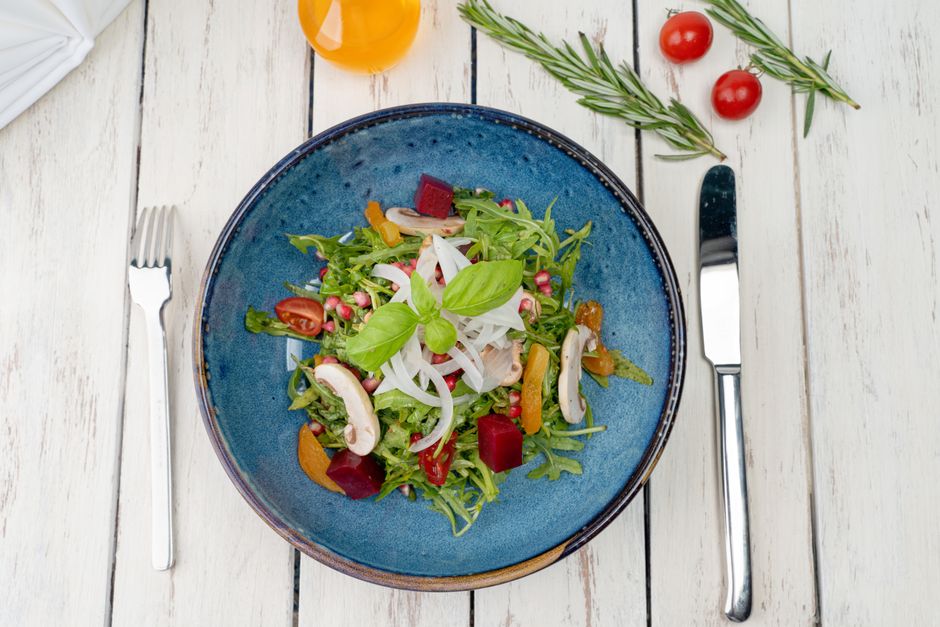
Why the Mediterranean Diet Outperforms Fad Diets for Sustainable Fat Loss
The Mediterranean diet isn’t just another weight-loss trend, it’s a metabolic framework designed to work with your body’s natural rhythms, not against them. Unlike restrictive diets that trigger rebound weight gain, this approach leverages whole foods, healthy fats, and fiber-rich carbohydrates to improve insulin sensitivity and reduce visceral fat. Research consistently shows that people following this pattern lose weight gradually while maintaining metabolic health, even without strict calorie counting.
What sets the Mediterranean diet apart is its emphasis on metabolic flexibility, the ability to switch between burning fat and glucose efficiently. This is critical for fat loss because it prevents the metabolic slowdown seen in crash diets. Instead of demonizing any single macronutrient, it prioritizes nutrient-dense foods that regulate appetite hormones like ghrelin and leptin, making adherence effortless over time.
How the Mediterranean Diet Targets Visceral Fat (Without Starvation)
Visceral fat, the dangerous fat stored around organs, isn’t just a storage depot; it’s an endocrine organ that disrupts insulin signaling. The Mediterranean diet combats this through three mechanisms:
- Olive oil and monounsaturated fats reduce inflammation and improve insulin sensitivity, lowering the body’s tendency to store fat in the abdomen.Harvard T.H. Chan School of Public Health
- Fiber-rich foods (vegetables, legumes, whole grains) slow digestion, preventing blood sugar spikes that trigger fat storage.
- Omega-3 fatty acids (found in fish, nuts, and seeds) lower triglycerides and reduce liver fat, a key driver of metabolic dysfunction.
Unlike low-fat diets that leave people hungry and metabolically sluggish, this approach keeps energy stable by pairing fats with fiber and protein. The result? Less craving-driven eating and more consistent fat oxidation.
Dietary Rules That Actually Matter (And Which Ones to Ignore)
Not all Mediterranean diet advice is equally effective. Focus on these non-negotiables:
- Prioritize extra-virgin olive oil as your primary fat source. It’s rich in polyphenols that enhance fat burning and reduce oxidative stress.
- Fill half your plate with vegetables at every meal. Leafy greens, cruciferous vegetables, and tomatoes provide fiber and antioxidants that blunt insulin responses.
- Choose whole grains over refined carbs. Farro, bulgur, and whole-wheat pasta have a lower glycemic impact than white bread or pastries.
- Include fatty fish twice weekly. Salmon, sardines, and mackerel supply omega-3s that reduce inflammation linked to belly fat storage.
- Limit added sugars and processed foods. Even natural sweeteners like honey should be used sparingly to avoid metabolic disruption.
What to skip:
- Counting calories obsessively. The diet’s structure naturally regulates intake through satiety.
- Eliminating entire food groups (e.g., dairy or grains). These provide nutrients that support thyroid function and metabolism.
- Over-restricting healthy fats. Fat is satiating and essential for hormone production.
Metabolic Myths That Sabotage Fat Loss
Myth: "All fats make you fat." The Mediterranean diet proves this wrong. Extra-virgin olive oil, nuts, and avocados are calorie-dense but improve insulin sensitivity, which is more critical for fat loss than raw calorie counts. Following a Mediterranean-style diet led to more visceral fat loss than a low-fat diet, despite similar calorie intake.
Myth: "You must eat small, frequent meals to stoke metabolism." Meal frequency has minimal impact on fat loss. What matters more is meal composition and total energy intake. The Mediterranean diet’s emphasis on protein and fiber at meals naturally extends satiety, reducing the need for constant snacking.
Myth: "Dairy causes inflammation and weight gain." Fermented dairy (Greek yogurt, kefir) is a staple in Mediterranean diets and supports gut health, which is linked to lower obesity risk. The key is choosing full-fat, unsweetened versions to avoid added sugars.
Step-by-Step: Your 14-Day Mediterranean Fat-Loss Protocol
This plan balances metabolic health with practicality. Adjust portions based on your size, activity level, and hunger cues.
Daily Framework
| Meal | Key Components | Portion Guidance |
|---|---|---|
| Breakfast | Protein + healthy fat + fiber | 1 palm-sized protein + 1 thumb olive oil + 1 fist vegetables |
| Lunch | Protein + fiber + healthy fat | 1 palm-sized protein + 1 fist vegetables + 1 thumb olive oil |
| Dinner | Protein + fiber + healthy fat | 1 palm-sized protein + 1 fist vegetables + 1 thumb olive oil |
| Snacks (optional) | Protein or fiber-rich | 1 small handful nuts or 1 cup berries |
Sample Day
Breakfast: Greek yogurt (unsweetened) with walnuts, chia seeds, and blueberries.
Lunch: Grilled salmon over a bed of spinach, cherry tomatoes, cucumber, and farro. Drizzle with olive oil and lemon.
Dinner: Baked chicken thighs with roasted eggplant, zucchini, and a side of whole-grain bread with hummus.
Snack: A small apple with almond butter.
Troubleshooting Protocol
If weight loss stalls:
- Check liquid calories. Sugary drinks, even natural ones like fruit juice, can disrupt insulin sensitivity.
- Increase fiber gradually. A sudden jump in beans or whole grains may cause bloating, but it also improves satiety long-term.
- Prioritize sleep. Poor sleep increases ghrelin (hunger hormone) and decreases leptin (satiety hormone), undermining fat loss.
- Add strength training. Preserves lean mass during a deficit, which keeps metabolism stable.
- Reassess portions. Over time, the body adapts to lower energy intake. A temporary 10% reduction in portions may restart progress.
Why This Works: The Science of Metabolic Adaptation
The Mediterranean diet’s success lies in its ability to rewire metabolic pathways without triggering the stress responses seen in extreme diets. Here’s how:
- Insulin sensitivity improves as fiber and healthy fats reduce post-meal blood sugar spikes. This lowers the body’s tendency to store excess glucose as fat.
- Gut microbiome diversity increases, which is linked to lower obesity risk. Fiber-rich foods feed beneficial bacteria that produce short-chain fatty acids, compounds that enhance fat oxidation.
- Chronic inflammation decreases. Omega-3s and polyphenols in olive oil and vegetables reduce pro-inflammatory cytokines that impair fat breakdown.
- Appetite hormones stabilize. Protein and fiber increase satiety hormones (GLP-1, peptide YY) while reducing ghrelin, the hunger hormone.
Unlike diets that rely on willpower, this approach leverages biology. The body isn’t fighting the diet, it’s being supported by it.
Recommended Health & Fitness Gear



FAQ: Common Questions About Mediterranean Diet and Fat Loss
Q: Can I lose weight on the Mediterranean diet if I’m vegetarian?
A: Yes. Replace animal proteins with legumes, tofu, tempeh, and dairy (if tolerated). Focus on nuts, seeds, and olive oil for healthy fats. Plant-based Mediterranean diets reduced visceral fat as effectively as omnivorous versions.Harvard T.H. Chan School of Public Health
Q: How much olive oil should I consume daily?
A: Aim for 2–3 tablespoons (30–45 mL). This amount provides enough polyphenols to improve insulin sensitivity without excess calories. Use it for cooking, dressings, and drizzling over meals.
Q: Will I lose weight faster if I cut out bread and pasta?
A: Not necessarily. Whole grains in moderation support gut health and satiety. The key is portion control, stick to ½ cup cooked grains per meal and pair them with protein and vegetables.
Q: Is the Mediterranean diet safe for people with type 2 diabetes?
A: Yes. Multiple studies show it improves glycemic control and reduces medication needs. The focus on fiber and healthy fats prevents blood sugar spikes while providing steady energy.
The Mediterranean Diet for Fat Loss
- Fat loss without metabolic slowdown is possible by improving insulin sensitivity through whole foods, not calorie restriction alone.
- Healthy fats (olive oil, nuts, fish) are allies, not enemies. They regulate appetite and reduce inflammation linked to belly fat storage.
- Fiber is the unsung hero. It slows digestion, stabilizes blood sugar, and feeds gut bacteria that enhance fat oxidation.
- Meal timing matters less than composition. Prioritize protein, fiber, and healthy fats at each meal to extend satiety naturally.
- Sustainability is built-in. The diet’s flexibility and nutrient density make it easier to maintain than restrictive plans.
The Mediterranean diet isn’t a quick fix, it’s a long-term strategy for metabolic health and sustainable fat loss. By focusing on whole foods and metabolic flexibility, it addresses the root causes of weight gain without the deprivation of fad diets.
Advertising disclosure: the links below are affiliate links. We may earn a commission if you use them, at no extra cost to you. This does not change the article's content, and it is not a medical recommendation.
Browse kitchen and portion tools on Amazon
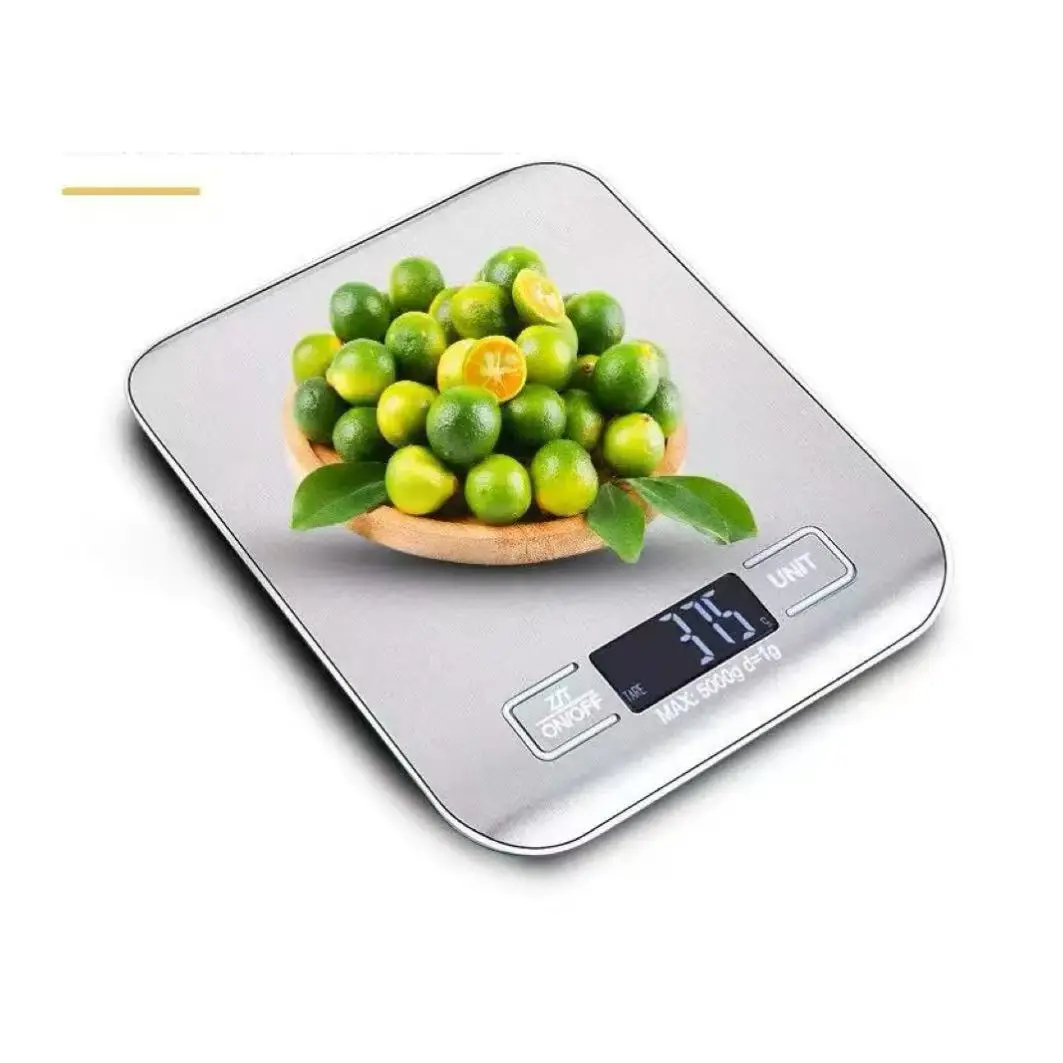
Food scales, portion containers and measuring sets, as an Amazon category search. We have not tested individual products.