Why Lipstick Fades, and How to Keep It Looking Fresh for Hours
Lipstick longevity isn’t just about the product you choose; it’s about how your lips interact with the environment, your skin’s natural oils, and even your daily habits. The average lipstick contains waxes, oils, and pigments that cling to the surface of the lips, but these ingredients can break down when exposed to saliva, talking, eating, or even the friction of your teeth. Matte formulas, while long-wearing, often contain more drying agents like silica or kaolin, which can accelerate flaking if lips aren’t properly prepped. Meanwhile, hydrating formulas may slide off faster but leave a smoother canvas for reapplication. The key lies in balancing preparation, application technique, and product selection to match your lifestyle.
Prep Your Lips Like a Pro
Lips are uniquely vulnerable to dryness because they lack the protective layers of thicker skin on the rest of your face. Exfoliation removes dead cells that can cause lipstick to cling unevenly or flake off prematurely. A gentle scrub with a damp washcloth or a lip-specific exfoliant (look for ingredients like salicylic acid or jojoba oil) 2–3 times a week can smooth the surface without causing irritation. Hydration is equally critical, dry lips absorb color unevenly, leading to patchy wear. Apply a hydrating balm or serum (such as one with hyaluronic acid or shea butter) 10–15 minutes before lipstick to create a moisture barrier. Avoid petroleum-based products immediately before application, as they can repel color.
Prime for Perfection
Lip primers aren’t just marketing, they create a tacky base that helps pigment adhere longer. Look for silicone-based primers to smooth texture or hydrating primers if your lips tend to dry out. For sensitive skin, opt for fragrance-free and hypoallergenic options to minimize irritation. Apply a thin layer over clean, moisturized lips, then let it set for 30 seconds before applying lipstick. If you don’t have a primer, a dab of foundation or concealer on your lips can serve as a temporary base, though it may not last as long as dedicated products.
Line and Fill for Maximum Wear
Lip liner isn’t just for definition, it’s a longevity tool. A well-matched liner creates a barrier that prevents feathering and bleeding, especially for bold or dark shades. Start by outlining your lips, then fill in the entire surface to create a “color lock.” For matte or long-wear formulas, choose a liner that’s slightly darker than your lipstick to counteract any fading. If you’re using a sheer or glossy lipstick, a nude or matching liner will blend seamlessly. Avoid overly waxy liners, as they can pill when layered under lipstick.
Application Techniques That Matter
How you apply lipstick affects its staying power. For matte or long-wear formulas, use a brush to press pigment into the lips rather than dragging it across the surface. This technique helps the color adhere to the skin’s texture rather than sitting on top, where it’s more likely to smudge. For creamy or satin finishes, a direct swipe from the bullet can work, but blotting with a tissue and reapplying a second thin layer often extends wear time. Avoid over-lining lips, as this can create uneven edges that trap moisture and cause feathering.
Layer Strategically for All-Day Wear
Multi-step application isn’t just for complexion products, it works for lips too. After applying lipstick, blot gently with a tissue to remove excess oil, then dust a translucent powder over the lips to absorb moisture. This step is particularly effective for matte formulas, as it helps set the color. Follow up with a second layer of lipstick, then blot again. For extra hold, apply a thin layer of clear lip balm over the top (a technique known as “lip sandwiching”), though this may reduce intensity. If you’re prone to dryness, skip the powder and opt for a hydrating setting spray instead.
Myths vs. Facts: What Really Works for Lipstick Longevity
Myth: Darker lipsticks last longer than lighter shades.
Darker shades often contain more pigments and fillers, which can make them appear more opaque, but longevity depends more on formulation than color. Matte and long-wear formulas, regardless of shade, are designed to resist transfer and fading, while sheer or glossy finishes typically require more frequent touch-ups. The misconception likely stems from the fact that lighter shades are often creamier or more hydrating, which can slide off faster.
Myth: Blotting ruins lipstick.
Blotting is one of the most effective ways to extend wear time, especially for matte or long-wear formulas. The process removes excess oil and moisture, allowing the color to adhere to the skin rather than sitting on top. The key is to blot gently with a tissue, then reapply a thin layer of lipstick. Over-blotting or using a rough texture can cause feathering or irritation.
Myth: Lip liner causes dryness.
Lip liner itself doesn’t cause dryness, but certain formulations can contribute to it. Waxy or heavily pigmented liners may pull moisture from the lips if they’re not properly hydrated beforehand. To prevent this, exfoliate and moisturize your lips before applying liner, and choose formulas with emollients like shea butter or vitamin E. If your lips feel dry after liner, apply a hydrating balm over the top.
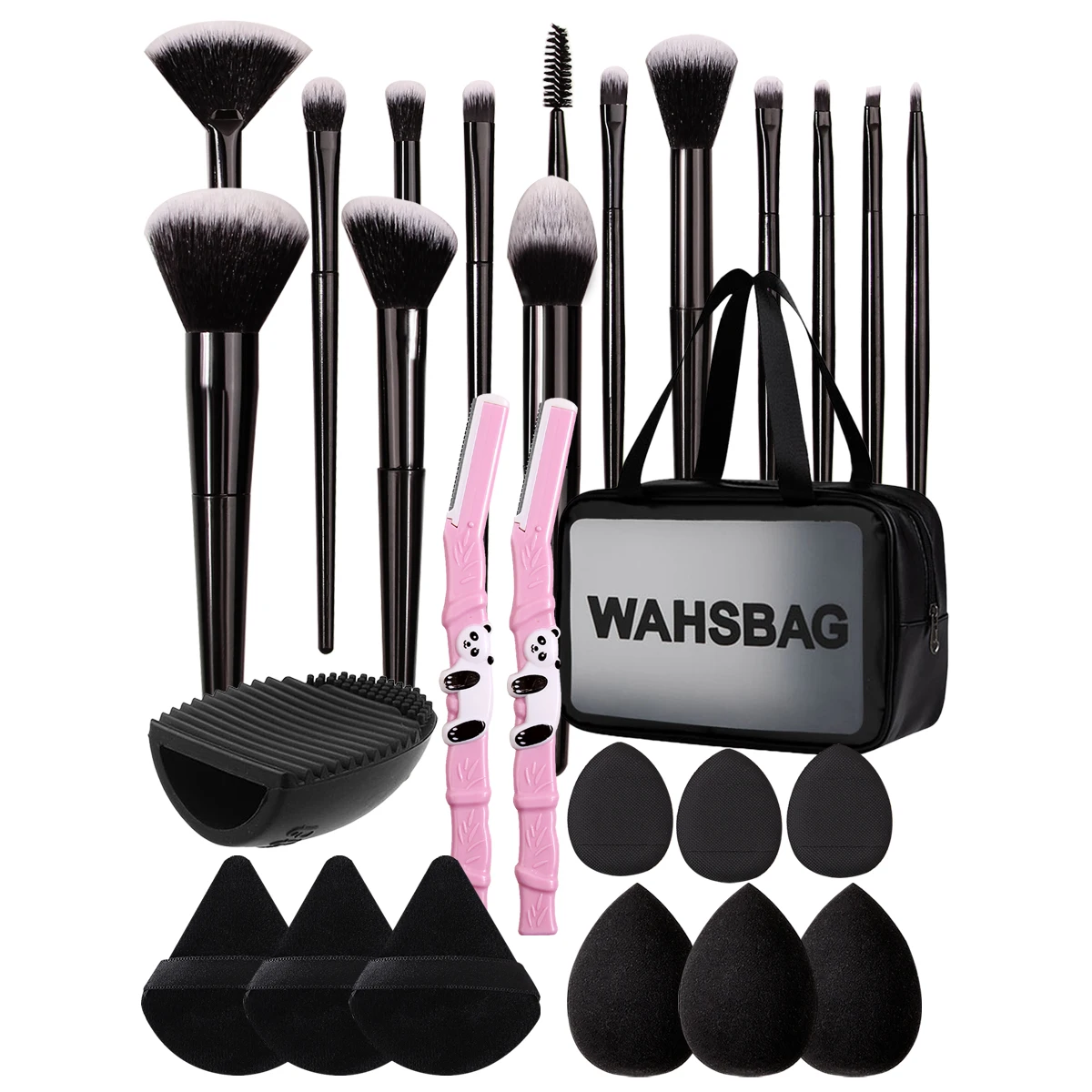
Recommended Makeup Tools

Choosing the Right Lipstick for Your Needs
Not all lipsticks are created equal, and the best formula for longevity depends on your lifestyle and skin type. For sensitive lips, opt for fragrance-free and hypoallergenic options to minimize irritation. If you’re prone to dryness, creamy or satin finishes with hydrating ingredients like glycerin or squalane may work better than matte formulas. For oily skin, long-wear or matte lipsticks with silicone-based primers can help control shine and prevent feathering. Always check the ingredient list for potential irritants, especially if you have allergies or conditions like eczema.
When shopping, look for products labeled “transfer-resistant,” “long-wear,” or “non-feathering,” but be aware that these claims aren’t regulated. The U.S. FDA requires manufacturers to ensure safety, but it doesn’t validate marketing claims about wear time. Patch-test new products on your inner arm before applying them to your lips to check for reactions.
Quick Fixes for Midday Touch-Ups
Even the most long-wearing lipsticks need a refresh after hours of wear. For minor fading, apply a thin layer of the same shade or a slightly lighter tint to revive the color. If your lipstick has feathered or blurred, use a cotton swab dipped in micellar water or makeup remover to clean up the edges, then reapply liner and lipstick. For a quick fix on the go, a hydrating balm can temporarily plump and smooth lips, though it won’t restore color. Avoid using tissues to blot lipstick midday, as this can cause feathering.
FAQ: Lipstick Longevity
Does eating or drinking affect lipstick wear?
Yes. Foods with high water content (like citrus fruits or cucumbers) can cause lipstick to break down faster, while oily or greasy foods may transfer color onto utensils or napkins. Drinking through straws or cups can also cause lipstick to smear, especially if the formula is creamy or glossy. To minimize transfer, blot your lips with a tissue after eating or drinking, then reapply a thin layer of lipstick if needed.
Can I use setting spray on my lips?
Yes, but with caution. Setting sprays designed for the face can be used on lips to lock in color, but they may dry out the lips if overused. Opt for hydrating sprays with ingredients like aloe vera or glycerin, and avoid sprays with high alcohol content. Apply a light mist from a distance of 8–10 inches, then press your lips together to distribute the product evenly.
Why does my lipstick pill or flake?
Pilling occurs when layers of product don’t adhere properly, often due to incompatible formulas or improper application. If you’re layering lip liner, lipstick, and powder, the textures may not blend seamlessly, causing flaking. To prevent this, exfoliate and moisturize your lips before application, and avoid using overly waxy liners or drying powders. If pilling persists, simplify your routine to one or two products.
Is it safe to sleep in lipstick?
No. Leaving lipstick on overnight can clog pores, cause irritation, or transfer pigment onto your pillowcase and skin. Some ingredients, like certain dyes or preservatives, may also increase sensitivity over time. Always remove lipstick before bed using a gentle makeup remover or cleansing balm, followed by a hydrating lip mask if needed.
Worth Remembering
- Exfoliation and hydration create a smooth canvas for lipstick, preventing patchy wear and flaking.
- Primers and liners act as barriers, locking in color and preventing feathering or transfer.
- Application technique matters, press, don’t drag, and blot between layers for maximum wear.
- Product selection should match your lifestyle: matte for longevity, creamy for hydration, and long-wear for active days.
- Midday touch-ups are essential for maintaining color, but avoid over-blotting to prevent feathering.
This pairs well with how to make lipstick last all day without drying your lips.
Advertising disclosure: the links below are affiliate links. We may earn a commission if you use them, at no extra cost to you. This does not change the article's content, and it is not a medical recommendation.
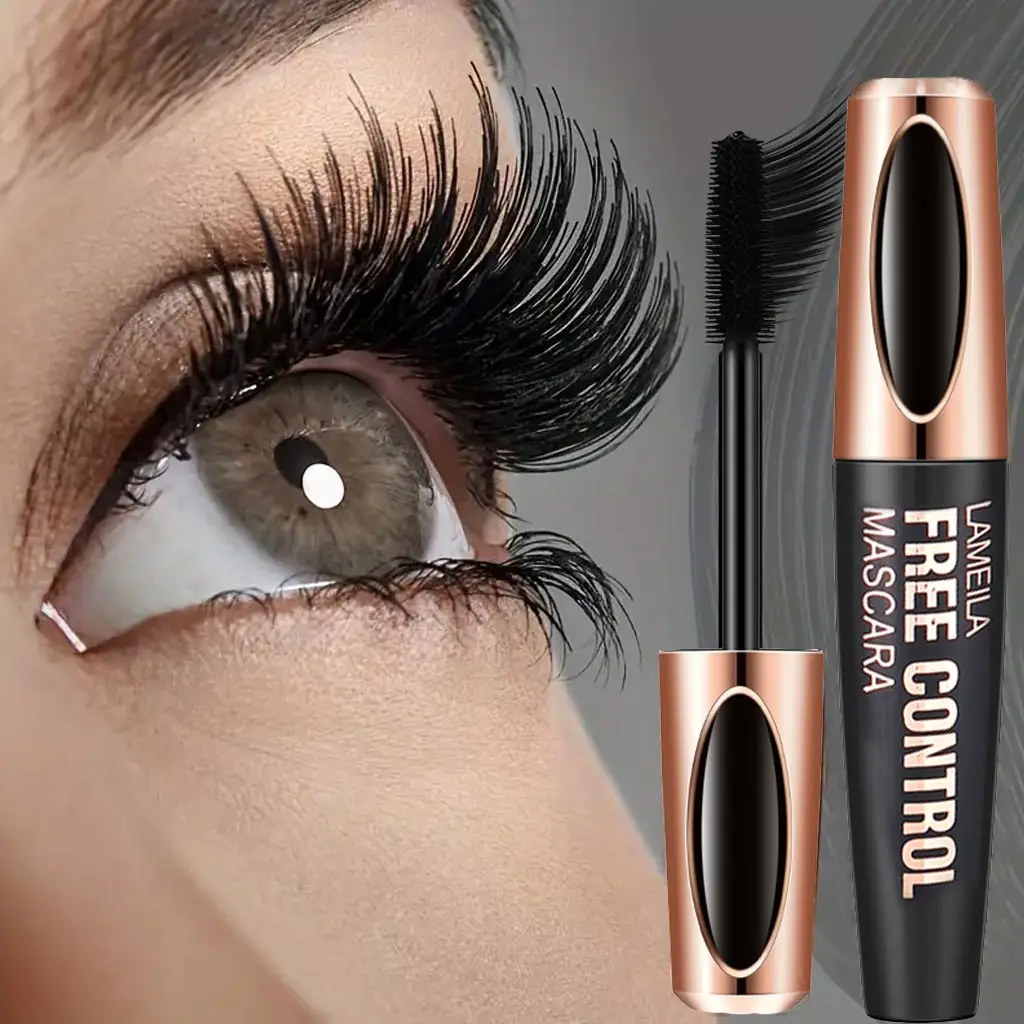
Browse makeup essentials on Amazon
Mineral foundations, brushes and makeup primers, as an Amazon category search. We have not tested individual products.