Why Lipstick Fades, and How to Keep It From Happening
Long-wearing lipstick is a makeup staple, but the trade-off for all-day color is often dry, flaky lips. The issue isn’t just the formula, it’s how the skin on your lips interacts with pigments, oils, and preservatives. Lips lack the protective layers of facial skin, making them more vulnerable to moisture loss and irritation. When lipstick clings to dry patches or transfers too easily, it’s a sign the formula may be stripping natural oils or failing to bond properly with the skin’s surface.
Not all long-wear lipsticks are created equal. Some rely on high concentrations of waxes or silicones that create a film-like barrier, while others use alcohol or volatile solvents to help pigments adhere. These ingredients can dehydrate the lips over time, leading to peeling and discomfort. The key to lasting color without sacrifice lies in choosing formulas with humectants, like glycerin or hyaluronic acid, and avoiding products with denatured alcohol or excessive fragrance, which can compromise the skin barrier.
Beyond the product itself, application technique and pre-lip care play a critical role. Exfoliating too aggressively or skipping hydration before application can sabotage even the most advanced formulas. The goal isn’t just to make lipstick last longer, it’s to do so without compromising the health of your lips.
Myth: Matte Lipsticks Always Last Longer Than Hydrating Formulas
Matte lipsticks are often marketed as the gold standard for longevity, but their staying power comes at a cost. These formulas typically contain higher levels of waxes and fillers to create a non-slip, velvety finish, which can cling to dry patches and emphasize texture. The result? A lipstick that may stay put but also accelerates flaking and discomfort.
Hydrating formulas, on the other hand, use emollients and occlusives to lock in moisture while still delivering color payoff. Modern long-wear lipsticks often blend silicone-based polymers with conditioning agents like squalane or shea butter, allowing them to adhere without stripping the lips. The misconception that matte equals long-lasting overlooks the advances in non-drying technology, today’s best performers balance wear time with lip health.
For those who prefer matte, opt for satin or semi-matte finishes, which offer a middle ground. These formulas provide structure without the harshness of full matte, reducing the risk of dryness while still delivering extended wear.
Step-by-Step: How to Make Lipstick Last Without Drying Your Lips
Achieving all-day color starts before the first stroke of color. Follow this structured routine to prep, apply, and maintain your lipstick without compromising hydration.
Pre-Lip Care: The Foundation of Longevity
- Exfoliate gently. Use a soft toothbrush or a lip scrub with mild physical exfoliants (like jojoba beads) 2–3 times a week. Avoid harsh scrubs or chemical exfoliants like AHAs/BHAs, which can thin the delicate lip skin.
- Hydrate immediately after exfoliation. Apply a thin layer of a fragrance-free lip balm with occlusives (e.g., petrolatum or beeswax) to seal in moisture. Ingredients like dimethicone or lanolin create a protective barrier that prevents water loss.
- Avoid licking your lips. Saliva contains enzymes that break down lipids in the skin, leading to dryness and irritation. This habit also disrupts the adhesion of lipstick.
Application: Technique Matters
- Prime with a lip liner. A matching lip liner acts as a base coat, helping the lipstick grip the skin. Choose a liner with a similar finish (e.g., creamy for creamy lipsticks, matte for matte). Avoid overly drying liners with high alcohol content.
- Apply lipstick in thin layers. Build color gradually to prevent clumping and ensure even wear. Use a lip brush for precision, especially with long-wear formulas that can drag on dry patches.
- Blot and set (if needed).strong> For ultra-long wear, press a tissue over the lips, dust with translucent powder, and reapply a thin layer of lipstick. This technique helps the formula adhere to the skin’s surface without caking.
Midday Maintenance: Preserve the Look
- Carry a hydrating mist. Spritz a facial mist with glycerin or aloe vera over the lips to reactivate the formula and prevent dryness. Avoid oil-based products, which can break down the lipstick’s finish.
- Reapply selectively. Instead of full-coverage reapplication, use a matching lip liner or a tinted balm to refresh color without overloading the lips with product.
- Drink water consistently. Dehydration accelerates lip dryness, making it harder for lipstick to adhere. Aim for at least 2 liters of water daily, adjusting for activity level and climate.
Post-Lip Care: Repair and Replenish
- Remove lipstick gently. Use a micellar water or oil-based remover to dissolve pigments without tugging or scrubbing. Avoid alcohol-based removers, which can strip the skin.
- Apply a reparative balm. Look for products with ceramides, panthenol, or niacinamide to restore the skin barrier overnight. Avoid menthol or camphor, which can cause irritation.
Product Selection: What to Look For (and What to Avoid)
Not all long-wear lipsticks are formulated with lip health in mind. Here’s how to decode labels and choose wisely.
Ingredients That Support Longevity and Hydration
- Silicone-based polymers (e.g., dimethicone, cyclopentasiloxane). These create a smooth, breathable film that locks in color without suffocating the skin.
- Hyaluronic acid or glycerin. Humectants attract moisture to the lips, preventing dryness and flaking.
- Shea butter or squalane. Emollients soften the lips and improve the adherence of pigments.
- Vitamin E (tocopherol). An antioxidant that protects the lips from environmental stressors while supporting skin repair.
Ingredients to Avoid
- Denatured alcohol. A common solvent in long-wear formulas that strips natural oils and disrupts the skin barrier. The U.S. FDA warns that alcohol can cause irritation and dryness in sensitive areas like the lips.
- Fragrance or essential oils. These can trigger allergic reactions or sensitivities, leading to inflammation and peeling.
- Mica or talc in high concentrations. While these ingredients add slip, they can also contribute to dryness and texture if overused.
Recommended Formulas
For those seeking a balance of wear and hydration, consider these categories:
- Creamy long-wear lipsticks. Brands like Charlotte Tilbury or Clinique offer formulas with conditioning agents that prevent dryness while delivering 6–8 hours of color.
- Satin or semi-matte finishes. Products like MAC Powder Kiss or NARS Audacious provide structure without the harshness of full matte.
- Tinted balms with staying power. Brands like Burt’s Bees or Fresh Sugar Lip Treatment use natural waxes and oils to tint lips while hydrating.
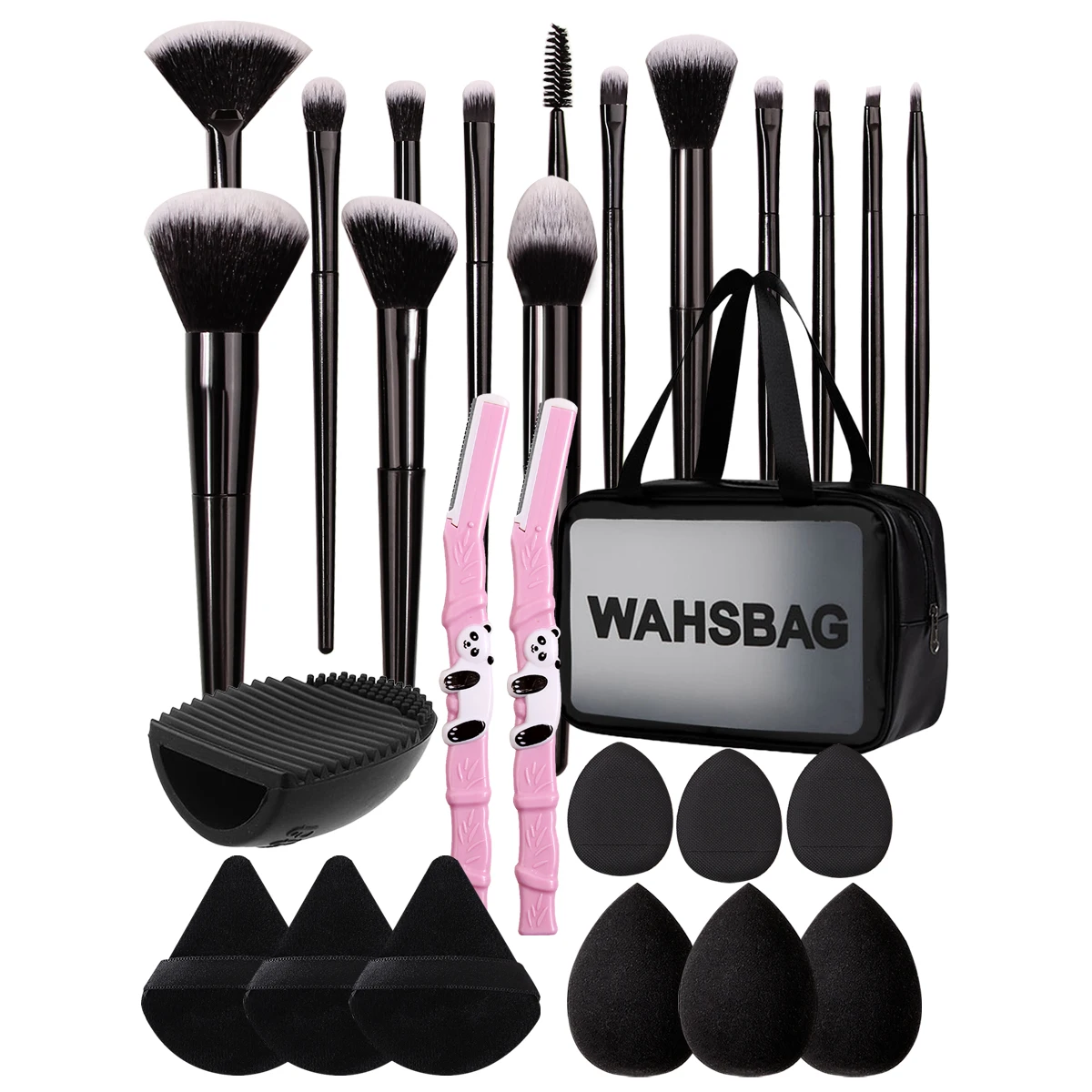
Recommended Makeup Tools

7-Day Action Plan for Hydrated, Long-Wearing Lips
Consistency is key to maintaining lip health while maximizing wear time. Follow this plan to build a sustainable routine.
| Day | Morning | Afternoon | Evening |
|---|---|---|---|
| 1 | Exfoliate with a soft toothbrush, apply hydrating balm. | Prime with liner, apply lipstick, blot with tissue. | Remove with oil-based remover, apply reparative balm. |
| 2 | Skip exfoliation, apply balm to maintain hydration. | Reapply liner only to refresh edges. | Use micellar water to remove lipstick, apply balm with ceramides. |
| 3 | Exfoliate gently, hydrate with aloe vera gel. | Apply lipstick with a brush for precision. | Remove with jojoba oil, apply balm with SPF for overnight repair. |
| 4 | Hydrate with a hydrating mist, apply balm. | Reapply tinted balm to refresh color. | Use a gentle exfoliant, apply balm with panthenol. |
| 5 | Exfoliate, hydrate with occlusive balm. | Apply lipstick, blot with tissue and dust with powder. | Remove with oil-based remover, apply balm with vitamin E. |
| 6 | Hydrate with glycerin-based mist. | Reapply liner to touch up edges. | Use micellar water, apply balm with squalane. |
| 7 | Exfoliate, hydrate with balm. | Apply lipstick, skip blotting for a natural finish. | Remove with jojoba oil, apply balm with ceramides. |
Common Mistakes That Sabotage Lipstick Longevity
Even the most meticulous routines can fall apart due to avoidable errors. Here’s what to watch for:
Over-Exfoliating
Exfoliating more than 3 times a week can strip the lips of natural oils, leading to dryness and irritation. Stick to a gentle routine and focus on hydration afterward.
Skipping Primer
Without a lip liner or balm base, lipstick is more likely to cling to dry patches or feather at the edges. A well-matched liner creates a smooth canvas for color.
Using Oil-Based Products Midday
Oils can break down the lipstick’s finish, causing it to slip or transfer. Opt for hydrating mists or water-based products to refresh without disrupting the formula.
Ignoring Environmental Stressors
Wind, cold air, and indoor heating can dehydrate lips faster than usual. Increase hydration in harsh conditions and reapply balm as needed.
FAQ: Your Top Lipstick Questions Answered
Can I make drugstore lipsticks last longer without drying my lips?
Yes. Start by exfoliating gently and applying a hydrating balm. Use a lip liner to prime, then apply the lipstick in thin layers. Blot with a tissue and dust with translucent powder for extra staying power. Choose formulas with glycerin or dimethicone to minimize dryness.
Why does my lipstick feather or bleed after a few hours?
Feathering often occurs when the lipstick interacts with fine lines or dry patches. To prevent this, exfoliate regularly and apply a hydrating balm before makeup. Avoid matte formulas with high wax content, which can emphasize texture. A lip liner can also help seal the edges.
Are there long-wear lipsticks that don’t contain alcohol?
Yes. Many brands now offer alcohol-free long-wear formulas with silicone-based polymers or natural waxes. Look for products labeled "alcohol-free" or "non-drying" and check the ingredient list for humectants like glycerin or hyaluronic acid.
How do I remove long-wear lipstick without drying my lips?
Use an oil-based remover or micellar water to dissolve pigments gently. Avoid alcohol-based products, which can strip the skin. After removal, apply a reparative balm with ceramides or panthenol to restore moisture.
What Matters Most
- Long-wear lipstick longevity depends on pre-lip care, application technique, and formula selection.
- Matte lipsticks aren’t the only option for lasting color, hydrating formulas with silicone or humectants can deliver similar wear without dryness.
- Avoid denatured alcohol, fragrance, and harsh exfoliants to prevent irritation and flaking.
- Consistent hydration, gentle exfoliation, and proper removal are essential for maintaining lip health.
- Choose products with occlusives, emollients, and conditioning agents to support both wear and comfort.
Further Reading from Health Authorities
Related reading
Advertising disclosure: the links below are affiliate links. We may earn a commission if you use them, at no extra cost to you. This does not change the article's content, and it is not a medical recommendation.
Browse makeup essentials on Amazon
Mineral foundations, brushes and makeup primers, as an Amazon category search. We have not tested individual products.