
The physics of makeup layering: why texture matters more than you think
Foundation sits on the skin’s surface like a fine mesh, its primary job is to even out tone and create a uniform canvas. Powder, when applied correctly, locks that base in place by absorbing excess sebum and creating microscopic texture that helps subsequent layers adhere. Cream blush, however, is a lipid-based emulsion designed to melt into the skin’s surface lipids, not sit atop them. The challenge? Preventing the cream from disturbing the powder’s grip, which can lead to patchiness or streaking.
Think of it like building a sandcastle. The foundation is the wet sand, firm and structured. Powder is the first layer of dry sand, stabilizing the base. Cream blush is the water you’d pour to shape the tower. If you dump the water too quickly, the structure collapses. The key lies in technique: slow, deliberate application with tools that minimize disruption.
Step-by-step: the non-disruptive layering method
Step 1: Prime for powder adhesion
Before anything else, ensure your powder foundation is fully set. A silicone-based primer (dimethicone or cyclopentasiloxane) can create a slippery surface that reduces powder’s absorbency, but this risks making the foundation slide. Instead, opt for a lightweight, alcohol-free setting spray with glycerin; it hydrates the powder particles just enough to make them slightly tacky, creating micro-grip for the cream blush without dissolving the base.
Step 2: Use the right tool for the job
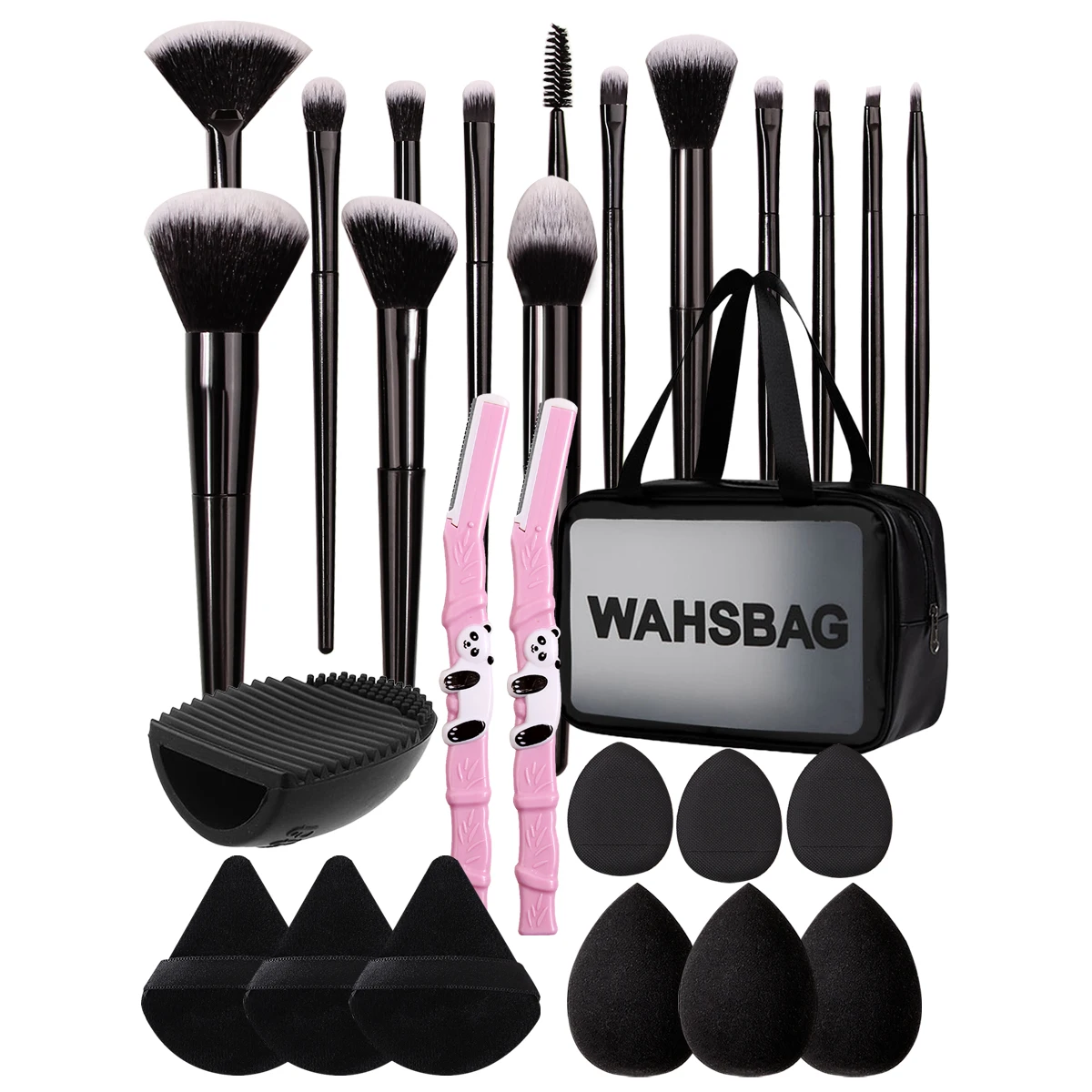
A dense, synthetic fiber brush (think goat hair but denser) is ideal; its stiffness prevents the cream from dragging across the powder’s surface. Avoid sponge applicators; their porous structure absorbs the cream’s oils, leaving a wet, patchy residue. For precision, a flat-topped kabuki brush works best, but only if you tap off excess product first. Overloading the brush is the fastest way to disturb the powder.
Step 3: Apply in a single, light layer
Cream blush should be applied in a single, feather-light swipe, no back-and-forth buffing. Start at the high point of the cheekbone and blend outward toward the temples in one smooth motion. The goal isn’t to cover the powder but to let the cream’s pigments diffuse into the skin’s surface lipids. If you press too hard, you’ll dislodge the powder particles, creating uneven texture.
Step 4: Set immediately (but gently)
Within 30 seconds of applying the cream, mist a translucent powder (mica-free, to avoid sparkle) over the blush using a fluffy brush. The powder should land lightly, like snow, not be pressed into the skin. This arrests the cream’s movement before it can migrate. Avoid heavy-handed tapping; it’s the equivalent of stomping on a sandcastle.
Why your current method might be failing
Most layering failures stem from one of three issues: incorrect tool choice, over-application, or improper setting. A damp sponge, for example, can drag the cream across the powder, lifting particles and creating streaks. Similarly, using a cream blush with high water content (like some gel-cream hybrids) can re-activate the powder’s surface, turning your base into a muddy mess.
Another common mistake? Skipping the setting step. Cream blush doesn’t fully dry; it remains a semi-solid emulsion. Without an immediate powder lock, it can slide into fine lines or settle into dry patches, making the foundation look patchy by midday.
Myth-busting: the science behind the technique
Myth: "Cream blush works best on bare skin."
This is only partially true. While cream blush does adhere better to hydrated skin, a well-set powder foundation provides a stable, non-greasy surface for the cream to diffuse into. The key is the powder’s particle size. Finely milled powders (like those in airbrush foundations) create a smoother texture for the cream to glide over, reducing drag.
According to the U.S. Food and Drug Administration, cosmetic texture interactions are governed by particle size and surface tension, not just the presence of powder. A powder with too-large particles (like some mineral foundations) can create micro-gaps, allowing the cream to sink unevenly.
Myth: "You need a tacky primer to make cream blush stick."
Tacky primers (like those with high levels of isododecane) can work, but they risk destabilizing the powder foundation. The FDA notes that solvents in primers can dissolve powder binders, leading to uneven wear. Instead, a light misting of a hydrating setting spray (with ingredients like aloe vera or panthenol) provides enough grip without compromising the base.
WebMD’s guide on makeup for sensitive skin emphasizes that alcohol-free sprays are less likely to strip the skin’s barrier, which indirectly affects how well the cream blush adheres.
FAQ: addressing common layering frustrations
Q: Why does my cream blush look streaky over powder?
A: Streaks occur when the cream isn’t diffused properly. The brush’s fibers should glide, not drag. If your brush is too stiff, the cream will skip over the powder’s surface. If it’s too soft, the cream will clump. The solution? Use a medium-stiffness synthetic brush and blend in one direction only.
Q: Can I use a setting spray after the powder to lock everything in?
A: Yes, but timing matters. Apply the setting spray after the powder layer, not before. Spraying before the cream blush can re-activate the powder’s surface, making it easier for the cream to disturb the base. The Cleveland Clinic notes that setting sprays work best when applied in a fine mist, not a heavy spritz.
Q: What if my powder foundation is matte but my skin is dry?
A: Dry skin can make powder foundations look cakey, and cream blush can emphasize flakes. The fix? Apply a hydrating serum (like hyaluronic acid) before foundation, then set with a finely milled powder. The serum plumps the skin slightly, reducing the contrast between dry patches and powder.
Recommended Makeup Tools

the non-negotiable rules
- Use a dense, synthetic brush, not a sponge, to apply cream blush over powder.
- Set the powder foundation with a hydrating, alcohol-free setting spray before layering cream.
- Apply cream blush in a single, light swipe; avoid back-and-forth buffing.
- Immediately set the cream with a fine, mica-free powder to prevent migration.
- Skip tacky primers; they destabilize the powder’s surface.
The science of layering is less about magic tricks and more about understanding texture physics. Powder foundations create a structured surface; cream blushes are designed to melt into the skin’s lipids. The trick isn’t to fight the physics, it’s to work with it.
How this article was made
Researched and drafted with AI assistance, then screened by automated checks for originality, exaggerated claims and structure before publishing. No clinician reviewed it, and it is general information rather than medical advice. Read more at About us, or write to us if you spot an error.
Further Reading from Health Authorities
Advertising disclosure: the links below are affiliate links. We may earn a commission if you use them, at no extra cost to you. This does not change the article's content, and it is not a medical recommendation.
Browse makeup essentials on Amazon
Mineral foundations, brushes and makeup primers, as an Amazon category search. We have not tested individual products.