Why undertones matter more than you think
Foundation shade matching isn’t just about surface-level color, it’s about the subtle biological signals your skin emits. Undertones, the hidden hues beneath the skin’s surface, dictate how light reflects off melanin and hemoglobin, creating the illusion of warmth, coolness, or neutrality. Get it wrong, and your makeup can look ashy, orange, or downright mismatched under different lighting. The science is clear: cosmetic safety regulations require shade ranges to account for undertones, yet most consumers skip the science in favor of social media shortcuts.
Warm undertones, for instance, stem from higher concentrations of pheomelanin, which absorbs and scatters light differently than the eumelanin that is dominant in cool undertones. Neutral undertones? A balanced blend where neither pigment dominates. Misalign these biological signals with the wrong foundation, and you’re essentially fighting your skin’s natural optics. The result isn’t just cosmetic, it’s a mismatch in how your skin’s chromophores interact with light.
The three undertone tests that actually work
1. The vein test: A vascular shortcut to accuracy
Hold your wrist under natural light. Blue or purple veins suggest cool undertones; greenish veins lean warm. If you can’t decide, you’re likely neutral. This isn’t pseudoscience, it’s a proxy for how hemoglobin absorbs light. Blue veins appear when oxyhemoglobin dominates, a hallmark of cooler skin tones. Warm undertones, with their higher pheomelanin, scatter light differently, making veins appear more olive or greenish. The test isn’t foolproof, but it’s a starting point before diving deeper.
2. The jewelry test: Silver vs. gold reactivity
Does silver jewelry make your skin look brighter, while gold washes you out? That’s your undertone speaking. Silver flatters cool undertones by enhancing the contrast between the metal’s reflective properties and your skin’s light absorption. Gold, with its warmer wavelengths, harmonizes with pheomelanin-rich skin. Neutral undertones tolerate both, but neither dominates. This test exploits how metals interact with your skin’s surface optics, a tangible way to measure undertone without relying on subjective swatches.
3. The white fabric test: The ultimate neutralizer
Drape a pure white cloth over your face in natural light. If your skin looks pinkish or bluish, you’re cool. Yellowish or golden? Warm. Neither? Neutral. This works because white light contains all visible wavelengths; your skin’s reflection reveals which hues it absorbs or scatters. Cool undertones reflect blue light more efficiently, while warm undertones enhance yellow and red absorption. The fabric acts as a controlled light source, stripping away the variables of artificial lighting or makeup finishes.
How to shop for foundation without the influencer noise
Walk into any beauty store, and you’ll see rows of foundations labeled “cool,” “warm,” or “neutral.” But these labels are often marketing fluff. The real test happens on your jawline in natural light, no flash photography, no store lighting tricks. Apply a stripe of foundation from jaw to cheek, then blend outward. The shade that disappears into your skin is the one that matches your undertone’s light-reflecting properties. If it stands out, you’ve chosen the wrong undertone family.
Brands like Estée Lauder and Lancôme use advanced spectroscopy to calibrate their shade ranges, but even these systems rely on consumer diligence. The WebMD guide to makeup for sensitive skin emphasizes patch-testing foundations on the neck or jawline to avoid allergic reactions, which are more likely when the wrong undertone disrupts your skin barrier. A foundation’s pH, preservatives, and emulsifiers matter, but undertone alignment is the first line of defense against visible mismatches.
For those with reactive skin, mineral foundations (zinc oxide, titanium dioxide) offer a gentler alternative, though they can oxidize differently on warm vs. cool undertones. Always check the ingredient deck, as fragrance, alcohol denat, and certain preservatives (like parabens) can exacerbate sensitivity, especially when the foundation’s undertone is already a mismatch.
Myth-busting: What social media gets wrong about undertones
Social media loves to claim that “cool undertones always look best in pink-based foundations.” That’s an oversimplification. Cool undertones can wear neutral or even slightly warm foundations if the depth (light, medium, deep) is correct. The key isn’t the undertone label, it’s how the foundation’s pigments interact with your skin’s melanin distribution. A cool-toned foundation on a warm undertone can create a grayish cast, but a neutral foundation on the same skin can look natural if the depth is spot-on.
Another myth: “Neutral undertones are the easiest to match.” Not necessarily. Neutral undertones require precision in both depth and undertone because they lack a dominant pigment to mask slight mismatches. A neutral foundation that’s too light or too dark will stand out more on neutral skin than on warm or cool skin, where the undertone can compensate slightly.
Finally, the idea that “you can’t mix foundations to find your undertone” is outdated. Cosmetic chemists routinely blend shades to achieve the perfect match, especially for deeper skin tones or those with complex undertone blends. A 50/50 mix of warm and cool can yield a neutral result, proof that undertones aren’t binary.
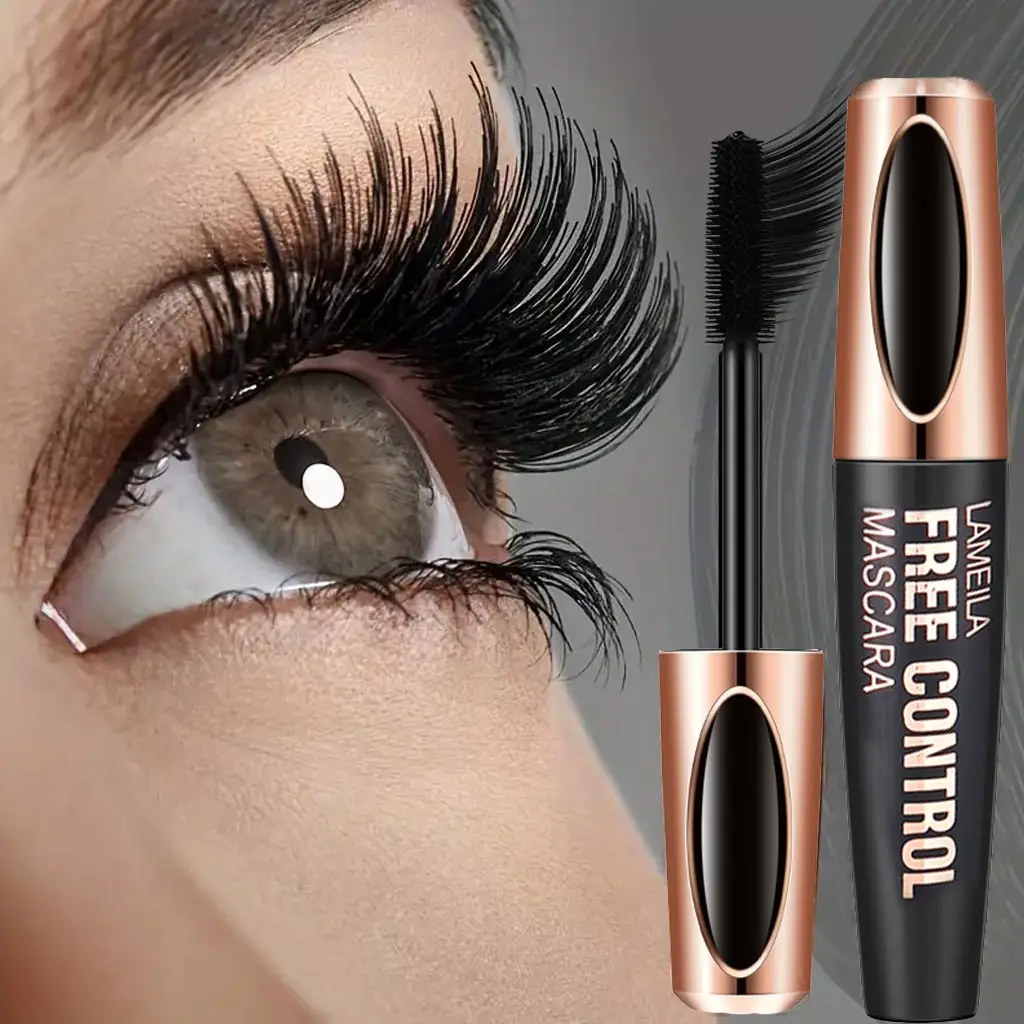
Recommended Makeup Tools


FAQ: Your undertone questions, answered
Can my undertone change with age or seasons?
Yes, but subtly. As collagen degrades with age, skin becomes more translucent, revealing underlying undertones more clearly. Seasonal changes in blood flow (e.g., winter pallor) can temporarily alter how veins or skin tone appear, but the underlying undertone remains consistent. If you notice a sudden shift, check for medication side effects (e.g., blood thinners increasing bruising) or hormonal changes (e.g., estrogen fluctuations affecting melanin production).
Do I need a different undertone for day vs. night makeup?
Not if your foundation is correctly matched. The difference between day and night lighting (cooler in daylight, warmer in incandescent light) can make a well-matched foundation appear slightly off, but the undertone itself doesn’t change. If you’re adjusting for lighting, opt for a slightly warmer or cooler setting powder instead of switching foundations.
What if I’m between undertones?
You’re likely neutral, but you may also have a dual undertone (e.g., cool with warm flecks). In these cases, look for foundations labeled “neutral” or “true tone.” If those don’t work, mix a cool and warm shade in a 60/40 ratio to create a custom match. Avoid leaning too warm or too cool; neutral foundations are formulated to bridge the gap without leaning into either extreme.
What This Means for You
- Undertones are biological signals, not just labels; warm undertones stem from pheomelanin, cool from oxyhemoglobin dominance.
- Test undertones in natural light using veins, jewelry, and white fabric to avoid artificial lighting distortions.
- Foundation shopping isn’t about the brand’s marketing, it’s about how the pigments interact with your skin’s light absorption.
- Neutral undertones require more precision; mismatches stand out more than on warm or cool skin.
- Seasonal changes or aging may subtly alter appearance, but undertones remain stable unless affected by external factors.
How this article was made
Researched and drafted with AI assistance, then screened by automated checks for originality, exaggerated claims and structure before publishing. No clinician reviewed it, and it is general information rather than medical advice. Read more at About us, or write to us if you spot an error.
Further Reading from Health Authorities
Advertising disclosure: the links below are affiliate links. We may earn a commission if you use them, at no extra cost to you. This does not change the article's content, and it is not a medical recommendation.
Browse makeup essentials on Amazon
Mineral foundations, brushes and makeup primers, as an Amazon category search. We have not tested individual products.