Many people with sensitive skin look for makeup that feels comfortable and looks natural.
The goal is to find products that minimize irritation while delivering the color and coverage you want.
Patch testing a new product on a small area of skin is a step advised by the FDA to check for adverse reactions U.S. Food and Drug Administration (Using Cosmetics Safely).
The FDA also provides a list of common allergens found in cosmetics U.S. Food and Drug Administration (Allergens in Cosmetics).
Fragrances, preservatives, and certain dyes appear frequently on that list.
Choosing products marked “fragrance‑free” and “dye‑free” lowers the chance of encountering those listed allergens.
Look for the term “non‑comedogenic” if you also want to avoid clogging pores.
Check the ingredient list for alcohol, which can be drying for some skin types.
Use a moisturizer or primer designed for sensitive skin before applying foundation.
Apply foundation in thin layers, building coverage only where needed.
Try a mineral‑based powder foundation, as many contain zinc oxide or titanium dioxide that sit on the skin’s surface.
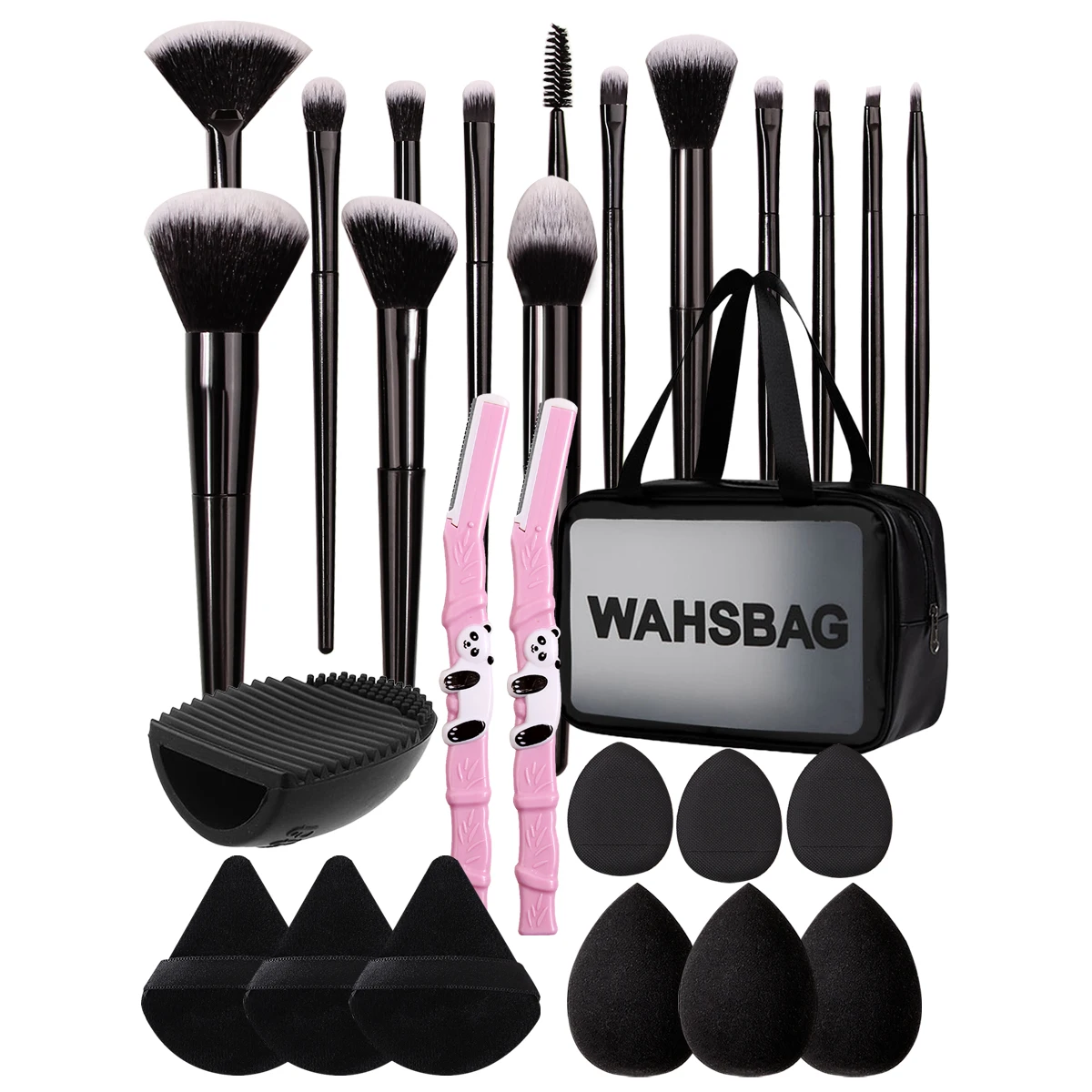
Keep makeup tools clean by washing brushes weekly with a gentle cleanser.
Note any redness, itching, or swelling after wear and discontinue the product if symptoms appear.
See a dermatologist if irritation persists, as they can help identify specific triggers.
Understanding Labels for Sensitive Skin
Understanding the meaning of common label claims helps you make quicker choices.
Terms like “hypoallergenic” are not regulated strictly, so rely on patch testing rather than the label alone.
Some brands provide a sensitivity‑tested guarantee, which means the product underwent limited trials on reactive skin.
Choose a shade that matches your undertone to avoid the need for heavy layering.
Look for packaging that protects the formula from air and light, which can degrade preservatives.
Apply a small amount to the jawline and wait a short while to see how the color adapts to your skin.
Try a satin or dewy finish if you prefer a natural glow without heavy powders.
Keep the product closed tightly after each use to limit exposure to bacteria.
Note any change in smell or texture, as that may indicate product breakdown.
See the product’s expiration date and discard it once passed.
Step‑by‑Step Routine for Sensitive Skin Makeup
- Start with a clean face, using a gentle cleanser suited to sensitive skin.
- Apply a fragrance‑free moisturizer and let it absorb briefly.
- Use a primer labeled for sensitive skin to create an even base.
- Dot foundation on the center of the face and blend outward with a damp sponge.
- Add concealer only where needed, tapping lightly to avoid dragging.
- Set with a lightweight mineral powder if shine appears, using a soft brush.
- Finish with a cream blush and lip balm that are fragrance‑free.
Remember to remove makeup at the end of the day with a mild, fragrance‑free cleanser.
Myth‑Busting: What Social Media Gets Wrong About Sensitive Skin Makeup
Myth: You must avoid all makeup if you have sensitive skin.
Fact: Many formulations are designed specifically for reactive skin and can be worn safely.
Myth: Natural or organic makeup is always gentler on sensitive skin.
Fact: Plant‑based ingredients can still contain fragrances or essential oils that trigger irritation.
Myth: You need expensive, luxury brands to get safe makeup for sensitive skin.
Fact: Drugstore lines often offer fragrance‑free, non‑comedogenic options that meet safety standards.
Keep these points in mind when you shop for new products.
FAQ: Quick Answers to Common Questions
Question: Can I use primer if my skin is easily irritated?
Answer: Choose a fragrance‑free, silicone‑based primer and patch test it first.
Question: Is mineral makeup better for sensitive skin than liquid foundations?
Answer: Mineral powders often contain fewer irritants, but check the label for added fragrances or bismuth oxychloride.
Question: How often should I replace my makeup to avoid irritation?
Answer: Replace liquid products regularly and powders on a regular schedule, or sooner if you notice changes in smell or texture.
The Bottom Line
In short, prioritize fragrance‑free, dye‑free, and non‑comedogenic labels, patch test new items, and keep your tools clean.
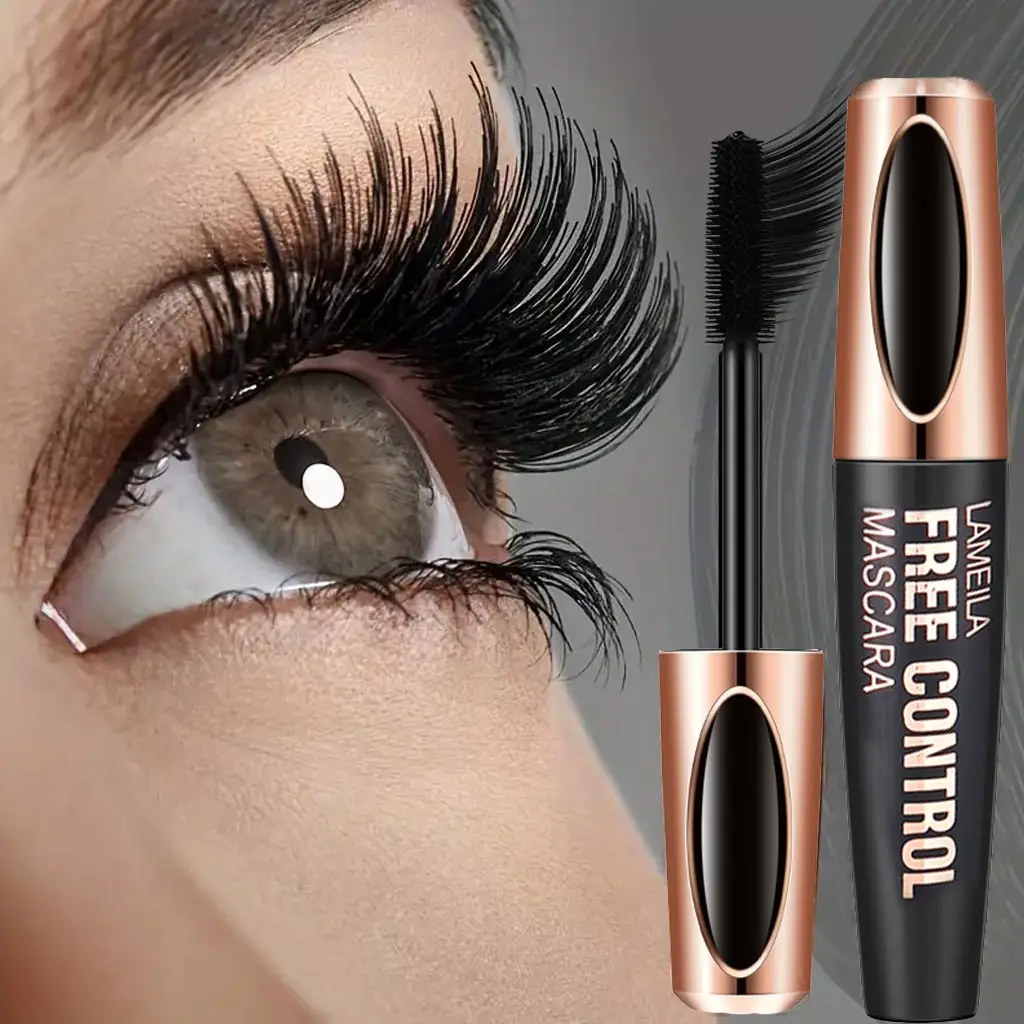
Recommended Makeup Tools

What to Remember
Here are the main points to keep in mind.
- Choose fragrance‑free, dye‑free, and non‑comedogenic products.
- Patch test any new cosmetic on a small skin area before full use.
- Keep brushes and sponges clean to prevent bacterial buildup.
- Replace liquid makeup regularly and powders on a regular schedule.
- Remove makeup each night with a gentle, fragrance‑free cleanser.
How this article was made
Researched and drafted with AI assistance, then screened by automated checks for originality, exaggerated claims and structure before publishing. No clinician reviewed it, and it is general information rather than medical advice. Read more at About us, or write to us if you spot an error.
Further Reading from Health Authorities
Advertising disclosure: the links below are affiliate links. We may earn a commission if you use them, at no extra cost to you. This does not change the article's content, and it is not a medical recommendation.
Browse makeup essentials on Amazon
Mineral foundations, brushes and makeup primers, as an Amazon category search. We have not tested individual products.