What primer actually does to your skin
Primer isn’t just a sticky layer between foundation and skin, it’s a molecular scaffold. The stratum corneum, your skin’s outermost brick-and-mortar barrier, isn’t a flat surface; it’s a textured world of ridges and valleys where makeup can pool or cling unevenly. A well-formulated primer fills those micro-gaps with silicone or polymer films that smooth the terrain before color cosmetics touch down. Without it, foundation settles into crevices, exaggerating texture rather than concealing it.
But not all primers work the same way. Silicone-based primers create a slippery, hydrophobic film that repels water, ideal for oily skin where sebum would otherwise break down foundation. Water-based primers, by contrast, hydrate the stratum corneum itself, plumping fine lines so they appear less pronounced. The choice isn’t about preference; it’s about matching the primer’s chemistry to your skin’s baseline hydration and lipid profile.
Consider the lipid matrix of your stratum corneum. Ceramides, cholesterol, and free fatty acids form a waterproof seal, but environmental stressors, UV exposure, low humidity, or over-cleansing, can disrupt this barrier. A primer with humectants like glycerin or sodium PCA temporarily restores osmotic balance, pulling water into the outer layers. This isn’t moisturizer replacement; it’s a tactical boost that lasts only as long as the primer film remains intact.
When primer becomes non-negotiable
Three skin conditions make primer less of a luxury and more of a necessity. First, mature skin with pronounced photodamage shows exaggerated texture under makeup. Second, oily-prone skin where sebum production peaks midday causes foundation to slide within hours. Third, rosacea or acne-prone skin often has compromised barrier function, making makeup adherence erratic.
In these cases, skipping primer isn’t just a minor misstep, it’s a guarantee of uneven wear. Foundation applied directly to a compromised barrier clings to dry patches while sliding off oily zones, creating a patchwork effect that no amount of powder can fix. The primer’s role here is structural: it bridges the gap between damaged skin and flawless finish.
The chemistry behind the curtain
Silicones like dimethicone and cyclopentasiloxane aren’t inert fillers. They form a breathable film that reduces transepidermal water loss by up to 30% in controlled studies, according to American Academy of Dermatology. This isn’t about suffocating the skin; it’s about creating a microenvironment where hydration is preserved long enough for makeup to perform.
Water-based primers often contain film formers like acrylates copolymer, which contract slightly as they dry, tightening the appearance of pores. This effect is temporary, lasting 4 to 6 hours, but measurable. For events where photography or prolonged wear is required, this contraction can mean the difference between a blurred pore and a blurred complexion.
Allergens are another factor. Some primers contain dimethicone crosspolymers or cyclotetrasiloxane, compounds that can trigger reactions in sensitive individuals. The FDA’s allergen database lists these as potential irritants, though incidence remains low. Patch testing a new primer on the jawline for 48 hours before full-face application is the only way to rule out sensitivity.
Where people go wrong with primers
Mistake 1: Using the wrong type for your skin. Applying a silicone primer to dry skin traps flakes under a waterproof film, making texture worse. Conversely, a water-based primer on oily skin can dilute sebum, causing foundation to slide prematurely. The fix? Match the primer’s base to your skin’s dominant concern, hydration or oil control.
Mistake 2: Skipping the prep. Primer isn’t a substitute for moisturizer. Applying it to bare skin without prior hydration leads to uneven absorption. The primer’s film former needs a hydrated stratum corneum to adhere to; otherwise, it beads up like water on a waxed car. Apply moisturizer, wait 60 seconds for absorption, then follow with primer.
Mistake 3: Over-applying. A pea-sized amount of primer is enough for the entire face. Doubling the dose doesn’t double the effect, it creates a thick, unnatural film that makes foundation look cakey. Less is more when it comes to silicone-based formulas.
Mistake 4: Ignoring expiration dates. Primers, like all cosmetics, degrade. Silicone-based formulas can separate or become gritty; water-based ones may grow bacteria. The FDA recommends discarding products past their shelf life, typically 12 months for opened containers. Old primer doesn’t just underperform, it can clog pores.
How to test if you truly need primer
Start with a bare-face test. Apply foundation alone to one cheek and primer + foundation to the other. Wait two hours. If the cheek without primer shows visible texture, creasing, or oil slicks, primer is necessary. If both sides remain uniform, your skin’s barrier is intact enough to skip it.
For oily skin, look for primers labeled “blurring” or “matte.” These contain silica or nylon-12, which absorb excess sebum without drying the skin. For dry skin, seek hydrating primers with hyaluronic acid or aloe vera. For combination skin, a silicone-water hybrid primer bridges the gap.
One exception: if you’re using a tinted moisturizer or BB cream, primer is redundant. These formulas are designed to melt into the skin’s natural texture. Adding a separate primer on top creates a sandwich effect that can emphasize dryness.
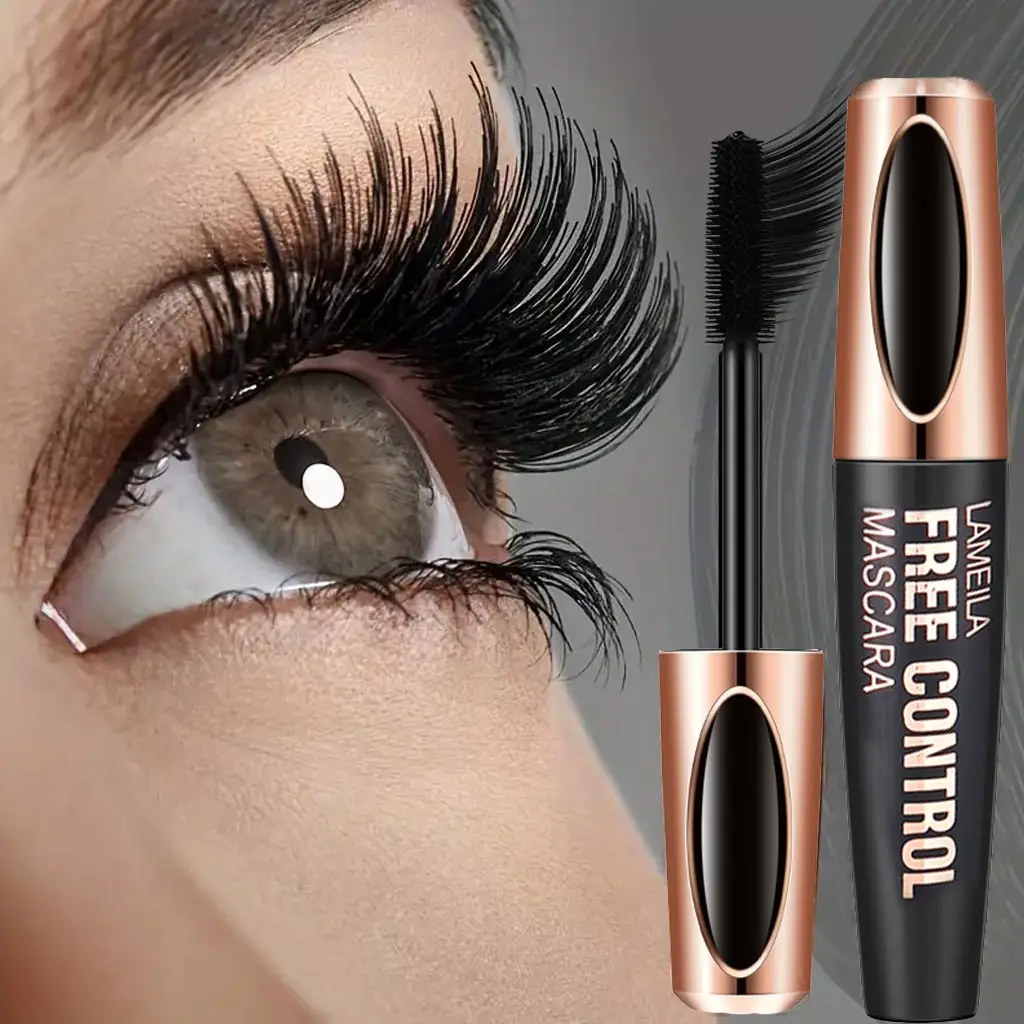
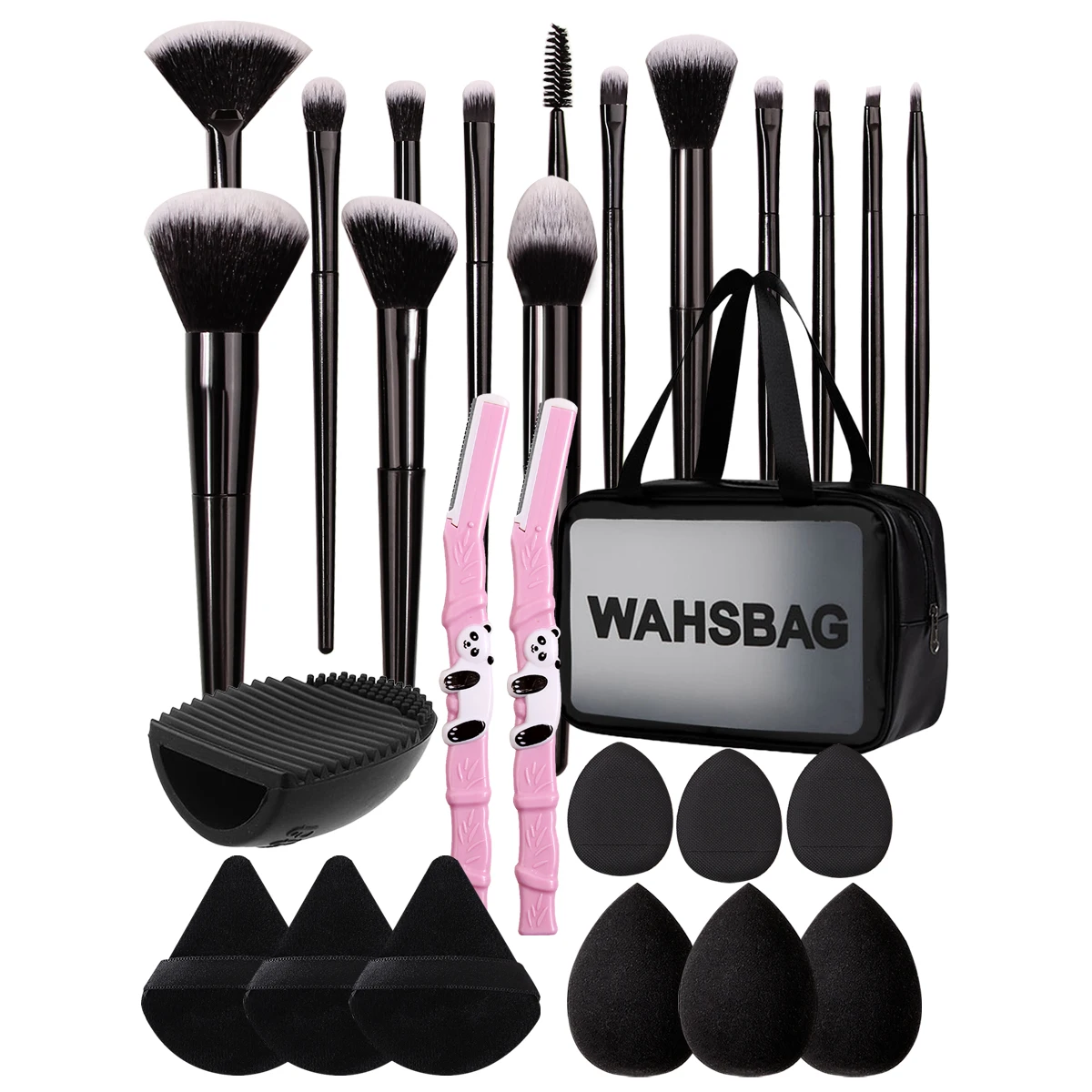
Recommended Makeup Tools

What this means for you
Primer isn’t a vanity step, it’s a precision tool. Its necessity hinges on three variables: your skin’s barrier integrity, your foundation’s finish, and the environmental conditions you’ll face. In controlled indoor settings with minimal humidity, primer’s benefits shrink. Outdoors in wind or heat, they expand.
If you’re spending more than four hours in makeup, primer isn’t optional, it’s the difference between a flawless finish and a compromised one. For shorter wear times, it’s a strategic upgrade, not a requirement.
Start with a single-use sample. Apply it to one side of your face for a week. Observe texture retention, oil control, and overall wear. If the difference is negligible, your skin’s natural barrier is doing the heavy lifting. If not, primer becomes a non-negotiable ally.
Before you go
Primer’s role is often oversimplified as a “smoothing” step, but its function is far more nuanced. It’s a temporary scaffold for a compromised barrier, a sebum sponge for oily skin, or a hydration lock for dry complexions. The key isn’t in the product itself, but in how it interacts with your skin’s unique chemistry.
If you’ve been skipping primer out of habit or skepticism, the test is simple: compare. One side of your face with, one without. The proof isn’t in the marketing, it’s in the wear time.
Further Reading from Health Authorities
How this article was made
Researched and drafted with AI assistance, then screened by automated checks for originality, exaggerated claims and structure before publishing. No clinician reviewed it, and it is general information rather than medical advice. Read more at About us, or write to us if you spot an error.
Advertising disclosure: the links below are affiliate links. We may earn a commission if you use them, at no extra cost to you. This does not change the article's content, and it is not a medical recommendation.
Browse makeup essentials on Amazon
Mineral foundations, brushes and makeup primers, as an Amazon category search. We have not tested individual products.