
The Thyroid-Weight Connection: What Happens When Metabolism Slows Down
The thyroid gland, a small, butterfly-shaped organ in the neck, produces hormones that act as the body’s metabolic thermostat. When these hormones fall out of balance, even subtle shifts can influence weight regulation, energy levels, and overall health. Understanding how thyroid dysfunction affects metabolism requires examining the interplay between hormone production, cellular energy use, and behavioral responses to energy deficits.
How Thyroid Hormones Govern Metabolism
Thyroid hormones, primarily thyroxine (T4) and its more active form, triiodothyronine (T3), regulate the rate at which cells convert nutrients into energy. T3 binds to receptors in nearly every tissue, increasing mitochondrial activity and oxygen consumption. This process, known as thermogenesis, generates heat and supports vital functions like digestion, heart rate, and muscle contraction.
When thyroid hormone levels decline, whether due to autoimmune damage, iodine deficiency, or other factors, cellular energy production slows. The body compensates by reducing non-essential functions, which can manifest as fatigue, cold intolerance, and a slower resting metabolic rate (RMR). Even mild reductions in thyroid function, such as in subclinical hypothyroidism, are associated with measurable decreases in resting metabolic rate and potential weight gain over time.
Beyond the Scale: How Hypothyroidism Alters Weight Regulation
Weight changes linked to thyroid dysfunction are not solely about calories in versus calories out. Instead, they reflect a cascade of physiological adjustments:
- Appetite and satiety signals: Thyroid hormones influence hormones like ghrelin (which stimulates hunger) and leptin (which signals fullness). Low thyroid activity may increase appetite while reducing the brain’s sensitivity to satiety cues, leading to overeating despite lower energy needs.
- Muscle efficiency: Hypothyroidism reduces muscle protein synthesis, leading to weaker muscle contractions and lower non-exercise activity thermogenesis (NEAT), the calories burned through daily movement like fidgeting or walking. Over time, this can contribute to a gradual decline in total daily energy expenditure.
- Water retention: Thyroid hormones help regulate fluid balance. When levels drop, the body may retain more sodium and water, adding temporary weight that is not fat. This can obscure true fat loss during weight management efforts.
- Gut function: Thyroid hormones modulate gut motility. Hypothyroidism often slows digestion, increasing transit time and nutrient absorption, which may further influence weight changes.
These mechanisms underscore why weight loss can feel disproportionately difficult for individuals with untreated thyroid dysfunction, even when diet and exercise remain consistent.
Hashimoto’s Thyroiditis: The Most Common Cause of Hypothyroidism
In developed countries, Hashimoto’s thyroiditis, an autoimmune disorder, accounts for the majority of hypothyroidism cases. The immune system mistakenly attacks thyroid tissue, gradually reducing hormone production. Unlike temporary thyroiditis (e.g., postpartum or viral-induced), Hashimoto’s is chronic and often requires lifelong management with levothyroxine or other thyroid medications.
Diagnosis typically involves blood tests measuring thyroid-stimulating hormone (TSH), free T4, and thyroid antibodies (like TPOAb). However, subclinical hypothyroidism, elevated TSH with normal T4, can still impact metabolism and may warrant treatment depending on symptoms and risk factors.
Can Diet and Lifestyle Counteract a Slow Metabolism?
While diet alone cannot reverse thyroid dysfunction, certain nutritional strategies may help optimize hormone production and metabolic efficiency. The Mediterranean diet, rich in whole grains, lean proteins, healthy fats, and vegetables, supports thyroid health by providing iodine, selenium, zinc, and antioxidants, nutrients essential for hormone synthesis and immune regulation (Source: Harvard T.H. Chan School of Public Health).
Key dietary considerations include:
- Iodine balance: Both deficiency and excess can impair thyroid function. Iodized salt, seafood, and dairy are primary sources, but supplementation should be approached cautiously without medical guidance.
- Selenium and zinc: These minerals support T4-to-T3 conversion. Brazil nuts (high in selenium) and pumpkin seeds (rich in zinc) are practical dietary additions.
- Goitrogens: Compounds in raw cruciferous vegetables (e.g., broccoli, kale) may interfere with iodine uptake in large quantities. Cooking reduces their goitrogenic effect, making them safe for most people.
- Gluten and autoimmunity: Some evidence suggests a link between gluten sensitivity and Hashimoto’s, though research is not conclusive. For individuals with confirmed gluten intolerance, elimination may reduce antibody levels and inflammation.
Lifestyle factors also play a role. Chronic stress elevates cortisol, which can suppress TSH secretion and exacerbate hypothyroid symptoms. Prioritizing sleep, managing stress through mindfulness or gentle exercise, and avoiding excessive calorie restriction are critical for metabolic resilience.
Myth: Thyroid Dysfunction Always Causes Rapid Weight Gain
A common misconception is that hypothyroidism leads to dramatic, unexplained weight gain. In reality, the average weight increase is modest, typically 5 to 10 pounds, though individual responses vary. More significant changes often reflect a combination of factors: reduced NEAT, increased appetite, water retention, and lifestyle adjustments during symptomatic periods.
In addition,, not all weight changes in thyroid dysfunction are fat-related. Fluid retention, for example, can account for several pounds that are not adipose tissue. This distinction is important for setting realistic expectations and avoiding unnecessary frustration during treatment.
When to Seek Medical Evaluation
Thyroid dysfunction often develops gradually, making symptoms easy to dismiss as stress or aging. Persistent fatigue, unexplained weight changes, hair loss, dry skin, and cold intolerance warrant a blood test to assess TSH, free T4, and thyroid antibodies. Early intervention can prevent complications like cardiovascular strain or metabolic syndrome.
It’s also important to recognize that thyroid medication (e.g., levothyroxine) must be taken consistently and at the correct dose. Absorption can be affected by other medications, supplements (like calcium or iron), and even certain foods. Regular monitoring ensures hormone levels remain within the optimal range for individual needs.
FAQ: Addressing Common Questions
Does correcting hypothyroidism guarantee weight loss?
Not necessarily. While thyroid hormone replacement can restore metabolic rate and energy levels, weight loss still depends on creating a sustainable calorie deficit. Some individuals may lose weight more easily after treatment, while others may need to address additional factors like diet quality, sleep, or stress.
Can exercise overcome a slow metabolism from hypothyroidism?
Exercise supports metabolic health by increasing muscle mass and NEAT, but it cannot fully compensate for severe thyroid hormone deficiency. Strength training and aerobic activity are beneficial, though intensity should be adjusted based on energy levels. Consistency matters more than intensity for long-term metabolic benefits.
Are there natural remedies that can replace thyroid medication?
No. While lifestyle changes can complement medical treatment, they cannot reverse autoimmune destruction of the thyroid or restore hormone production in cases of permanent dysfunction. Natural approaches may help manage symptoms but should never replace prescribed medication without medical supervision.
How long does it take to see metabolic improvements after starting treatment?
Symptom relief often begins within weeks, but full metabolic adaptation may take months. Thyroid hormones have a half-life of about 7 days, so steady-state levels are typically achieved after 4 to 6 weeks. Regular follow-up with a healthcare provider ensures dosing adjustments align with individual needs.
What Matters Most
- Thyroid hormones regulate cellular energy use. Lower levels slow metabolism, affecting appetite, muscle function, and fluid balance.
- Hashimoto’s thyroiditis is the leading cause of hypothyroidism. Autoimmune destruction of thyroid tissue requires lifelong management in most cases.
- Diet and lifestyle support thyroid health. Nutrients like selenium and zinc, along with stress management and sleep, optimize hormone function and metabolic efficiency.
- Weight changes from hypothyroidism are often modest. Fluid retention, reduced NEAT, and increased appetite contribute more than fat gain alone.
- Thyroid medication must be taken correctly. Absorption can be affected by timing, diet, and other medications, necessitating regular monitoring.
Advertising disclosure: the links below are affiliate links. We may earn a commission if you use them, at no extra cost to you. This does not change the article's content, and it is not a medical recommendation.
Recommended Health & Fitness Gear

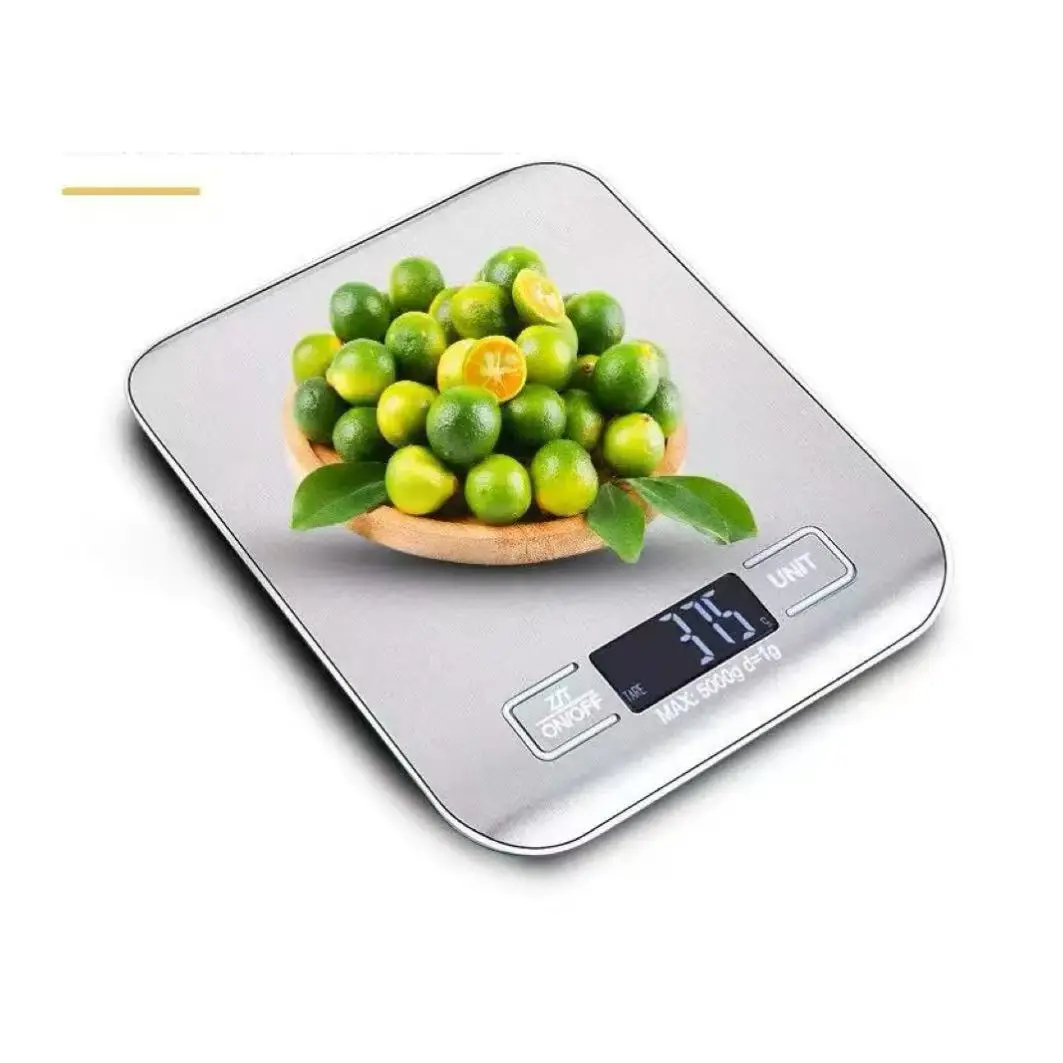


Browse kitchen and portion tools on Amazon
Food scales, portion containers and measuring sets, as an Amazon category search. We have not tested individual products.