Portion Control Mistakes That Are Sabotaging Your Weight Loss
Portion control is often touted as the cornerstone of weight management, yet many people unknowingly undermine their efforts with subtle missteps. The issue isn’t just about eating less, it’s about understanding how food volume, energy density, and appetite regulation interact within the body. Misjudging portion sizes can lead to a, even when the foods chosen are nutritious. The challenge lies in the gap between perception and reality: most individuals underestimate how much they eat by 20 to 40 percent, particularly when dining out or consuming processed foods.
Mistake 1: Relying on Visual Cues Alone
Visual portion guides, like the palm-sized protein rule or the fist-sized carb method, are useful starting points, but they’re not infallible. People who use visual references still tend to overestimate serving sizes substantially when eating from larger plates or in social settings. The problem intensifies with energy-dense foods like nuts, cheese, or dried fruit, where a single "handful" can easily double or triple the intended calorie load. This discrepancy is compounded by the fact that portion sizes in restaurants have expanded dramatically over the past 50 years, with some entrees now delivering four to six times the calories of their 1950s counterparts.
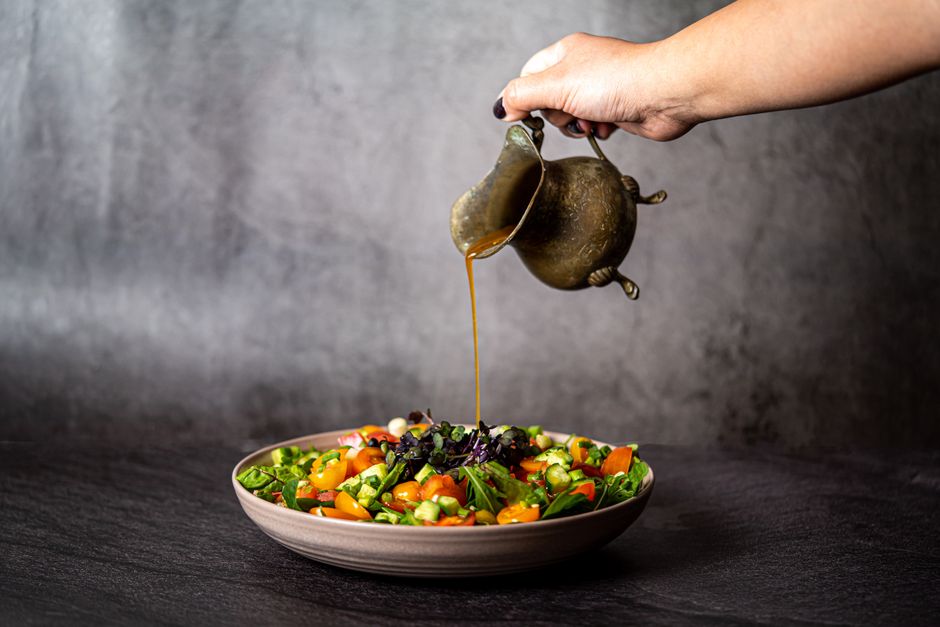
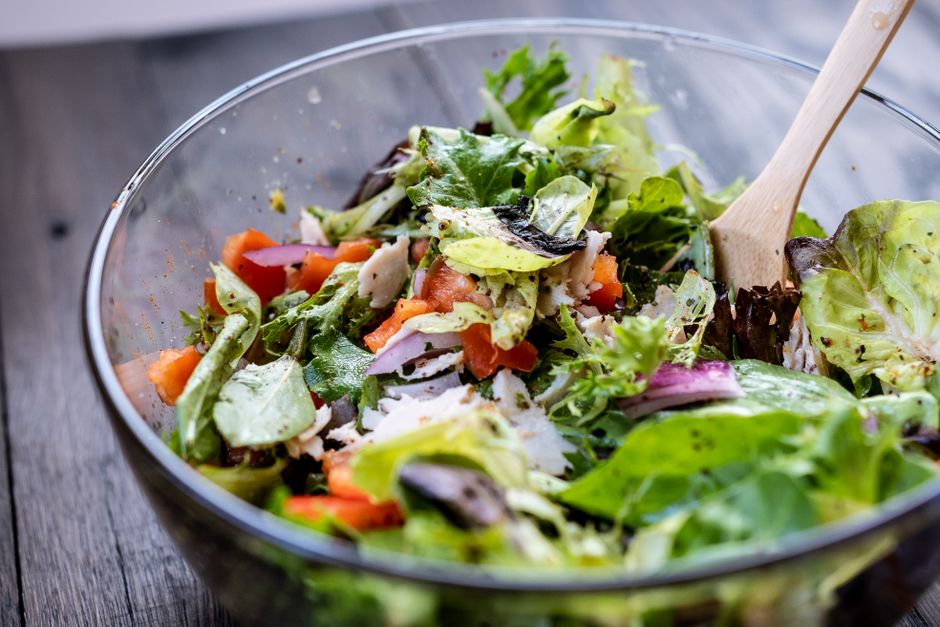
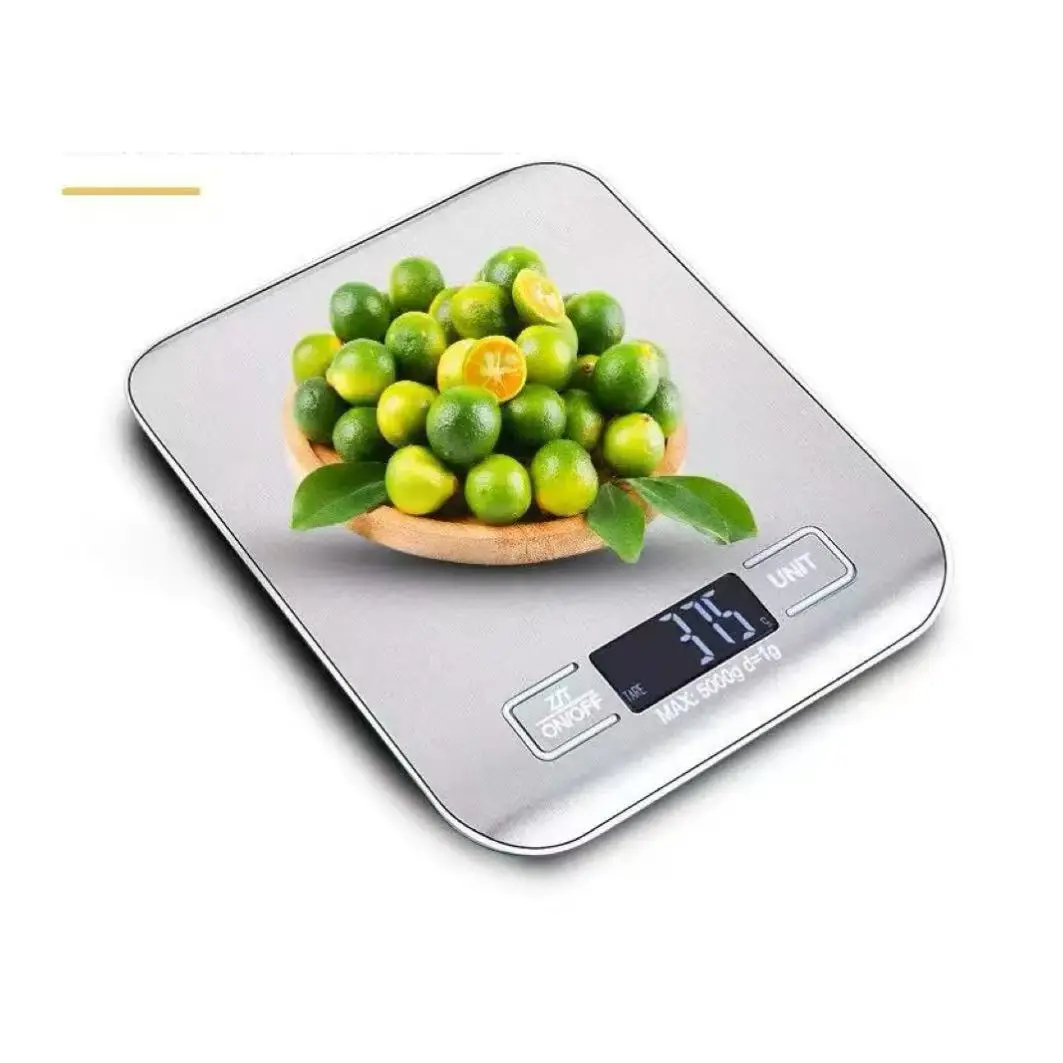
To counteract this, pair visual cues with objective measurements. For example, using a food scale for a week to calibrate your sense of portion size can recalibrate long-term habits. The Harvard Healthy Eating Plate suggests that half the plate should consist of vegetables and fruits, a quarter lean protein, and a quarter whole grains, a framework that removes much of the guesswork.
Mistake 2: Ignoring Liquid Calories
Beverages contribute up to 20 percent of daily calorie intake for many adults, yet their caloric content is often overlooked. Sweetened coffees, fruit juices, and alcoholic drinks can deliver hundreds of calories without triggering satiety signals. Liquid calories are reliably less satiating than solid food, which invites passive overconsumption. For instance, a 16-ounce sugar-sweetened soda contains roughly 200 calories and 50 grams of added sugar, equivalent to 17 packets, yet it doesn’t reduce subsequent food intake proportionally.
Water remains the gold standard for hydration, but unsweetened tea and black coffee are also low-calorie options. When alcohol is consumed, alternating with water and choosing lower-calorie options like dry wine or spirits mixed with soda water can mitigate excess intake. The Mayo Clinic recommends limiting added sugars to less than 10 percent of daily calories, a target that becomes harder to meet when liquid calories are unaccounted for (Mayo Clinic Nutrition Guide).
Mistake 3: Eating Straight from the Package
Mindless eating is a well-documented phenomenon. People consume 20 to 25 percent more when food is served in large, opaque containers compared to smaller, transparent ones. The act of portioning food onto a plate or bowl creates a psychological boundary that reduces intake. This effect is particularly pronounced with snacks like chips, crackers, or nuts, where the serving size is often smaller than the package suggests.
To combat this, divide snacks into single-serving containers or use smaller dishes. Classic food-lab experiments show people eat far more candy from a large bowl than a small one, with no difference in hunger. The lesson is clear: the container influences consumption more than the food itself.
Mistake 4: Skipping Protein and Fiber at Meals
Protein and fiber are the body’s primary satiety signals. Meals higher in protein and fiber reliably blunt appetite for hours afterward. Yet many portion-controlled diets inadvertently skimp on these nutrients by prioritizing low-volume, high-calorie foods like crackers or granola. For example, a 100-calorie pack of crackers may contain only 2 grams of protein and 1 gram of fiber, while the same calorie load from Greek yogurt and berries could provide 15 grams of protein and 6 grams of fiber.
The solution lies in structuring meals around whole foods. The Harvard Healthy Eating Plate emphasizes lean proteins and high-fiber vegetables as foundational elements. For those tracking portions, aim for at least 20 to 30 grams of protein per meal and 5 to 10 grams of fiber, adjusting based on individual needs and activity levels.
Mistake 5: Overestimating Exercise Compensation
One of the most persistent myths in weight management is the belief that exercise can offset dietary indiscretions. While physical activity is essential for overall health, it rarely burns enough calories to justify overeating. A 30-minute jog at a moderate pace burns approximately 250 to 300 calories, roughly the amount in a single slice of pizza. In addition,, exercise can stimulate appetite, leading some individuals to consume more calories post-workout than they burned.
Relying on exercise to "earn" food often leads to a net neutral or even positive energy balance. The key is to view exercise as a tool for metabolic health and stress reduction rather than a calorie counter. The Mayo Clinic notes that sustainable weight loss requires a combination of dietary changes and physical activity, with diet playing the dominant role in calorie reduction (Mayo Clinic Nutrition Guide).
Debunking the Myth: "Small, Frequent Meals Prevent Overeating"\
Contrary to popular belief, eating small, frequent meals does not inherently promote weight loss. The research comparing three meals a day with six or more finds no meaningful difference in weight loss. The critical factor is total calorie intake, not meal frequency. For some, grazing can lead to increased snacking and difficulty tracking portions, while others may find that structured meals reduce cravings. The approach should be individualized based on hunger cues, lifestyle, and metabolic response.
Appetite hormones like ghrelin and leptin play a role in meal timing, but their influence is highly variable. Ghrelin, which stimulates hunger, peaks before meals and declines after eating, but its levels are also affected by sleep, stress, and meal composition. Leptin, which signals satiety, can become less effective in individuals with obesity due to leptin resistance. Therefore, rigidly adhering to a meal schedule may not be beneficial for everyone.
Recommended Health & Fitness Gear



Practical Strategies for Sustainable Portion Control
- Use the "Plate Method": Fill half the plate with non-starchy vegetables, a quarter with lean protein, and a quarter with whole grains or starchy vegetables. This approach simplifies portioning and ensures balanced nutrition.
- Pre-Portion Snacks: Divide snacks into single-serving containers to avoid eating directly from the package. This reduces mindless consumption and helps track intake.
- Measure Once, Learn Forever: Weigh and measure food for a week to develop an intuitive sense of portion sizes. Over time, this calibration reduces the need for constant tracking.
- Prioritize Protein and Fiber: Include a source of lean protein and high-fiber foods in every meal to enhance satiety and reduce cravings.
- Hydrate Before Meals: Drinking a glass of water 10 to 15 minutes before eating can reduce appetite and prevent overeating.
FAQs
Does eating slowly really help with portion control?
Yes, but the effect is modest and context-dependent. Slower eaters tend to take in modestly fewer calories per meal, likely because satiety signals get time to register. However, the benefit diminishes if meals are rushed due to distractions like television or smartphones. Mindful eating, focusing on the sensory experience of food, may enhance this effect by improving awareness of fullness cues.
Are portion-controlled diets effective for long-term weight maintenance?
Portion control is a useful tool for weight loss, but its effectiveness for long-term maintenance depends on adherence and behavioral strategies. People who keep weight off over the long haul usually pair portion control with regular self-weighing, meal planning, and physical activity. The key is to integrate portion awareness into a broader lifestyle rather than treating it as a temporary fix.
How do I portion food when eating out?
Restaurant portions often exceed recommended serving sizes by 200 to 500 percent. To navigate this, consider splitting an entree with a dining partner, ordering from the children’s menu, or immediately boxing half the meal for later. The Harvard Healthy Eating Plate suggests visualizing a deck of cards for protein and a hockey puck for starches to estimate appropriate portions.
Can portion control work for people with metabolic conditions like diabetes?
Yes, but it requires careful coordination with carbohydrate intake. The American Diabetes Association recommends using the plate method to balance meals and monitoring portion sizes of high-carb foods like rice, pasta, and fruit. For individuals on insulin or other medications, consistent portion sizes can help stabilize blood sugar levels. However, it’s essential to consult a healthcare provider or registered dietitian to tailor portion control to specific metabolic needs.
What This Means for You
- Portion control is less about eating less and more about eating appropriately for your body’s needs.
- Visual cues are helpful but unreliable; pairing them with objective measurements improves accuracy.
- Liquid calories and mindless eating are major contributors to overconsumption.
- Protein and fiber are critical for satiety and should be prioritized in every meal.
- Exercise complements but does not replace dietary portion control.
- Meal frequency and timing are less important than total calorie intake and food composition.
Advertising disclosure: the links below are affiliate links. We may earn a commission if you use them, at no extra cost to you. This does not change the article's content, and it is not a medical recommendation.
Browse kitchen and portion tools on Amazon
Food scales, portion containers and measuring sets, as an Amazon category search. We have not tested individual products.