Metabolism isn’t broken—it’s just misunderstood
I used to think my metabolism was some kind of mystical force that either worked for me or against me. Like it was a magic switch I could flip to burn fat effortlessly. Spoiler alert: it’s not. Metabolism is just a fancy word for all the chemical processes your body uses to turn food into energy. And yes, it can slow down—but not because it’s ‘broken.’ Usually, it’s just reacting to habits, stress, or even small changes in routine.
I remember hitting a wall after months of eating ‘perfectly’ and working out like clockwork. The scale barely budged, and I felt sluggish all the time. Turns out, my metabolism had adapted to my routine—it wasn’t broken, but it wasn’t thriving either. The good news? Small tweaks can help it bounce back without extreme measures.
Why your metabolism might feel stuck
First, let’s talk about the obvious culprits: dieting too hard or not eating enough. When you slash calories too aggressively, your body goes into ‘starvation mode’—a survival tactic that slows down calorie burning to conserve energy. I’ve been there, restricting myself to 1,200 calories a day only to feel exhausted and hangry by 3 PM. Not fun.
Then there’s muscle loss. If you’re not strength training, you’re losing muscle mass over time, and muscle burns more calories at rest than fat does. I learned this the hard way when I swapped my dumbbells for extra cardio sessions and noticed the scale wasn’t changing even though I was ‘working out more.’
Sleep and stress play huge roles too. Poor sleep disrupts hunger hormones like ghrelin and leptin, making you crave more food. And chronic stress floods your body with cortisol, which can lead to fat storage—especially around the belly. I once pulled an all-nighter for work and the next day, I couldn’t stop snacking on chips and chocolate. Not proud of it, but it’s a real thing.
How to give your metabolism a gentle nudge
You don’t need to overhaul your life to see changes. Start with these realistic tweaks:
- Eat enough protein. Aim for about 20–30 grams per meal to support muscle repair and keep you full. Think eggs, Greek yogurt, or grilled chicken. I keep hard-boiled eggs in my fridge for easy snacks when I’m too busy to cook.
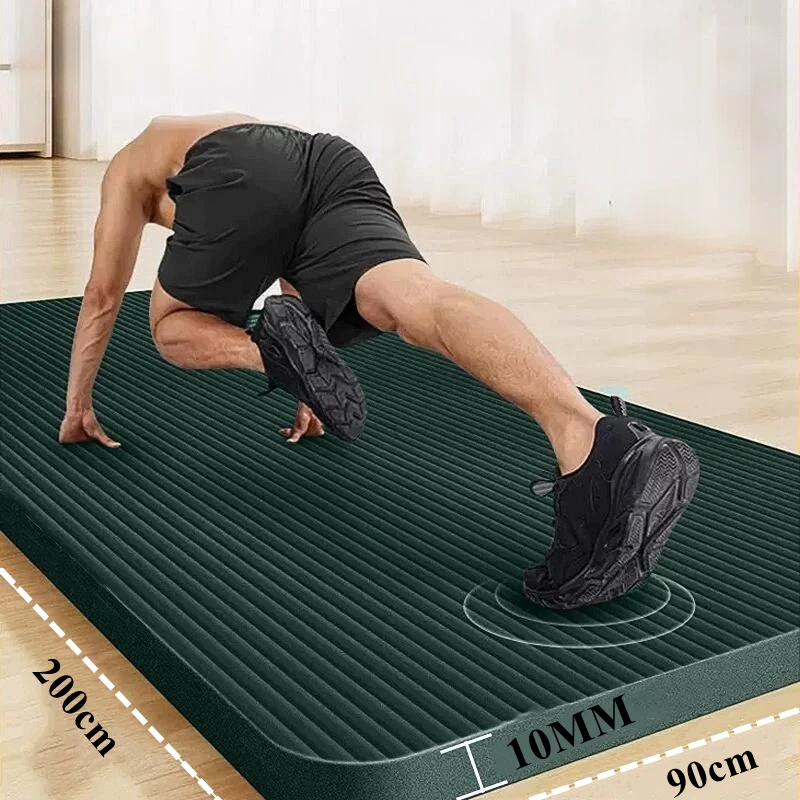
- Lift weights (even lightly). Strength training doesn’t have to mean heavy dumbbells. Bodyweight exercises like squats or push-ups work too. I started with 10-minute sessions while watching TV—no gym required.
- Prioritize sleep. Aim for 7–9 hours. If that’s not happening, try winding down with a book instead of screens an hour before bed. I use a sleep mask now, and it’s made a noticeable difference.
- Move more in daily life. Walk after meals, take the stairs, or stand while working. I park farther away at the grocery store now—small changes add up.
- Don’t fear carbs. Cutting them out entirely can backfire. Instead, focus on fiber-rich options like sweet potatoes or quinoa. Carb cycling helped me find a balance without feeling deprived.
Another trick? Eat consistently. Skipping meals or going too long without food can signal your body to slow down its calorie burn. I used to skip breakfast ‘to save calories,’ but then I’d overeat at lunch and feel sluggish. Now I start my day with oatmeal or avocado toast—no guilt, just fuel.
When to worry (and when to relax)
If you’re eating well, sleeping enough, and moving regularly but still feel stuck, it might be worth checking in with a doctor. Thyroid issues, for example, can slow metabolism, but they’re usually manageable with the right treatment. I had a friend who was exhausted for months before discovering her thyroid needed a little help—now she’s back to feeling like herself.
But if you’re just feeling a little blah after a busy season or a vacation, give yourself grace. Metabolism isn’t a race; it’s a marathon. Small, sustainable habits will always win over quick fixes.
FAQs about metabolism
Does eating spicy food really boost metabolism?
Spicy foods like chili peppers contain capsaicin, which can temporarily increase calorie burning by about 5–10%. But don’t expect miracles—a single jalapeño isn’t going to cancel out a slice of pizza. It’s more of a fun side effect than a solution.
Can drinking cold water help me burn more calories?
Your body uses a tiny bit of energy to warm up cold water, but the effect is minimal—around 8–10 extra calories per glass. Still, staying hydrated is key for overall metabolism, so keep sipping. Water is a simple but powerful tool.
Why do I feel hungrier in winter?
Colder temperatures can increase appetite as your body works harder to stay warm. Plus, shorter days mess with hormones like serotonin, which affects cravings. I crave hearty soups and stews in winter—it’s natural, so I don’t fight it.
Key takeaways
- Metabolism slows down for real reasons—like dieting too hard or not sleeping enough—not because it’s ‘broken.’
- Small habits (protein, strength training, sleep) make a bigger difference than extreme measures.
- If you’re doing everything right but still stuck, check in with a doctor—thyroid issues or other factors might be at play.
- Consistency beats perfection. One ‘bad’ day won’t ruin your progress.
Scientific References & Authority Sources
Recommended Health & Fitness Gear