
Menopause Weight Gain Isn't Your Fault, Here's What Actually Works
Many women notice a gradual increase in weight during midlife, often attributing it to personal failure. Research shows that hormonal changes, aging, and lifestyle factors combine to shift energy balance, making weight maintenance more challenging. Understanding these physiological drivers helps replace blame with actionable strategies.
What Happens to Hormones and Metabolism
During perimenopause and menopause, estrogen levels decline while follicle‑stimulating hormone rises. This shift influences fat distribution, often leading to more abdominal storage. At the same time, basal metabolic rate tends to drop modestly because of age‑related loss of lean muscle.
Lower estrogen can affect appetite regulation, increasing cravings for high‑carbohydrate foods. Sleep disturbances, which are common in this stage, further disrupt leptin and ghrelin signaling, making hunger cues less reliable.
Myth Busting: Cardio Alone Will Solve the Problem
A widespread belief is that endless hours of aerobic exercise will melt away menopause‑related weight gain. While cardio improves cardiovascular health, it does not preserve the lean muscle that drives resting metabolism.
Strength training, performed two to three times per week, helps maintain muscle mass and supports better glucose control. Combining resistance work with moderate aerobic activity yields the most favorable body‑composition outcomes.
Evidence‑Based Nutrition Foundations
A balanced plate that emphasizes vegetables, lean proteins, whole grains, and healthy fats supports satiety and nutrient density. The Harvard Healthy Eating Plate offers a visual guide that aligns with these principles.
Protein intake of roughly 0.8‑1.0 grams per kilogram of body weight per day helps preserve muscle, especially when paired with resistance training. Spreading protein across meals improves utilization.
Fiber‑rich foods such as legumes, fruits, and vegetables promote fullness and steady blood glucose. Limiting refined sugars and excessive alcohol reduces empty‑calorie intake that can contribute to weight gain.
Hydration needs vary; drinking water when thirsty and choosing fluids that do not add extra calories supports metabolic processes. The Mayo Clinic Nutrition Guide notes that individual factors like activity level and climate influence optimal fluid intake.
Four nutrients come up again and again in menopause nutrition: phytoestrogens, calcium, vitamin D, and omega‑3 fatty acids. Calcium and vitamin D carry the most weight of the four, because falling oestrogen speeds up bone loss at exactly the age when intake often drops.
Lifestyle Factors That Influence Weight
Sleep quality affects hormones that regulate hunger. Poor sleep elevates ghrelin and reduces leptin, increasing appetite. Aim for 7‑9 hours of uninterrupted sleep; keep the bedroom cool, dark, and free of screens before bedtime.
Chronic stress can raise cortisol, which may increase cravings for comfort foods. Stress‑reduction techniques such as deep breathing, mindfulness, or gentle yoga help lower stress hormones. Even brief daily pauses can improve eating behaviors.
Alcohol provides empty calories and can impair judgment around food choices. Limiting intake to moderate levels, up to one drink per day for women, reduces excess energy intake. Choosing lower‑calorie options like wine spritzers or sparkling water with a splash of fruit keeps social enjoyment without derailing goals.
Seven‑Day Action Plan
Implementing small, evidence‑based changes each day builds momentum toward lasting results.
- Day 1: Assess current eating habits; write down meals and snacks for three days.
- Day 2: Add a source of lean protein to each meal (e.g., eggs, tofu, fish, poultry).
- Day 3: Include at least two cups of non‑starchy vegetables at lunch and dinner.
- Day 4: Perform a 20‑minute full‑body strength routine (bodyweight squats, push‑ups, rows, plank).
- Day 5: Replace sugary beverages with water, herbal tea, or sparkling water with a splash of citrus.
- Day 6: Take a 30‑minute brisk walk after dinner to aid digestion and improve sleep quality.
- Day 7: Review your food log; identify one pattern to adjust (e.g., late‑night snacking) and set a specific goal for the next week.
Repeat the cycle, gradually increasing resistance weight or duration as comfort allows. Consistency over weeks yields measurable changes in body composition and energy levels.
Frequently Asked Questions
Q1: Does menopause inevitably cause weight gain?Not inevitable. Hormonal shifts increase the tendency to gain fat, especially around the abdomen, but lifestyle choices determine the outcome. Women who maintain adequate protein, engage in strength training, and manage sleep often see stable weight.
Q2: Are there specific foods that boost metabolism during menopause?No food can dramatically raise resting metabolic rate. However, protein‑rich meals have a higher thermic effect, meaning the body uses more energy to digest them. Including protein at each meal supports muscle maintenance, which sustains metabolism.
Q3: How much exercise is enough to counteract menopausal weight changes?Aim for at least 150 minutes of moderate aerobic activity per week, plus two sessions of strength training targeting major muscle groups. This combination preserves lean mass, improves insulin sensitivity, and aids appetite regulation.
Q4: Should I avoid carbohydrates entirely?Carbohydrates are not the enemy. Choose high‑fiber, whole‑grain sources like quinoa, oats, and legumes, and pair them with protein and fat to blunt glucose spikes. Extreme restriction can lead to nutrient deficiencies and is harder to sustain long term.
Putting It All Together
- Menopause alters hormone levels, leading to a predisposition for abdominal fat gain, but weight change is not predetermined.
- Preserving lean muscle through resistance training is essential for maintaining a healthy metabolic rate.
- A diet rich in vegetables, lean protein, whole grains, and healthy fats, guided by the Harvard Healthy Eating Plate, supports satiety and muscle maintenance.
- Adequate protein intake (≈0.8‑1.0 g/kg/day) and fiber help control hunger and preserve muscle mass.
- Consistent moderate aerobic activity combined with strength work yields the best body‑composition results.
- Small, trackable adjustments, such as adding protein to meals or swapping sugary drinks for water, create lasting change over weeks.
These strategies, grounded in current research, offer a realistic path to feeling stronger and more energetic.
To keep going on this topic, try menopause weight gain: why it happens and how to fight it.
Advertising disclosure: the links below are affiliate links. We may earn a commission if you use them, at no extra cost to you. This does not change the article's content, and it is not a medical recommendation.
Recommended Health & Fitness Gear

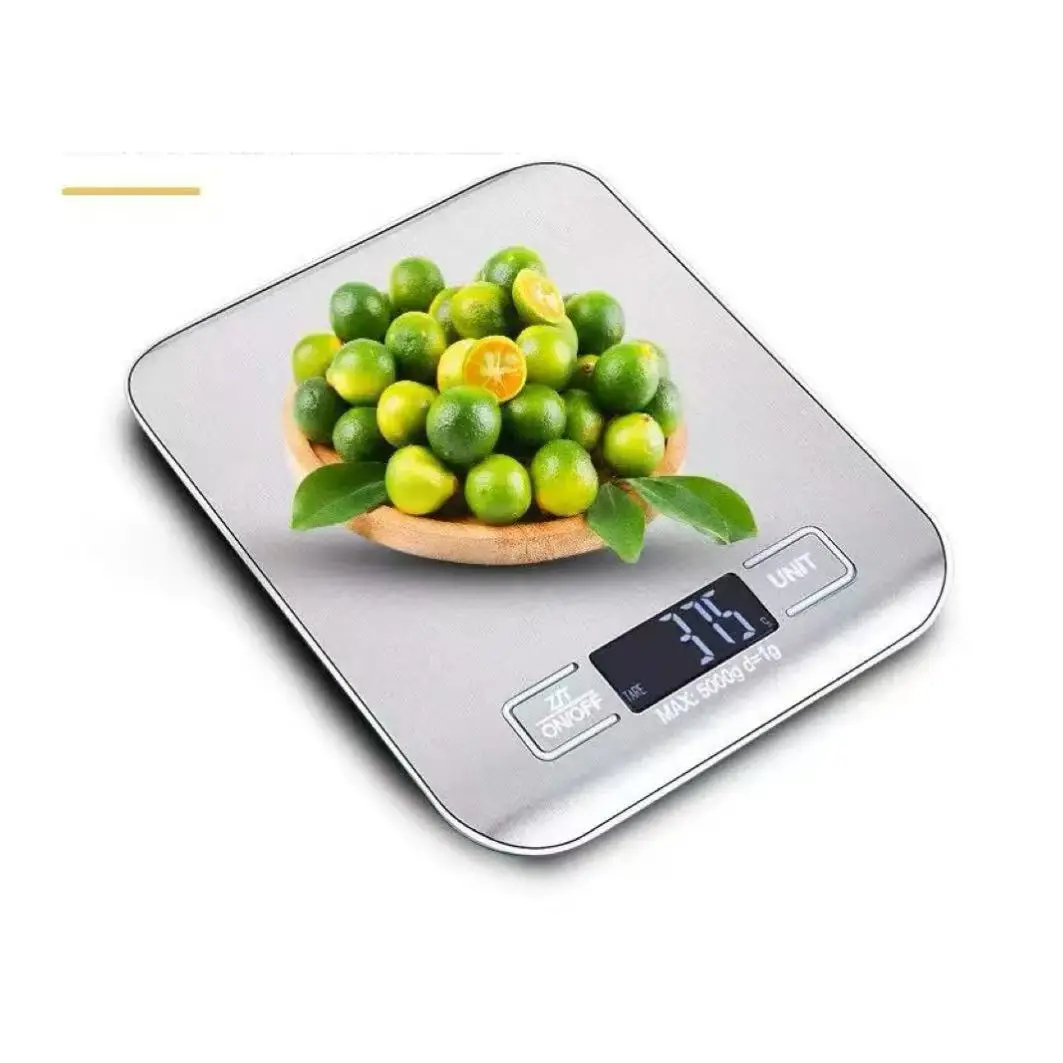


Browse kitchen and portion tools on Amazon
Food scales, portion containers and measuring sets, as an Amazon category search. We have not tested individual products.


