Why Willpower Alone Fails, and What Actually Works
The idea that lasting change requires sheer willpower is one of the most persistent myths in health and wellness. Yet research consistently shows that self-control is a finite resource, easily depleted by stress, fatigue, or decision overload. Instead of relying on motivation that flickers like a candle in the wind, sustainable habit formation depends on systems that work with, not against, the body’s natural rhythms.
Habits are not about forcing behavior but about designing environments and routines that make healthy choices effortless. This approach leverages the brain’s capacity for automaticity, where repeated actions become ingrained over time. The key lies in starting small, removing friction, and aligning habits with metabolic and behavioral science.
Start Smaller Than You Think
One of the most strong findings in habit science is that tiny, consistent actions outperform grand but unsustainable gestures. Adding a single serving of vegetables to one meal daily can trigger cascading improvements in diet quality without triggering resistance or burnout.
For weight loss, this might mean starting with a 5-minute walk after lunch rather than committing to an hour at the gym. The goal is to design a habit so easy that failure is statistically unlikely. Over time, these small wins build confidence and momentum, making it easier to layer on slightly more challenging behaviors.
Another critical factor is stacking habits, pairing a new behavior with an existing one. For example, placing a water bottle next to your coffee maker creates a visual cue to hydrate first thing in the morning. This technique, rooted in behavioral psychology, reduces the cognitive load of decision-making.
Design Your Environment for Success
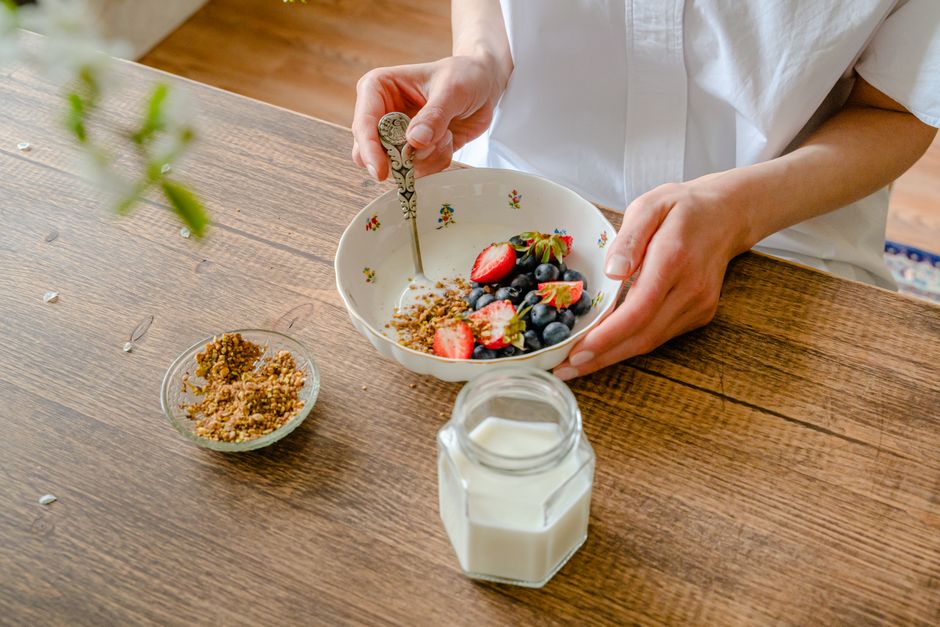
Environmental design is the silent architect of habit formation. The brain is wired to conserve energy, so it defaults to the path of least resistance. If healthy foods are visible and convenient while processed options are tucked away, the choice becomes automatic. Conversely, if sugary snacks are left within arm’s reach, the brain will prioritize them, regardless of willpower.
Harvard’s Healthy Eating Plate emphasizes the importance of structuring the home environment to support long-term dietary changes Source Name. This includes:
- Prepping ingredients in advance to reduce the effort of cooking healthy meals.
- Using smaller plates and bowls to naturally moderate portion sizes without conscious effort.
- Storing fruits and vegetables at eye level in the fridge to increase their consumption.
For movement, this might mean keeping resistance bands near the TV or scheduling short walks during phone calls. The less friction involved, the more likely the habit will stick.
Focus on Feedback, Not Perfection
Metabolic feedback loops play a key role in habit adherence. For instance, regular physical activity improves insulin sensitivity, which can reduce cravings for high-sugar foods. Similarly, adequate sleep regulates ghrelin and leptin, hormones that control hunger and satiety, making it easier to maintain healthy eating patterns Source Name.
Rather than fixating on outcomes like weight loss, track process-oriented metrics such as sleep duration, daily steps, or meal timing. These behaviors provide immediate, tangible feedback that reinforces consistency. Over time, this approach shifts the focus from short-term results to sustainable systems.
Another effective strategy is the two-day rule: never skip a habit two days in a row. This prevents small lapses from snowballing into full-blown abandonment while maintaining the habit’s neural pathways.
Recommended Health & Fitness Gear



Myth: You Need to Be Motivated First
A common misconception is that motivation must precede action. In reality, action precedes motivation. The brain’s reward system releases dopamine not only when we achieve a goal but also when we take the first step toward it. This means that starting a habit, even in a minimal way, can spark the motivation needed to continue.
For example, putting on workout clothes can be enough to prompt a short walk, which then makes it easier to commit to a full session. The key is to lower the activation energy required to begin, making the habit so accessible that motivation becomes irrelevant.
FAQ: Common Questions About Habit Formation
How long does it really take to form a habit?
Contrary to the oft-cited 21-day myth, habit formation varies widely depending on complexity, context, and individual differences. The classic habit research puts the average time to automate a behavior at around two months, with an enormous range either side. The takeaway? Consistency matters far more than speed.
What if I keep forgetting my new habit?
Forgetting is a normal part of habit formation. The solution lies in anchoring the habit to an existing routine or using external cues like phone alarms or sticky notes. Over time, the brain will associate the cue with the action, reducing reliance on memory.
Can habits really override genetic predispositions?
Genetics influence baseline tendencies, but they do not determine outcomes. For example, while some individuals may have a higher propensity for sweet cravings, environmental and behavioral strategies can modulate these responses. The interplay between genes and habits is dynamic, not deterministic.
Is it better to focus on one habit at a time?
simultaneously working on one to two habits at a time maximizes success. Spreading too thin across multiple changes increases cognitive load and reduces adherence. Prioritize habits based on their impact and ease of implementation.
Putting It All Together
- Start absurdly small to bypass resistance and build momentum.
- Design your environment to make healthy choices the default option.
- Track process-oriented behaviors rather than fixating on outcomes like weight loss.
- Action creates motivation, not the other way around.
- Consistency beats intensity, small, repeated efforts compound over time.
This pairs well with Why Most New Habits Fail Within a Month.
Advertising disclosure: the links below are affiliate links. We may earn a commission if you use them, at no extra cost to you. This does not change the article's content, and it is not a medical recommendation.
Browse kitchen and portion tools on Amazon
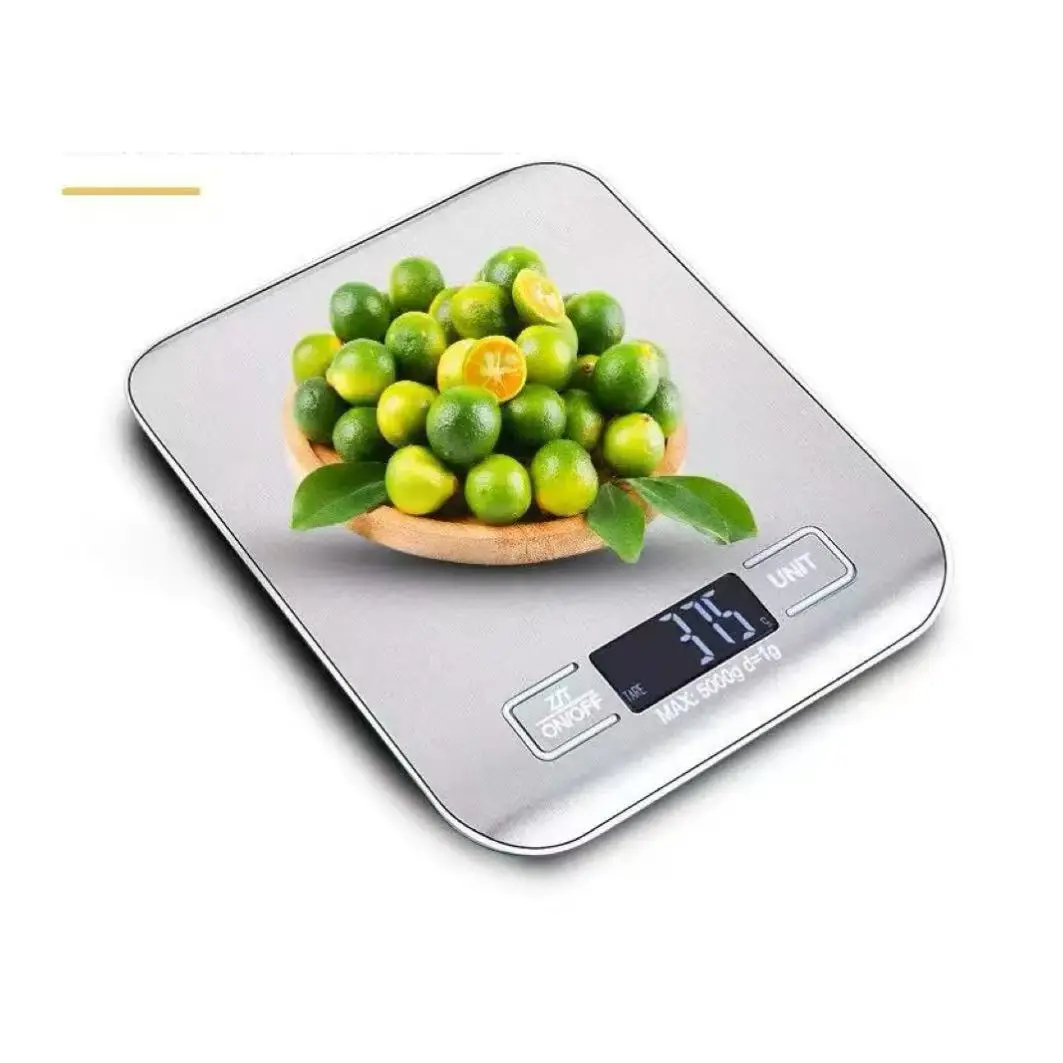
Food scales, portion containers and measuring sets, as an Amazon category search. We have not tested individual products.