Why Sunday Meal Prep Is a Cornerstone of Sustainable Weight Management
Meal prepping on a single day each week is one of the most evidence-backed strategies for improving dietary quality, reducing food waste, and supporting weight loss goals. Structured meal planning is associated with higher intake of vegetables, lean proteins, and whole grains, nutrients linked to improved metabolic health. When done with intention, weekly meal prep can also lower grocery spending by minimizing impulse purchases and reducing reliance on takeout.
This approach aligns with the Harvard T.H. Chan School of Public Health’s Healthy Eating Plate, which emphasizes balanced macronutrients and portion control as foundational to long-term weight management. For families, the benefits extend beyond cost savings: consistent meal prep reduces daily decision fatigue, supports portion awareness, and fosters healthier eating habits in both adults and children.
How to Build a Budget-Friendly Meal Prep System
Designing a meal prep routine that saves money requires a balance of strategic ingredient selection, batch cooking, and flexible planning. Start by auditing your pantry and freezer to identify staples you already own, then build meals around those items. Prioritize versatile ingredients like brown rice, lentils, frozen vegetables, and lean proteins (chicken thighs, ground turkey, eggs) that can be repurposed across multiple dishes.
Cost efficiency also hinges on seasonal produce. Seasonal vegetables and fruits are typically cheaper and more nutrient-dense than out-of-season options. For example, winter squash, cabbage, and carrots are affordable and store well, while summer berries can be frozen for later use. According to the Mayo Clinic, incorporating frozen produce can reduce waste and lower grocery bills without sacrificing nutritional value.
Step 1: Plan with Portion Control in Mind
Portion control is critical for weight management, but it doesn’t require rigid calorie counting. Instead, use visual cues to guide serving sizes:
- Proteins: A deck of cards or palm-sized portion per meal.
- Carbohydrates: A cupped hand or tennis ball-sized portion.
- Fats: A thumb-sized portion (e.g., oils, nuts, cheese).
- Vegetables: Fill half your plate with non-starchy options like spinach, broccoli, or zucchini.
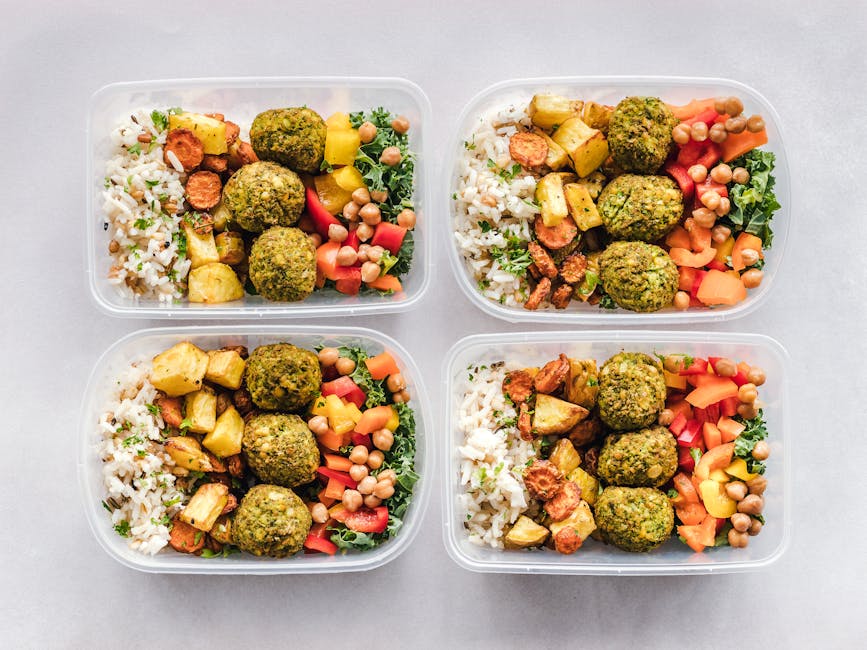
This method, endorsed by the Harvard Healthy Eating Plate, helps regulate energy intake without the need for constant tracking. For families, pre-portioning meals into containers ensures everyone receives appropriate servings, reducing overeating and food waste.
Step 2: Batch Cook with Multi-Use Ingredients
Select 3–4 core ingredients that can be transformed into multiple meals. For example:
- Chicken thighs: Roast for tacos, shred for soups, or dice for stir-fries.
- Quinoa or brown rice: Use as a base for grain bowls, stuffed peppers, or breakfast porridge.
- Lentils or beans: Cook once for salads, chili, or veggie burgers.
- Roasted vegetables: Prepare a large tray of mixed veggies to add to pasta, frittatas, or wraps.
This strategy minimizes active cooking time while maximizing nutrient diversity. Meal preppers who use multi-functional ingredients report higher diet quality and lower grocery expenses.
Step 3: Optimize Storage for Freshness and Safety
Proper storage extends the shelf life of prepped meals and prevents foodborne illness. Use airtight glass or BPA-free plastic containers to maintain freshness. Store meals in the fridge for up to 4 days or freeze portions for longer storage. Label containers with dates to track freshness, and cool food quickly before refrigerating to avoid bacterial growth.
For vegetables, blanch and freeze items like broccoli, green beans, or bell peppers to preserve texture and nutrients. The Mayo Clinic recommends freezing in single-serving portions for easy reheating.
Sample 7-Day Meal Prep Plan (Family-Friendly & Budget-Conscious)
This plan balances protein, fiber, and healthy fats while keeping costs under $100 for a family of four. Adjust portion sizes based on age, activity level, and dietary needs.
| Day | Breakfast | Lunch | Dinner | Snack |
|---|---|---|---|---|
| Monday | Overnight oats with chia seeds and frozen berries | Grilled chicken wrap with hummus and veggies | Lentil soup with whole-grain bread | Apple slices with almond butter |
| Tuesday | Scrambled eggs with sautéed spinach and whole-grain toast | Quinoa salad with roasted chickpeas and lemon-tahini dressing | Turkey chili with brown rice | Carrot sticks and tzatziki |
| Wednesday | Greek yogurt with granola and sliced banana | Tuna salad with whole-grain crackers and cucumber slices | Baked salmon with roasted sweet potatoes and steamed green beans | Handful of walnuts |
| Thursday | Smoothie with frozen mango, spinach, and protein powder | Stuffed bell peppers with ground turkey and quinoa | Vegetable stir-fry with tofu and brown rice | Celery with peanut butter |
| Friday | Avocado toast with a poached egg | Leftover turkey chili with a side of whole-grain bread | Sheet-pan chicken fajitas with bell peppers and onions | Hard-boiled eggs |
| Saturday | Cottage cheese with pineapple chunks | Egg salad sandwich on whole-grain bread | Black bean burgers with sweet potato fries | Trail mix with nuts and dried fruit |
| Sunday | Whole-grain waffles with almond butter | Leftover lentil soup with a side salad | Baked cod with roasted Brussels sprouts and wild rice | Greek yogurt with honey |
Recommended Health & Fitness Gear



Troubleshooting Common Meal Prep Challenges
Even the most organized meal prep systems encounter obstacles. Here’s how to address them:
- Food fatigue: Rotate 2–3 core meals per week and vary sauces or seasonings to keep flavors fresh. For example, use the same base of roasted vegetables but alternate between tahini, pesto, or soy-ginger dressings.
- Time constraints: Dedicate 2 hours on Sunday for bulk cooking, then 30 minutes midweek for quick assembly (e.g., reheating prepped components and adding fresh greens).
- Portion mismatches: If family members are still hungry after meals, add a side of raw vegetables or a small handful of nuts to increase satiety without excess calories.
- Spoilage: If meals smell off or develop mold, discard them immediately. When in doubt, use the sniff test or check for slimy textures as indicators of spoilage.
Myth: Meal Prep Means Eating the Same Thing Every Day
One of the most persistent misconceptions about meal prepping is that it leads to repetitive, unappetizing meals. In reality, the opposite is true when done correctly. The key is to prepare components rather than rigid meals. For example:
- Cook a batch of grilled chicken, then use it in tacos on Monday, salads on Wednesday, and wraps on Friday.
- Roast a variety of vegetables, then incorporate them into grain bowls, omelets, or soups.
- Prep a base of grains or legumes, then pair them with different proteins and sauces throughout the week.
This modular approach ensures dietary variety while saving time. Dietary variety is linked to better long-term adherence to healthy eating patterns, as it prevents monotony and nutrient gaps.
FAQ: Meal Prep for Weight Loss and Family Health
Q: How do I prevent overeating when meals are pre-portioned?
A: Pre-portioning reduces decision fatigue but doesn’t eliminate hunger cues. If portions feel too small, add a side of high-volume, low-calorie foods like cucumber slices, air-popped popcorn, or broth-based soups to increase fullness without excess calories.
Q: Can meal prepping work if my family is picky about textures or flavors?
A: Yes. Start with familiar ingredients and gradually introduce new ones. For example, if your family dislikes plain quinoa, mix it with brown rice or add it to a soup where the texture is less noticeable. The Harvard Healthy Eating Plate recommends involving children in meal selection to increase acceptance.
Q: Is it safe to reheat meals multiple times?
A: Reheating meals more than once increases the risk of bacterial growth. To minimize risk, divide leftovers into single-serving portions before refrigerating or freezing. Reheat only the portion you plan to eat, and ensure food reaches an internal temperature of 165°F (74°C) before consuming.
Q: How do I adjust this plan for dietary restrictions (e.g., gluten-free, dairy-free)?
A: Swap gluten-containing grains for certified gluten-free options like quinoa or buckwheat. For dairy-free diets, use plant-based yogurts, nut milks, and dairy-free cheeses. Always check labels for hidden allergens, as cross-contamination can occur in shared kitchen spaces.
The Science-Backed Essentials of Family Meal Prep
- Structured meal planning improves diet quality by increasing intake of vegetables, lean proteins, and whole grains.
- Portion control can be managed visually using the Harvard Healthy Eating Plate model, which emphasizes balanced macronutrients without rigid calorie counting.
- Multi-use ingredients reduce waste and grocery costs while maximizing nutrient diversity.
- Proper storage extends meal freshness and prevents foodborne illness, with airtight containers and date labeling as critical tools (Mayo Clinic).
- Variety in components prevents food fatigue and supports long-term adherence to healthy eating patterns.
Advertising disclosure: the links below are affiliate links. We may earn a commission if you use them, at no extra cost to you. This does not change the article's content, and it is not a medical recommendation.
Browse kitchen and portion tools on Amazon
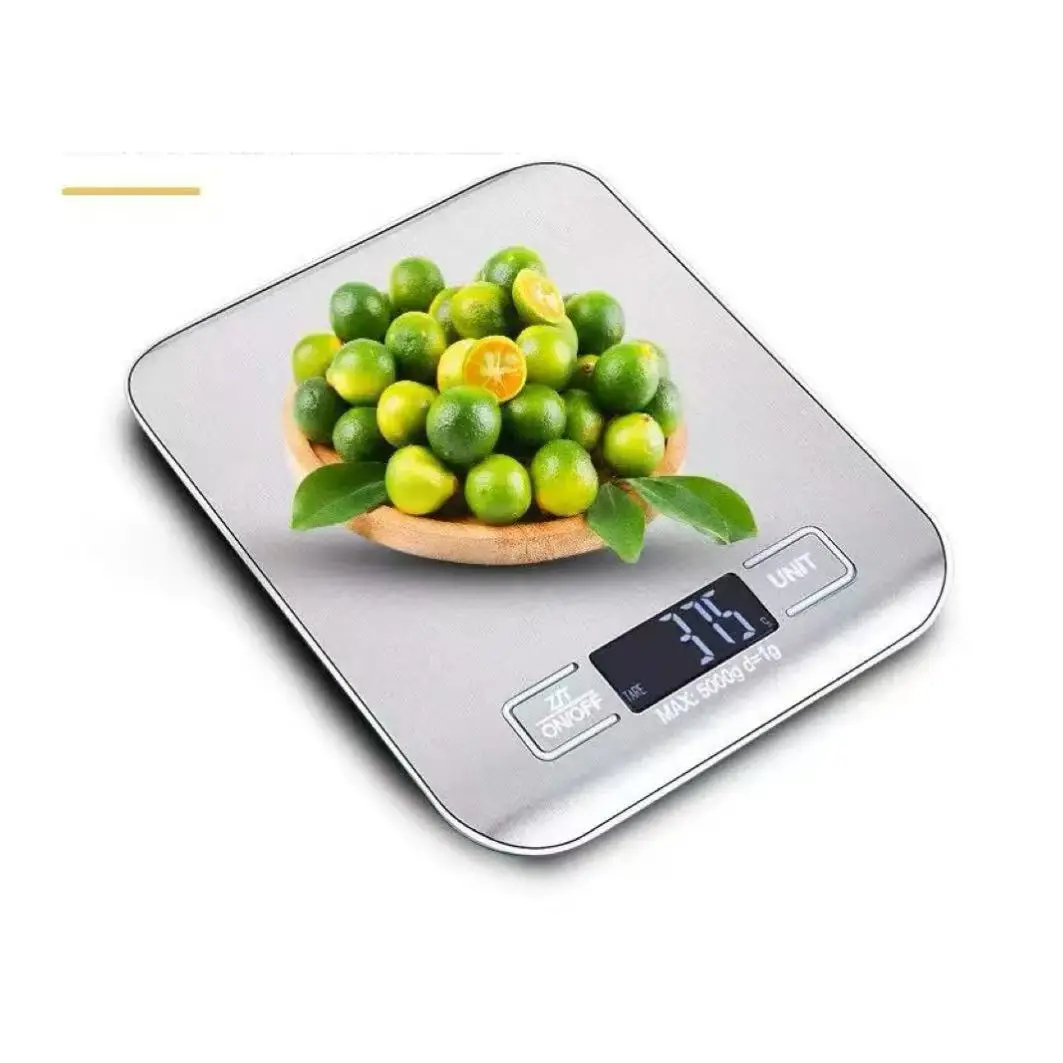
Food scales, portion containers and measuring sets, as an Amazon category search. We have not tested individual products.