
How Hormones Shape Your Weight, And What You Can Do About It
Weight regulation is often framed as a simple equation of calories in versus calories out, but this overlooks a critical factor: hormones. These chemical messengers govern appetite, fat storage, energy use, and even cravings, creating a complex web of influences that can either support or sabotage metabolic health. When hormonal balance is disrupted, weight loss becomes an uphill battle, even with strict dieting and exercise. Understanding these mechanisms is the first step toward sustainable change.
Research highlights that hormonal imbalances, such as insulin resistance or thyroid dysfunction, can significantly alter how the body processes and stores energy. For example, elevated insulin levels promote fat storage and reduce fat breakdown, while low thyroid hormone output slows metabolism. Addressing these issues requires more than calorie counting; it demands a targeted approach that restores hormonal equilibrium.
Key Hormones That Influence Weight
Insulin: The Gatekeeper of Fat Storage
Insulin is the primary hormone responsible for regulating blood sugar. When cells become less responsive to insulin, a condition known as insulin resistance, the pancreas produces more of it, leading to higher blood sugar levels. Over time, this not only increases fat storage, particularly around the abdomen, but also heightens the risk of metabolic disorders. A diet high in refined carbohydrates and sugars exacerbates this cycle by spiking insulin levels repeatedly.
To mitigate insulin resistance, prioritizing fiber-rich foods, lean proteins, and healthy fats can help stabilize blood sugar. The Harvard T.H. Chan School of Public Health recommends filling half your plate with vegetables, a quarter with whole grains, and the remaining quarter with lean protein sources to support metabolic health.
Cortisol: The Stress Hormone Linked to Belly Fat
Cortisol, often called the stress hormone, plays a dual role in weight regulation. In acute stress, it mobilizes energy by breaking down glycogen and fat stores. However, chronic stress disrupts this balance, leading to increased appetite, particularly for high-calorie foods, and altered fat distribution. While cortisol doesn’t directly create fat, it can contribute to water retention and visceral fat accumulation when stress persists over time.
Managing cortisol requires addressing its root causes: chronic stress, poor sleep, and inadequate recovery. Techniques such as mindfulness, regular physical activity, and adequate sleep duration (7–9 hours per night) can help regulate cortisol levels. It’s important to note that these strategies support metabolic health rather than directly targeting fat loss.
Leptin and Ghrelin: The Hunger Hormones
Leptin, produced by fat cells, signals satiety to the brain, while ghrelin, secreted in the stomach, stimulates hunger. When leptin sensitivity is reduced, a condition known as leptin resistance, the brain fails to receive the "full" signal, leading to overeating. Ghrelin levels rise during calorie restriction, making weight loss efforts more challenging. Sleep deprivation and chronic dieting can exacerbate these imbalances, creating a vicious cycle of hunger and overeating.
Improving leptin sensitivity involves reducing inflammation, prioritizing sleep, and avoiding extreme calorie deficits. A balanced diet that includes anti-inflammatory foods, such as fatty fish, leafy greens, and nuts, may help restore hormonal balance.
Thyroid Hormones: The Metabolic Regulators
The thyroid gland produces hormones that regulate metabolism, including thyroxine (T4) and triiodothyronine (T3). When thyroid function is impaired, metabolic rate slows, leading to fatigue, weight gain, and difficulty losing weight. Suboptimal thyroid function can result from nutrient deficiencies, chronic stress, or autoimmune conditions like Hashimoto’s thyroiditis.
Supporting thyroid health involves ensuring adequate intake of iodine, selenium, and zinc, as well as addressing underlying stressors. Regular monitoring of thyroid function through blood tests can help identify imbalances early.
Common Myths About Hormones and Weight
Myth: Cortisol directly causes belly fat.
While cortisol is often blamed for belly fat, its role is indirect. Chronic stress primarily affects weight through increased appetite, cravings for high-calorie foods, and sleep disruption. Fat distribution is also influenced by genetics and overall energy balance. Cortisol’s impact is more about altering behaviors and metabolic processes than directly depositing fat in the abdomen.
Myth: Strength training dramatically boosts metabolism.
Strength training does not significantly increase resting metabolic rate, but it helps preserve lean muscle mass during weight loss. Muscle tissue is metabolically active, meaning it burns more calories at rest than fat tissue. By maintaining muscle, strength training supports long-term metabolic health and prevents the slowdown in metabolism often seen with calorie restriction.
Practical Steps to Rebalance Your Hormones
Restoring hormonal balance requires a multifaceted approach that addresses diet, lifestyle, and stress management. Below is a step-by-step protocol to help you get started.
7-Day Hormone-Friendly Reset
| Day | Focus Area | Action Steps |
|---|---|---|
| 1–2 | Blood Sugar Stability |
|
| 3–4 | Stress and Sleep |
|
| 5–6 | Anti-Inflammatory Nutrition |
|
| 7 | Movement and Recovery |
|
Long-Term Strategies
- Prioritize protein: Aim for 1.2–2.2 grams of protein per kilogram of body weight daily to support muscle maintenance and satiety.
- Manage stress proactively: Incorporate stress-reducing practices like meditation, journaling, or nature walks into your routine.
- Optimize sleep: Poor sleep disrupts hunger hormones and increases cravings. Create a sleep-conducive environment by keeping the room cool and dark.
- Monitor progress: Track symptoms like energy levels, cravings, and sleep quality rather than focusing solely on the scale.
When to Seek Professional Guidance
If lifestyle changes don’t yield noticeable improvements, consider consulting a healthcare provider. Conditions like polycystic ovary syndrome (PCOS), thyroid disorders, or insulin resistance may require medical intervention. Blood tests can assess hormone levels, nutrient status, and metabolic markers to guide personalized treatment.
Putting It All Together
- Hormones like insulin, cortisol, leptin, and thyroid hormones play a central role in weight regulation.
- Chronic stress, poor sleep, and imbalanced diets can disrupt hormonal balance, making weight loss more difficult.
- A hormone-friendly approach focuses on stabilizing blood sugar, managing stress, and supporting metabolic health through nutrition and lifestyle.
- Individualized strategies, such as adequate protein intake and stress reduction, are more effective than generic diet plans.
Frequently Asked Questions
Can hormonal imbalances cause weight gain even with a healthy diet?
Yes. Conditions like hypothyroidism, PCOS, or insulin resistance can lead to weight gain despite a balanced diet. These imbalances affect metabolism, fat storage, and hunger signals, making weight loss more challenging.
How does sleep affect weight and hormones?
Poor sleep disrupts hunger hormones, increasing ghrelin (the hunger hormone) and decreasing leptin (the satiety hormone). It also elevates cortisol and impairs glucose metabolism, contributing to weight gain.
Are there specific foods that help balance hormones?
Foods rich in fiber, healthy fats, and antioxidants support hormonal balance. Examples include leafy greens, fatty fish, nuts, seeds, and whole grains. Avoiding processed foods and sugars can also reduce inflammation and insulin spikes.
How long does it take to see improvements in hormonal balance?
Changes in diet and lifestyle can yield noticeable improvements in 2–4 weeks, particularly in energy levels and sleep quality. However, significant shifts in weight or metabolic markers may take several months, depending on individual circumstances.
Advertising disclosure: the links below are affiliate links. We may earn a commission if you use them, at no extra cost to you. This does not change the article's content, and it is not a medical recommendation.
Recommended Health & Fitness Gear

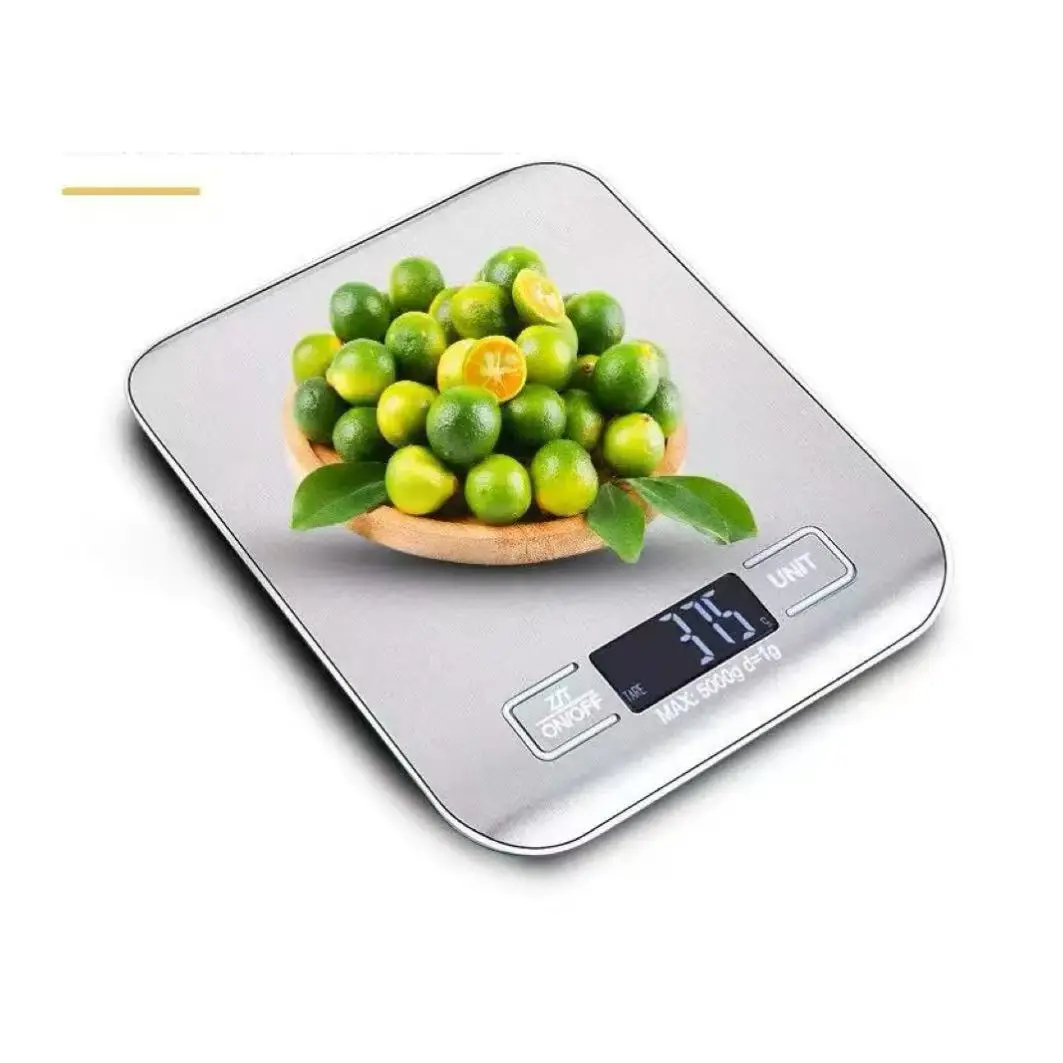


Browse kitchen and portion tools on Amazon
Food scales, portion containers and measuring sets, as an Amazon category search. We have not tested individual products.


