Table of Contents
- Why weight-loss">protein timing matters more than you think
- Myth vs. Reality: Protein timing edition
- Real-life tips for busy moms (and anyone else with a life)
- Key takeaways
- FAQs
Why weight-loss">protein timing matters more than you think
I used to shovel scrambled eggs into my mouth at 5 a.m. like a caffeine-deprived zombie, convinced that eating protein first thing was the only way to ‘stoke the metabolism fire.’ Turns out, I was wrong — and so were the late-night infomercials telling me to chug a protein shake before bed.
After losing 30 pounds (and keeping it off for three years), I’ve learned that protein timing isn’t about rigid rules. It’s about smart strategy. The science backs this up: distributing protein evenly across meals helps preserve muscle and boosts fat loss, especially when you’re busy, stressed, and juggling work, kids, and life.
Here’s what actually works — no extreme schedules, no expensive supplements, just real food and realistic habits.
How much protein do you really need?
Most women I talk to underestimate their protein needs. The Harvard Healthy Eating Plate recommends 20–30 grams of protein per meal for muscle maintenance and satiety. That’s roughly the amount in:
- 3 eggs
- 1 cup Greek yogurt
- 3 oz grilled chicken
- ½ cup cottage cheese
If you’re active or over 40, aim closer to 30–40 grams per meal. I hit my target with a 4 oz chicken breast at lunch and a Greek yogurt parfait for a snack — no shakes required.
When to eat protein for fat loss
You don’t need to eat protein every hour. But spreading it out helps control hunger and prevents muscle loss during weight loss. Here’s the sweet spot:
- Breakfast: 20–30g. Eggs, cottage cheese, or a protein smoothie work. I blend Greek yogurt, frozen berries, and a scoop of collagen — tastes like dessert, keeps me full for hours.
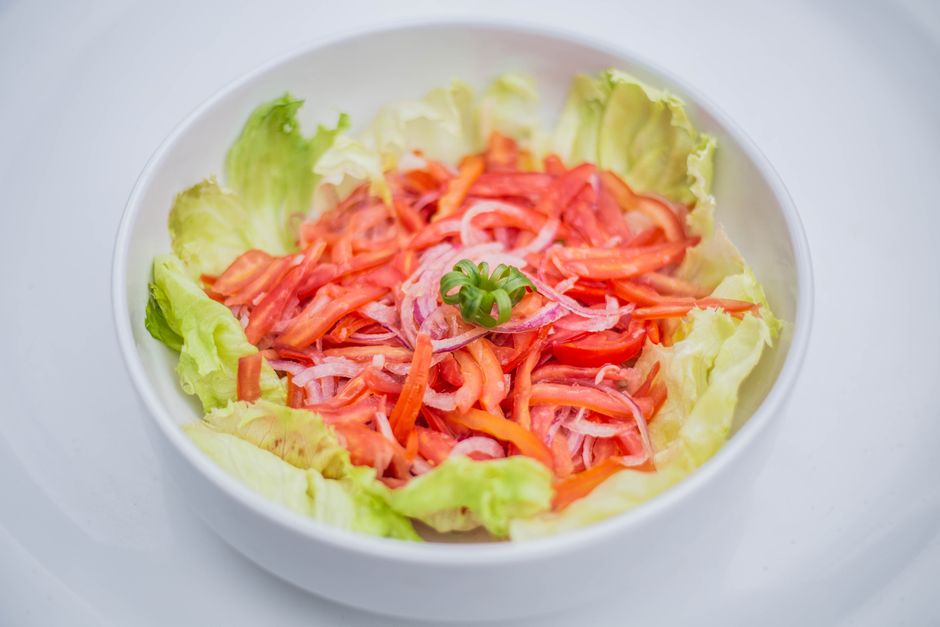
- Lunch: 30–40g. Grilled chicken, fish, or tofu with veggies and quinoa. My go-to? A big salad with chickpeas, feta, and grilled shrimp. No sad desk lunch here.
- Dinner: 30–40g. Lean beef, salmon, or lentils. I roast a whole chicken on Sundays and use leftovers all week — saves time and sanity.
- Snacks (if needed): 10–20g. A handful of almonds, a cheese stick, or edamame. I keep these in my car for after-school meltdowns (mine or my kid’s).
This isn’t about perfection. Some days I hit 80g total, some days 120g. But I aim for at least 20g every 3–4 hours to keep my metabolism humming.
Does eating protein at night help or hurt?
I used to avoid protein after 7 p.m. because ‘it turns to fat.’ Spoiler: that’s a myth. A 2016 study in the Journal of Clinical Nutrition found that eating protein before bed (like cottage cheese or casein) increased muscle protein synthesis overnight — especially in older adults. For me, a small bowl of Greek yogurt with cinnamon helps me sleep and preserves my hard-earned muscle.
That said, don’t go overboard. A 200-calorie snack with 15–20g protein is plenty. A whole pizza? Not so much.
What about post-workout protein?
You’ve probably heard the ‘30-minute window’ rule. But recent research suggests it’s less critical than we thought. A Mayo Clinic review found that as long as you eat protein within a few hours of exercise, muscle recovery isn’t compromised. So if you work out at 6 a.m. and don’t eat until 9 a.m., you’re still fine.
My hack? I keep a protein bar in my gym bag. It’s not glamorous, but it works. And yes, I’ve eaten it in the car. No judgment.
Myth vs. Reality: Protein timing edition
Myth: You must eat protein immediately after waking up to ‘boost metabolism.’
Reality: Your body doesn’t need protein the second you open your eyes. What matters is total daily intake. If you’re not hungry at 6 a.m., don’t force it. A balanced lunch and dinner will do just fine.
Myth: Protein before bed causes weight gain.
Reality: Protein before bed supports muscle repair and keeps you full. Unless you’re eating a 500-calorie ice cream sundae, it won’t derail fat loss.
Myth: More protein = faster fat loss.
Reality: Excess protein can be stored as fat if you’re in a calorie surplus. Stick to your needs — usually 0.7–1.0g per pound of body weight if you’re active.
Real-life tips for busy moms (and anyone else with a life)
I get it — meal prep sounds great until you’re elbow-deep in a diaper blowout at 6:30 a.m. Here’s how I make protein timing work without losing my mind:
- Batch cook proteins: Grill chicken breasts on Sunday. Store in portions. Toss with salads, wraps, or rice all week.
- Keep emergency snacks: Hard-boiled eggs, cheese sticks, and jerky in the fridge. My kids call them ‘snack grenades’ — and they’re not wrong.
- Use leftovers creatively: Last night’s salmon? Flake it into a wrap today. Roast chicken? Shred it for soup tomorrow.
- Prioritize convenience: Pre-cooked shrimp, canned tuna, and frozen edamame are lifesavers. I keep them in the freezer for ‘I can’t even’ days.
One time, I microwaved a frozen burger patty at 11 p.m. while wearing pajamas and pretending I was on a cooking show. It counts.
Key takeaways
- Spread protein evenly: Aim for 20–40g every 3–4 hours to support muscle and control hunger.
- Don’t stress the timing: The post-workout ‘30-minute window’ isn’t as critical as we thought. Just eat within a few hours.
- Protein at night is fine: A small snack with 15–20g protein can aid muscle repair and sleep.
- Keep it simple: Batch cooking and emergency snacks beat perfection every time.
FAQs
Is it better to eat protein before or after a workout?
It depends on your schedule. If you’re hungry before, eat something light like a banana with peanut butter. If not, focus on eating protein within a few hours after. The goal is total daily intake, not a specific timing.
Can I lose fat without tracking protein grams?
Yes, but it’s harder. If you’re eating balanced meals with lean protein, veggies, and whole grains, you’re likely hitting your needs. But if you’re struggling to lose weight, tracking for a week can help identify gaps.
What’s the best protein source for fat loss?
Lean proteins like chicken, fish, tofu, and Greek yogurt are ideal. They’re low in calories but high in satiating power. Processed meats and fried proteins? Not so much.
Medically Reviewed & Fact-Checked
This article has been reviewed and fact-checked by a Board-Certified Health & Wellness Coach to ensure compliance with evidence-based scientific guidelines and professional health standards.
Recommended Supplement: Organic Electrolyte & Hydration Powder
Clean, zero-sugar hydration powder with essential minerals to support energy, workout recovery, and metabolic health.
Recommended Health & Fitness Gear