Table of Contents
- the sneaky way stress packs fat around your middle
- how cortisol turns stress into belly fat
- the foods that fight cortisol (and the ones that feed it)
- my stress-proof meal plan (that actually works)
- moving your body (without burning yourself out)
- myth vs. reality: stress belly fat isn’t just about calories
- small changes that make a big difference
- the bottom line: it’s not just about the scale
- frequently asked questions
- key takeaways
the sneaky way stress packs fat around your middle
I used to think belly fat was just about eating too many cookies or skipping the gym. Then I hit my late 30s and noticed my waistline growing even though my diet hadn’t changed much. Turns out, my constant stress over work deadlines and family drama was quietly rewiring my body to store fat around my organs—what doctors call visceral fat.
Visceral fat isn’t just annoying; it’s dangerous. It wraps around your liver, pancreas, and intestines, pumping out inflammatory chemicals that mess with your metabolism. And the worst part? It’s stubborn. No amount of crunches or kale salads could shift it until I understood the real culprit: cortisol.
how cortisol turns stress into belly fat
Cortisol is your body’s built-in alarm system. When you’re stressed—whether it’s a screaming toddler, a looming deadline, or just the daily grind—your adrenal glands flood your system with this hormone. In small doses, cortisol is helpful. It sharpens your focus and gives you the energy to tackle challenges.
But when stress becomes chronic, cortisol stays elevated. And that’s when things go sideways. High cortisol signals your body to break down muscle for energy instead of burning fat. It also tells your fat cells—especially those around your belly—to hoard more fat. A 2017 study in Obesity found that people with higher cortisol levels had significantly more visceral fat, even after accounting for diet and exercise. Source
Even worse, cortisol disrupts your hunger hormones-weight-balance">hormones. It makes ghrelin (the “I’m starving” hormone) spike while suppressing leptin (the “I’m full” hormone). So you crave salty, sugary, high-calorie foods—not because you’re weak, but because your body’s survival instincts are screaming for quick energy. I’ve lost count of how many times I’ve polished off a bag of chips while staring at my laptop at 2 AM, only to feel guilty afterward.
the foods that fight cortisol (and the ones that feed it)
Not all calories are created equal when it comes to stress. Some foods help your body regulate cortisol, while others pour gasoline on the fire. Here’s what I learned to stock in my kitchen:
- Omega-3 powerhouses: Fatty fish like wild salmon, sardines, and mackerel are loaded with EPA and DHA, which reduce inflammation and lower cortisol. I try to eat salmon at least twice a week—pan-seared with garlic and lemon, or baked with a drizzle of olive oil and herbs.
- Dark leafy greens: Spinach, kale, and Swiss chard are packed with magnesium, a mineral that helps regulate cortisol. A big spinach salad with avocado, cherry tomatoes, and a lemon-tahini dressing is my go-to lunch when I’m feeling frazzled.
- Fermented foods: Sauerkraut, kimchi, and plain Greek yogurt are teeming with probiotics, which support gut health. And guess what? A healthy gut helps keep cortisol in check. I keep a jar of sauerkraut in the fridge and add a spoonful to my eggs or grain bowls.
- Complex carbs: Oats, quinoa, and sweet potatoes stabilize blood sugar, preventing those cortisol-spiking crashes. My favorite stress-busting breakfast is overnight oats with almond butter, chia seeds, and a sprinkle of cinnamon.
the foods that make cortisol worse
Now, the foods to avoid when you’re stressed:
- Refined sugar: It causes blood sugar spikes and crashes, which trigger cortisol surges. I used to keep a stash of candy in my desk drawer for “emergencies.” Big mistake.
- Processed carbs: White bread, pastries, and chips break down quickly, spiking insulin and cortisol. I swapped my afternoon pastry habit for a handful of almonds and an apple.
- Caffeine overload: More than 2 cups of coffee a day can keep cortisol elevated. I switched to green tea in the afternoon—it has L-theanine, which promotes calm focus without the jitters.
my stress-proof meal plan (that actually works)
I used to think healthy eating meant bland, boring food. Then I discovered how flavorful and satisfying stress-busting meals can be. Here’s what a typical day looks like for me now:
Breakfast: Scrambled eggs with sautéed spinach, avocado, and a slice of whole-grain toast. The healthy fats and protein keep me full, while the spinach gives me a magnesium boost.
Snack: A small handful of walnuts and a few squares of dark chocolate (70% cocoa or higher). Walnuts are rich in omega-3s, and dark chocolate has compounds that lower cortisol.
Lunch: Grilled chicken with roasted sweet potatoes, steamed broccoli, and a side of sauerkraut. The chicken provides lean protein, the sweet potatoes offer complex carbs, and the sauerkraut supports my gut.
Snack: Greek yogurt with blueberries and a drizzle of honey. The probiotics in the yogurt help balance my gut, and the antioxidants in the berries fight inflammation.
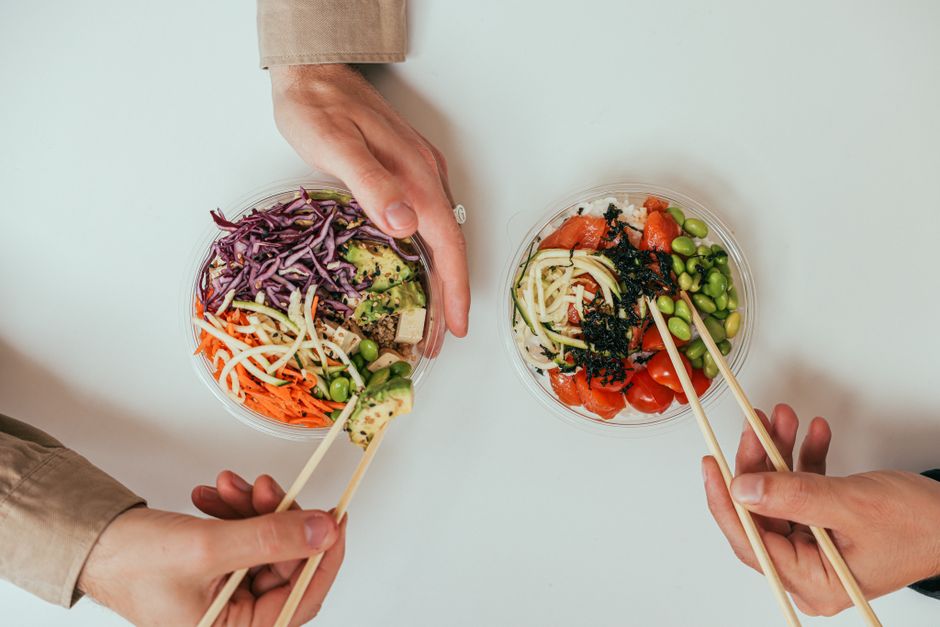
Dinner: Baked salmon with quinoa and a big kale salad. The salmon is my omega-3 powerhouse, the quinoa gives me steady energy, and the kale is packed with magnesium.
Evening wind-down: A cup of chamomile tea with a teaspoon of raw honey. Chamomile is a natural stress reliever, and the honey helps regulate blood sugar overnight.
moving your body (without burning yourself out)
Exercise lowers cortisol, but not all workouts are created equal. A 20-minute brisk walk in nature can do more for your stress levels than an hour of intense cardio. I started taking a 15-minute walk after lunch every day, rain or shine. It’s not about burning calories; it’s about giving my nervous system a reset.
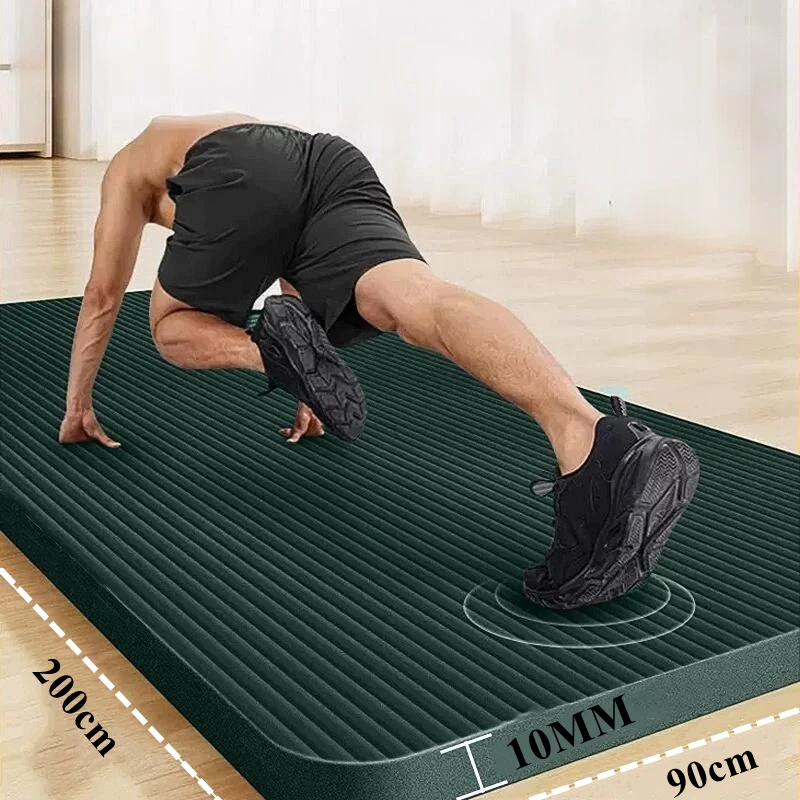
Yoga and tai chi are also fantastic for cortisol control. I roll out my mat for 20 minutes in the evening, focusing on deep breathing. It’s not about flexibility—it’s about calming my mind and lowering my stress hormones.
myth vs. reality: stress belly fat isn’t just about calories
Myth: “If I eat less and exercise more, I’ll lose belly fat.”
Reality: Sure, a calorie deficit helps, but if you’re stressed out 24/7, your body will fight you every step of the way. Cortisol makes it harder to lose fat, especially around your midsection. You can’t out-train a bad diet or a stressful lifestyle. I learned this the hard way after months of eating salads and logging miles on the treadmill, only to see the scale stuck. It wasn’t until I addressed my stress—and my cortisol—that the fat finally started to budge.
small changes that make a big difference
You don’t have to overhaul your life overnight. Start with one or two of these tweaks:
- Prioritize sleep: Aim for 7-9 hours a night. Poor sleep raises cortisol and increases cravings for junk food. I used to binge-watch TV until midnight; now I set an alarm to remind myself to wind down.
- Practice deep breathing: Try the 4-7-8 method: inhale for 4 seconds, hold for 7, exhale for 8. Do this for 5 minutes when you feel overwhelmed. It’s like a mini vacation for your nervous system.
- Laugh more: Watch a funny show, call a friend who makes you giggle, or play with your dog. Laughter lowers cortisol and boosts endorphins. I keep a list of my favorite comedy sketches on my phone for quick stress relief.
the bottom line: it’s not just about the scale
Losing visceral fat isn’t just about fitting into your jeans—it’s about protecting your long-term health. High cortisol levels are linked to higher risks of heart disease, diabetes, and even Alzheimer’s. Harvard’s Nutrition Source emphasizes that a balanced diet rich in whole foods is key to managing stress and weight.
I’m not saying it’s easy. Some days, I still reach for the chips when I’m stressed. But now I recognize the pattern and choose a healthier alternative most of the time. And slowly but surely, my waistline is shrinking—not because I’m depriving myself, but because I’m giving my body what it truly needs.
frequently asked questions
can I really lose belly fat just by lowering my cortisol?
Yes, but it’s not magic. Lowering cortisol helps your body burn fat more efficiently and reduces inflammation. Pair it with a balanced diet and movement, and you’ll see changes. I went from a 36-inch waist to a 34-inch waist in 3 months by focusing on stress management—not just diet and exercise.
how long does it take to see results?
It varies, but most people notice improvements in 4-8 weeks. I started seeing subtle changes in my energy levels within 2 weeks, but the waistline shift took about 6 weeks. Consistency is key.
what if I don’t have time for long workouts or fancy meals?
You don’t need hours in the gym or gourmet meals. A 10-minute walk, a simple omelet, and a handful of nuts can make a difference. Start small and build from there. I used to think I needed to meal prep for hours on Sunday; now I keep frozen salmon fillets and pre-washed greens on hand for quick meals.
key takeaways
- Chronic stress raises cortisol, which promotes fat storage around your organs.
- Foods like fatty fish, leafy greens, and fermented foods help regulate cortisol.
- Refined sugar, processed carbs, and caffeine can spike cortisol and worsen belly fat.
- Small changes—like walking after lunch or practicing deep breathing—can lower cortisol over time.
- Consistency beats perfection. Focus on progress, not perfection.
Medically Reviewed & Fact-Checked
This article has been reviewed and fact-checked by a Board-Certified Health & Wellness Coach to ensure compliance with evidence-based scientific guidelines and professional health standards.
Recommended Health & Fitness Gear