Why round faces need a lighter touch
Contouring isn’t about carving sharp edges, it’s about strategic shadow placement to create optical balance. For round faces, the goal is to subtly narrow the appearance of the cheeks and jawline without erasing natural softness. Heavy-handed techniques can backfire, emphasizing roundness rather than minimizing it. The key lies in using matte, cool-toned products just one shade darker than your skin, blended aggressively outward to diffuse edges.
Texture matters here. Cream products melt into skin seamlessly; powders sit on top, risking a mask-like effect. Start with a cream contour stick or liquid formula, then set with a finely milled translucent powder to prevent creasing. Avoid shimmer in contour areas, it reflects light, undermining the shadow’s purpose. Precision beats pressure: a light hand prevents the dreaded "overdone" look that social media tutorials often glorify.
Step-by-step: where to place (and where to skip) contour
1. Cheekbones: the anchor point
Find your cheekbone apex by smiling slightly, the hollow that forms just below the apple of your cheek. Apply contour here in a diagonal line, starting near the ear and tapering toward the corner of your mouth. Blend upward toward the temples, not downward, to lift the face. A common mistake? Extending the contour too far forward, which can drag the features downward and widen the illusion of roundness.
Pro tip: Use a small, dense brush (like a fan brush) for blending. Circular motions diffuse the edge, while stippling motions prevent streaking. If you’re using a powder, tap off excess before application to avoid buildup in the skin’s texture.
2. Jawline: the subtle slimming line
Instead of shading the entire jaw, focus on the area just behind the ear and along the lower third of the jaw. This creates a shadow that visually narrows the face without the harshness of a full jaw contour. Avoid extending the contour to the chin, as this can create a "witch chin" effect, emphasizing roundness rather than reducing it.
For extra precision, use a flat concealer brush to place product in a thin line, then blend with a damp sponge. The dampness helps melt the product into skin, preventing the patchy finish that plagues many beginners.
3. Temples and hairline: the overlooked lift
Contouring the temples adds subtle width reduction, while a light shadow along the hairline near the forehead can create the illusion of higher cheekbones. Place product in a thin line along the hairline, blending downward toward the brows. This technique works best on medium to deep skin tones; fair skin can look washed out if overdone.
Remember: less is more. A single, well-blended line is more effective than a heavy, patchy application. Always step back and assess in natural light; artificial lighting can distort perception, making contour appear heavier than it is.
Myth-busting: what influencers get wrong
Social media often sells contour as a full-face transformation, but for round faces, subtlety is non-negotiable. One pervasive myth? That contouring should mimic the effects of liposuction, sucking the face into a sharp V-shape. This approach ignores facial anatomy. The zygomatic arch (cheekbone) and mandible (jawbone) are curved structures; forcing them into straight lines creates an unnatural, almost skeletal appearance.
Another fallacy: using bronzer as a contour substitute. Bronzer contains warm undertones that catch light, while contour relies on cool, matte shadows to recede features. Mixing the two dilutes the effect and can result in a muddy, undefined look. Stick to dedicated contour products with neutral or cool undertones for the most authentic shadow.
Finally, the idea that contouring requires professional tools. A dense brush and a damp sponge are all you need, no $50 "contouring brush sets" required. Over-investing in gadgets often leads to overcomplication, which is the enemy of a natural finish.
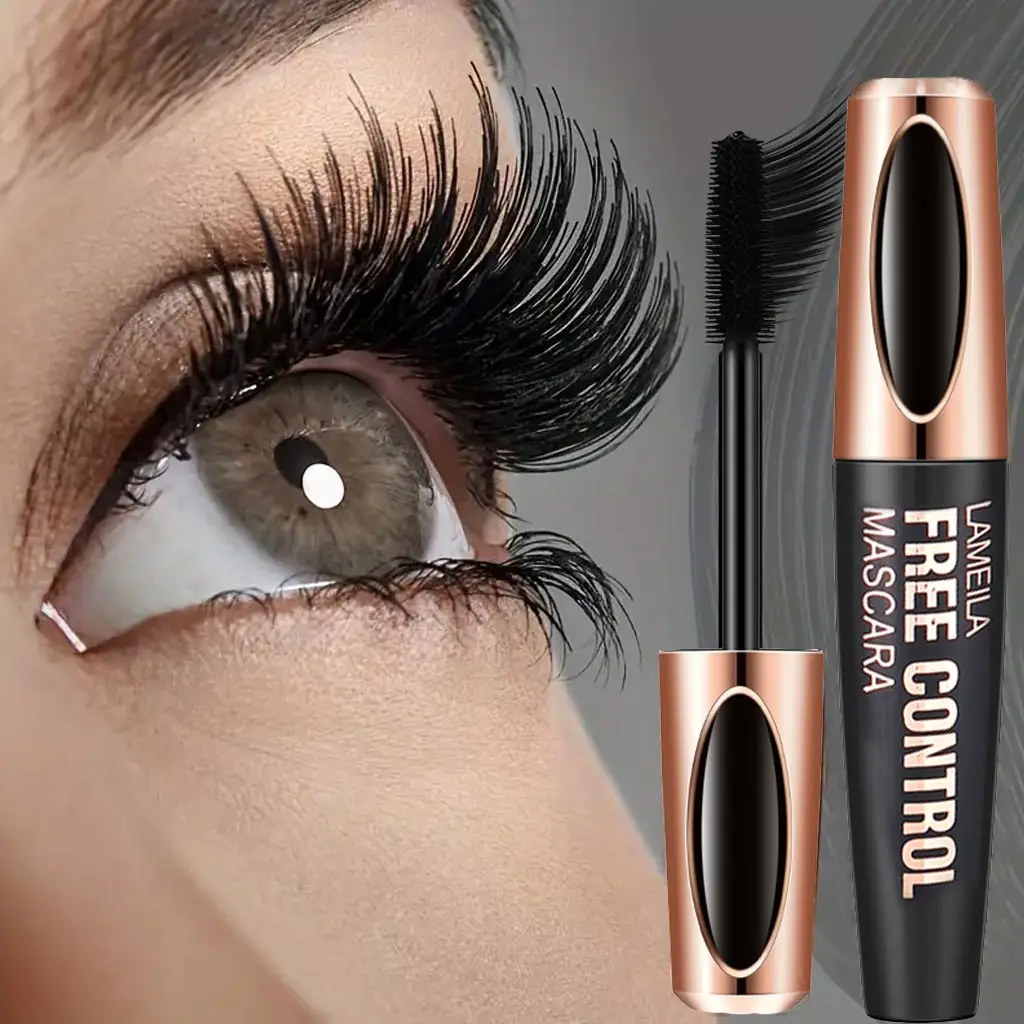
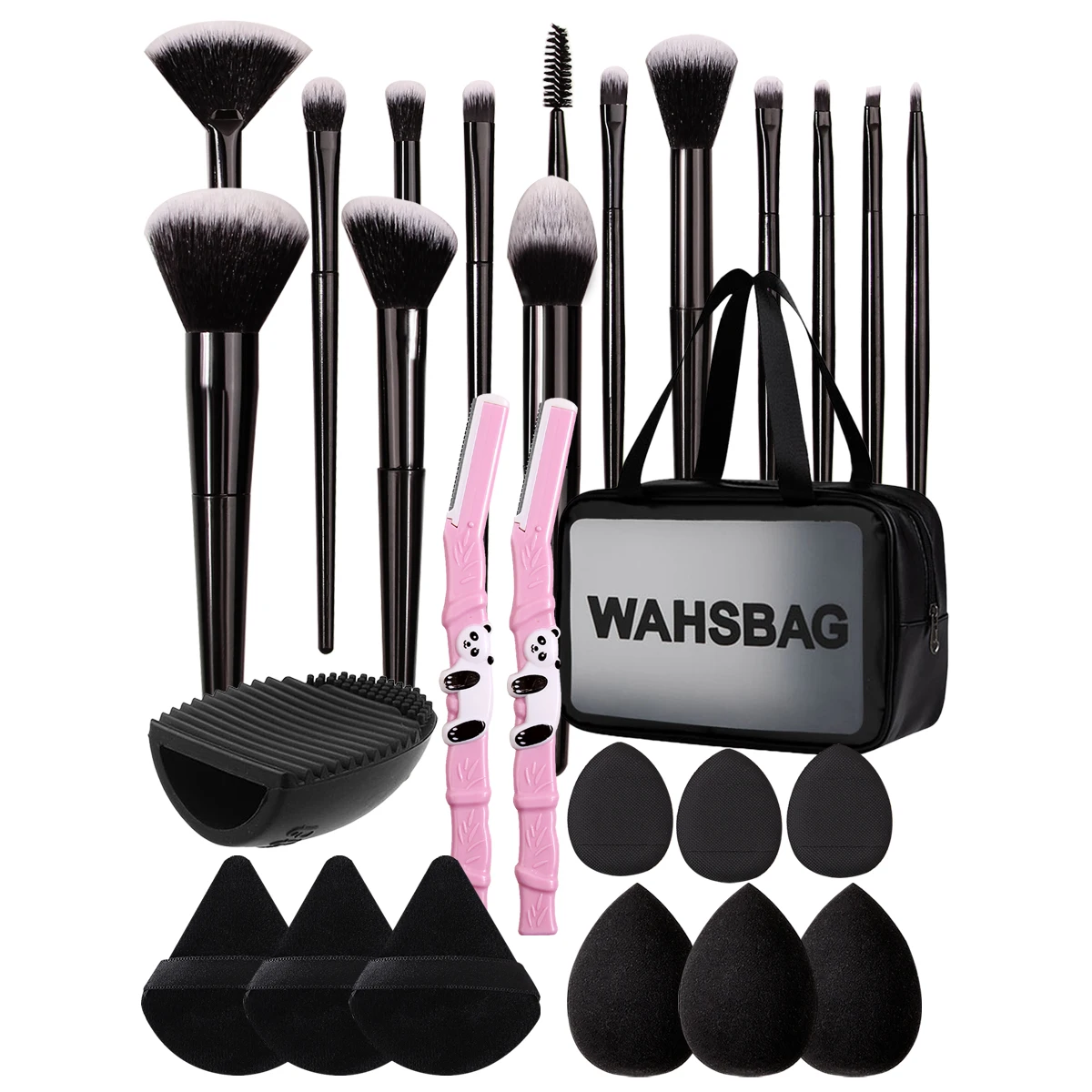
Recommended Makeup Tools

FAQ: contouring for round faces
Can I contour every day? Yes, but keep it minimal. A light dusting of powder contour under foundation works for daily wear, while cream products are better for nights out. Always set with a translucent powder to prevent transfer.
What if my skin looks ashy? You’re likely using a contour shade that’s too cool or too light. Warm up the shadow by layering a peachy-toned blush on top, or switch to a contour product with a neutral undertone. Fair skin tones often benefit from a taupe-based contour rather than a gray one.
How do I prevent creasing? Prep is everything. Exfoliate before application to remove dead skin cells that trap product. Use a hydrating primer to create a smooth canvas, then set with a fine powder. Avoid heavy, emollient foundations over contour, as they can cause sliding.
Is liquid or powder contour better? It depends on skin type. Oily skin holds powder contour longer, while dry skin benefits from liquid or cream formulas that melt into skin. If using liquid, apply before foundation to prevent dragging.
In Short
- Use matte, cool-toned contour one shade darker than your skin, never shimmer.
- Blend upward from cheekbones, not downward, to lift the face.
- Avoid contouring the entire jawline; focus on the lower third and behind the ears.
- Less product and more blending prevent the "overdone" look.
- Always assess in natural light to avoid over-application.
Contouring isn’t about changing your bone structure, it’s about enhancing what’s already there. For round faces, the goal is harmony, not transformation. Master the art of subtle shadow, and you’ll create dimension without distortion.
Remember: makeup should feel like an extension of your skin, not a mask. If it doesn’t look like you, it’s not working.
For further reading on cosmetic safety and product selection, consult the FDA’s cosmetics safety guide or Cleveland Clinic’s breakdown of makeup safety.
Further Reading from Health Authorities
How this article was made
Researched and drafted with AI assistance, then screened by automated checks for originality, exaggerated claims and structure before publishing. No clinician reviewed it, and it is general information rather than medical advice. Read more at About us, or write to us if you spot an error.
Advertising disclosure: the links below are affiliate links. We may earn a commission if you use them, at no extra cost to you. This does not change the article's content, and it is not a medical recommendation.
Browse makeup essentials on Amazon
Mineral foundations, brushes and makeup primers, as an Amazon category search. We have not tested individual products.