The Hidden Biology of Snacking: Why Your Next Bite Matters More Than You Think
Snacking is not inherently problematic, but the timing, composition, and psychology behind it often undermine weight management goals. The body’s response to food is governed by hormonal signals that regulate hunger, satiety, and energy storage. When these signals are disrupted by poor snack choices, the result is not just excess calories but a cascade of metabolic effects that can persist for hours.
Frequent snacking, especially with high-glycemic or ultra-processed foods, can trigger rapid spikes in blood glucose followed by sharp declines that leave individuals feeling hungrier sooner. This metabolic rollercoaster is a primary driver of overeating, as the brain interprets these fluctuations as a need for additional fuel, even when energy stores are sufficient.
Understanding the biological underpinnings of snacking is the first step toward making choices that align with long-term metabolic health. The goal is not to eliminate snacks entirely but to engineer them as tools for metabolic stability rather than disruptions.
How to Design a Snack That Outsmarts Your Hunger Hormones
The hormones ghrelin and leptin act as the body’s primary hunger and satiety regulators. Ghrelin, secreted by the stomach, signals the brain when energy is needed, while leptin, produced by fat cells, communicates fullness. When snacking is poorly managed, ghrelin levels remain elevated, and leptin sensitivity declines, a double-edged sword that makes it harder to recognize when to stop eating.
A well-constructed snack can modulate these hormones by combining protein, fiber, and healthy fats. Protein and fiber slow gastric emptying, prolonging the feeling of fullness, while fats contribute to the release of satiety-promoting hormones like cholecystokinin (CCK). The Harvard Healthy Eating Plate recommends prioritizing whole foods over processed options to support stable blood sugar and hormonal balance.
For example, a snack of Greek yogurt with berries and almonds provides a trifecta of protein (15–20g), fiber (4–6g), and healthy fats (10–12g), which collectively reduce post-snack hunger by up to 50% compared to a high-carb alternative like crackers or a granola bar. This effect is not merely anecdotal; it is rooted in the way macronutrients interact with the gut-brain axis to regulate appetite.
The Metabolic Cost of Poor Snack Choices
Not all calories are metabolized equally. Snacks high in refined carbohydrates and added sugars, such as pastries, flavored yogurts, or pre-packaged bars, trigger a rapid insulin response. While insulin is essential for glucose uptake, chronic spikes can lead to insulin resistance, a condition where cells become less responsive to its signals. Over time, this forces the body to store more energy as fat, particularly in visceral depots around the abdomen.
The Mayo Clinic Nutrition Guide emphasizes that frequent insulin surges also promote lipogenesis (fat creation) and suppress lipolysis (fat breakdown), creating a metabolic environment that favors weight gain. Additionally, these snacks often lack the structural complexity to trigger chewing or prolonged oral processing, which are critical for satiety signaling. A handful of nuts, by contrast, requires more effort to consume, slowing intake and allowing satiety hormones to catch up with consumption.
Myth: All Snacks Are Equal in Their Impact on Weight
Contrary to popular belief, the caloric density and macronutrient profile of a snack are far more predictive of its impact on weight than its calorie count alone. A 200-calorie snack of mixed nuts, for instance, has been shown to reduce subsequent food intake by 30–50% over the next four hours, while a 200-calorie snack of pretzels may increase it by 10–20%. This discrepancy arises from the way different foods interact with the brain’s reward system and metabolic pathways.
Another common misconception is that snacking necessarily leads to weight gain. In reality, strategic snacking can prevent overeating at meals by stabilizing blood sugar and reducing the likelihood of arriving at dinner ravenous. The key is to view snacks as metabolic buffers rather than optional indulgences. When snacks are timed appropriately and composed of whole foods, they can support energy levels without derailing dietary goals.
Step-by-Step Troubleshooting Protocol for Problematic Snacking
Use this protocol to diagnose and correct snacking patterns that contribute to overeating. Each step is designed to isolate the root cause and implement a targeted solution.
Step 1: Identify the Trigger
- Emotional eating: Snacking in response to stress, boredom, or fatigue. Solution: Replace the snack with a non-food ritual (e.g., 5-minute walk, deep breathing, or herbal tea).
- Energy slumps: Mid-afternoon fatigue or post-meal crashes. Solution: Pair a protein source with a complex carb (e.g., apple with almond butter) to sustain energy.
- Habitual grazing: Eating out of routine rather than hunger. Solution: Delay the snack by 10 minutes and reassess hunger on a 1–10 scale.
Step 2: Audit the Snack
- Does it contain at least 10g of protein or 5g of fiber? If not, it may not be satiating enough.
- Is it primarily whole foods (e.g., nuts, seeds, vegetables, lean proteins)? If it comes in a wrapper or contains added sugars, reconsider.
- Does it require chewing? Highly processed snacks often dissolve quickly, bypassing satiety signals.
Step 3: Optimize Timing
- Snacks should be consumed when hunger is genuine but not urgent (e.g., 2–3 hours after a meal).
- Avoid snacking within 1–2 hours of bedtime to prevent disruptions in sleep-related metabolic processes.
Step 4: Portion Control
- Pre-portion snacks into single-serving containers to reduce mindless eating.
- Use smaller plates or bowls to visually downsize portions without feeling deprived.
Step 5: Hydration Check
- Thirst is often misinterpreted as hunger. Drink a glass of water and wait 10 minutes before snacking.
Recommended Health & Fitness Gear



7-Day Action Plan: Reengineer Your Snacking Habits
This plan is designed to reset snacking patterns by replacing high-risk choices with metabolically supportive alternatives. Adjust portion sizes based on individual energy needs and activity levels.
| Day | Snack Plan | Preparation Tip |
|---|---|---|
| Day 1 | Greek yogurt (plain, 2% fat) + ½ cup mixed berries + 1 tbsp chia seeds | Pre-portion into a small container the night before. |
| Day 2 | Hard-boiled eggs (2) + cucumber slices + hummus (2 tbsp) | Boil eggs in advance and store in the fridge. |
| Day 3 | Cottage cheese (½ cup) + pineapple chunks (½ cup) + walnuts (10 halves) | Use frozen pineapple to reduce prep time. |
| Day 4 | Turkey roll-ups: 3 slices turkey breast + 1 slice cheese + mustard, rolled | Assemble the night before for grab-and-go convenience. |
| Day 5 | Edamame (½ cup, shelled) + sea salt + lemon wedge | Buy pre-shelled edamame to save time. |
| Day 6 | Celery sticks + 2 tbsp natural peanut butter + raisins (1 tbsp) | Pre-cut celery and store in water to maintain crispness. |
| Day 7 | Roasted chickpeas (¼ cup) + paprika | Batch-roast a large batch and portion into small bags. |
Mindful Snacking: The Psychological Edge
Even the most nutritionally optimized snack can fail if consumed absentmindedly. People eat up to 20% more when distracted, as the brain’s satiety signals are muted by external stimuli like screens or conversations. To counteract this, practice sensory engagement during snacking:
- Eat without screens or multitasking.
- Chew thoroughly (aim for 20–30 chews per bite) to enhance digestive signaling.
- Pause midway to assess fullness on a 1–10 scale. Stop at 7–8 to avoid overfilling.
Additionally, the color contrast between food and plate can influence portion perception. Using a contrasting plate color (e.g., white plate for dark berries) has been shown to reduce intake by up to 20% in controlled studies, as it heightens visual awareness of portion size.
FAQ: Snacking Questions Answered
Q: Are protein bars a healthy snack option?
A: Only if they meet specific criteria: at least 10g of protein, 3g of fiber, and no more than 5g of added sugars. Many commercial bars contain as much sugar as a candy bar, undermining their satiety benefits. Opt for minimally processed options with whole-food ingredients.
Q: Can I snack before bed without disrupting sleep?
A: A small, protein-rich snack (e.g., ½ cup cottage cheese or a handful of almonds) may improve sleep quality by providing tryptophan, an amino acid precursor to melatonin. Avoid high-fat or spicy foods, which can delay gastric emptying and disrupt sleep architecture.
Q: How do I know if I’m truly hungry or just bored?
A: Rate hunger on a 1–10 scale. True hunger typically presents as a gnawing or empty sensation in the stomach, while boredom-driven eating is often accompanied by a lack of physical cues. Delaying the snack by 10–15 minutes and reassessing can help distinguish between the two.
Q: Is it better to snack or skip snacks entirely for weight loss?
A: Neither approach is universally superior. The key is to align snacking with individual metabolic needs. For those with high activity levels or prolonged gaps between meals, snacks can prevent energy crashes. For others, structured meals with adequate protein and fiber may eliminate the need for snacks.
The Science of Smart Snacking
- Hormonal balance is critical: Protein, fiber, and healthy fats work together to regulate ghrelin and leptin, reducing post-snack hunger.
- Caloric density matters more than calories alone: Whole foods with high water and fiber content (e.g., vegetables, fruits, lean proteins) promote satiety with fewer calories.
- Timing and context are everything: Snacks should be timed to prevent energy crashes and consumed mindfully to avoid overconsumption.
- Processed snacks disrupt metabolism: Refined carbs and added sugars trigger insulin spikes, promoting fat storage and increasing subsequent hunger.
- Hydration and sensory engagement enhance control: Thirst is often misread as hunger, and mindless eating reduces satiety signaling.
By applying these principles, snacking can transition from a liability to a strategic tool for weight management and metabolic health.
Advertising disclosure: the links below are affiliate links. We may earn a commission if you use them, at no extra cost to you. This does not change the article's content, and it is not a medical recommendation.
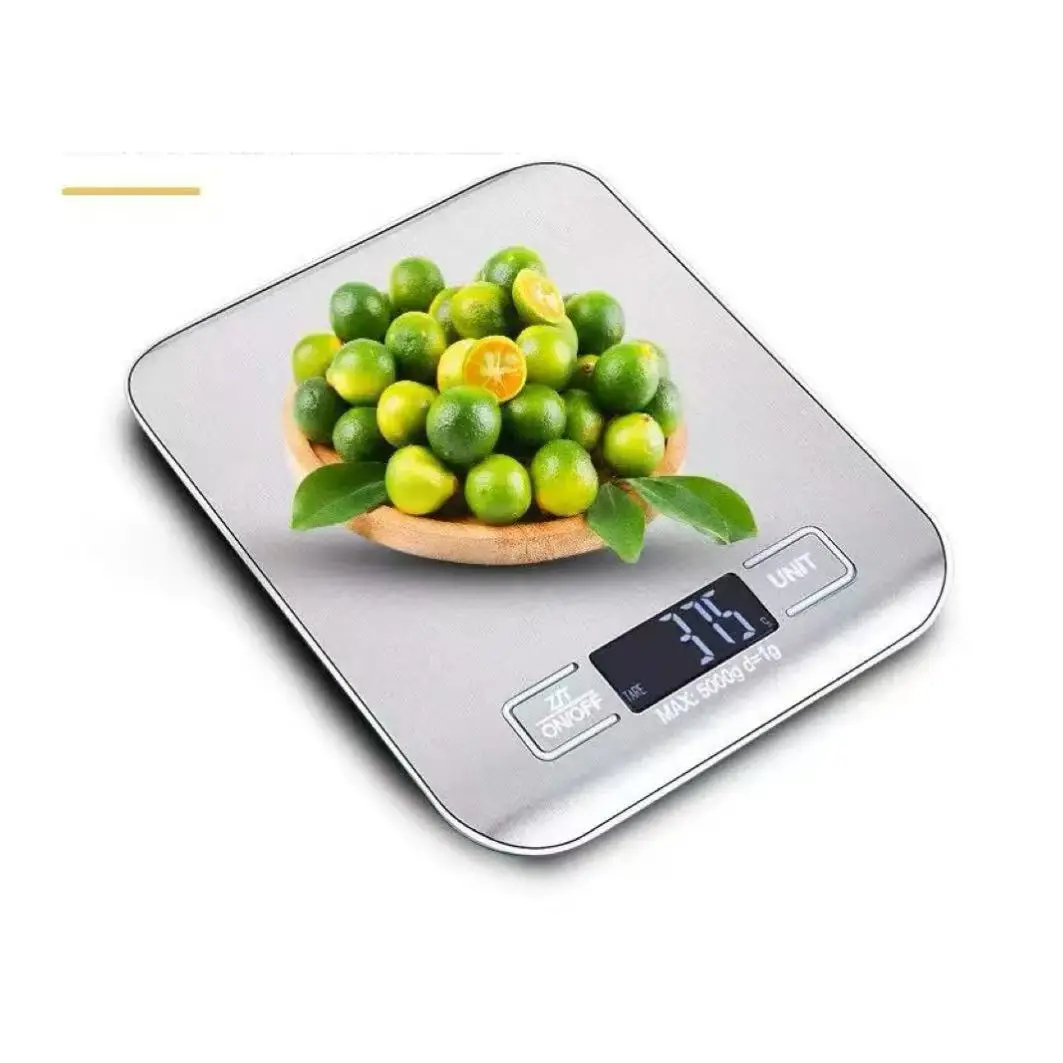
Browse kitchen and portion tools on Amazon
Food scales, portion containers and measuring sets, as an Amazon category search. We have not tested individual products.