Why Sparse Brows Happen: The Biology Behind Thin Eyebrows
Eyebrows are not merely aesthetic, they are a dynamic part of facial anatomy, shaped by genetics, aging, and environmental stressors. As we age, hair follicles naturally shrink in a process called follicular miniaturization, reducing both hair density and thickness. This is particularly noticeable in the outer third of the brow, where hair growth is more sensitive to hormonal fluctuations.
Hormones play a vital role in eyebrow density. For example, thyroid dysfunction, whether hypothyroidism or hyperthyroidism, can disrupt the hair growth cycle, leading to patchy or thinning brows. The thyroid hormone regulates cellular metabolism, including the proliferation of hair follicle cells. When thyroid levels are imbalanced, follicles may enter a prolonged resting phase (telogen), resulting in slower regrowth and reduced density. Similarly, androgen hormones like testosterone can influence brow thickness by shortening the hair growth cycle, particularly in individuals with genetic predispositions to androgenetic alopecia.
Environmental factors also contribute. Chronic stress elevates cortisol, which may indirectly affect hair health by altering nutrient absorption or increasing inflammation around follicles. Additionally, nutritional deficiencies, such as low iron, zinc, or vitamin D, can impair keratin production, the structural protein that makes up hair shafts. Without adequate micronutrients, even healthy follicles may produce weaker, finer hairs.
Choosing the Right Tools: Precision Over Products
When filling sparse brows, the goal is to mimic natural hair growth while avoiding the telltale signs of makeup, harsh lines, unnatural color blocks, or patchy application. The key lies in selecting tools that allow for layered, buildable coverage rather than a single, opaque stroke. Here’s how to approach it:
- Pencils vs. Powders vs. Gels: Pencils offer control but require a steady hand to avoid streaks. Powders diffuse more naturally but can look flat if over-blended. Gels provide a watercolor-like effect, ideal for mimicking fine hairs.
- Fiber-based fillers: Products containing microfibers (e.g., brow fibers) cling to existing hairs, creating the illusion of density without clumping. These are particularly effective for those with very sparse brows.
- Brush selection: A spoolie brush helps blend product evenly, while an angled brush allows for precise hair-like strokes. Avoid flat brushes, which can deposit too much product in one swipe.
For sensitive skin, opt for hypoallergenic and non-comedogenic formulas, as the brow area is prone to irritation. The U.S. FDA recommends patch-testing new products to rule out allergic reactions, especially for those with eczema or rosacea.
Step-by-Step: The Gentle Brow-Filling Technique
The most natural-looking fills start with a light hand and strategic placement. Follow these steps to avoid overdrawing or creating artificial edges:
- Prep the brows: Brush hairs upward with a spoolie to visualize gaps. Trim any excessively long hairs that disrupt the brow line. Cleanse the area to remove oils or residue that could repel product.
- Map the arch: Use a brow pencil to lightly sketch the head, arch, and tail of the brow, following your natural bone structure. This ensures symmetry and prevents over-filling the front of the brow, where hairs are naturally sparser.
- Apply in layers: Start with a powder or gel applied with a spoolie or fingers for a diffused base. Follow with a pencil or fiber product to mimic individual hairs. Use short, feathery strokes in the direction of hair growth, focusing on the outer third where gaps are most common.
- Blend strategically: Use a clean spoolie to soften edges, especially at the tail. Avoid over-blending the front of the brow, where a slightly defined line can look more natural.
- Set with gel: A clear or tinted brow gel tames flyaways and locks the shape in place without adding bulk. For extra hold, apply a second coat sparingly to the tail.
For those with very sparse brows, consider a tinted brow serum to add subtle color between makeup sessions. These serums often contain peptides that may support follicle health over time, though results vary by individual.
Myth Busting: Common Brow-Filling Misconceptions
Myth 1: "The darker the brow, the more natural it looks."
This is a frequent mistake that leads to the "drawn-on" effect. Eyebrows are not uniform in color, they often appear lighter at the roots and darker at the tips due to sun exposure and hair texture. Using a pencil that’s too dark can make brows look harsh, especially in natural light. Instead, choose a shade that’s one to two tones lighter than your hair and blend upward for a gradient effect.
Myth 2: "Filling brows daily damages hair follicles."
While some worry that makeup clogs follicles or weakens hairs, the WebMD guide on cosmetics clarifies that non-comedogenic, properly formulated products do not cause long-term damage. The real culprit is improper removal, leaving makeup on overnight can irritate follicles or clog pores. Always remove brow products with a gentle cleanser or micellar water.
Myth 3: "Microblading is the only solution for sparse brows."
Semi-permanent makeup like microblading can be effective but carries risks, including infection, scarring, or allergic reactions to pigments. The Cleveland Clinic notes that these risks are higher for individuals with sensitive skin or autoimmune conditions. For a non-invasive alternative, focus on high-quality makeup techniques and nourishing serums to enhance natural growth.
Pro Tips for Long-Term Brow Health
While makeup can temporarily enhance sparse brows, supporting follicle health ensures better results over time. Consider these evidence-based strategies:
- Nutrient optimization: Ensure adequate intake of iron, zinc, and biotin, which are critical for keratin production. Foods like eggs, lentils, and pumpkin seeds provide these nutrients without supplementation unless medically indicated.
- Gentle exfoliation: Use a soft-bristled toothbrush or brow brush to exfoliate the brow area 1–2 times weekly. This removes dead skin cells and stimulates circulation to follicles.
- Hydration and sleep: Dehydration and poor sleep disrupt the hair growth cycle by increasing cortisol. Aim for 7–9 hours of sleep and prioritize hydration to support cellular repair.
- Avoid over-plucking: Repeatedly removing hairs can traumatize follicles, leading to slower regrowth. If tweezing, leave a few hairs in sparse areas to encourage natural density.
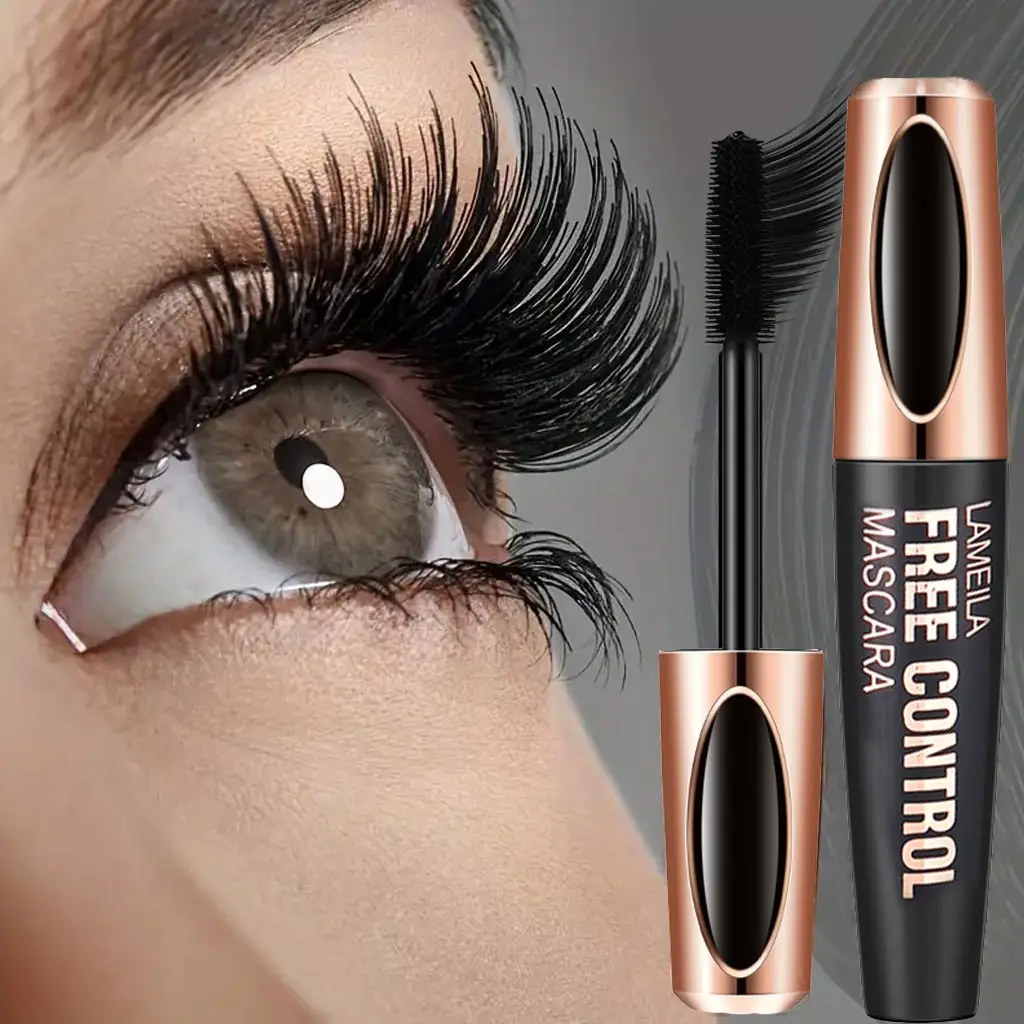
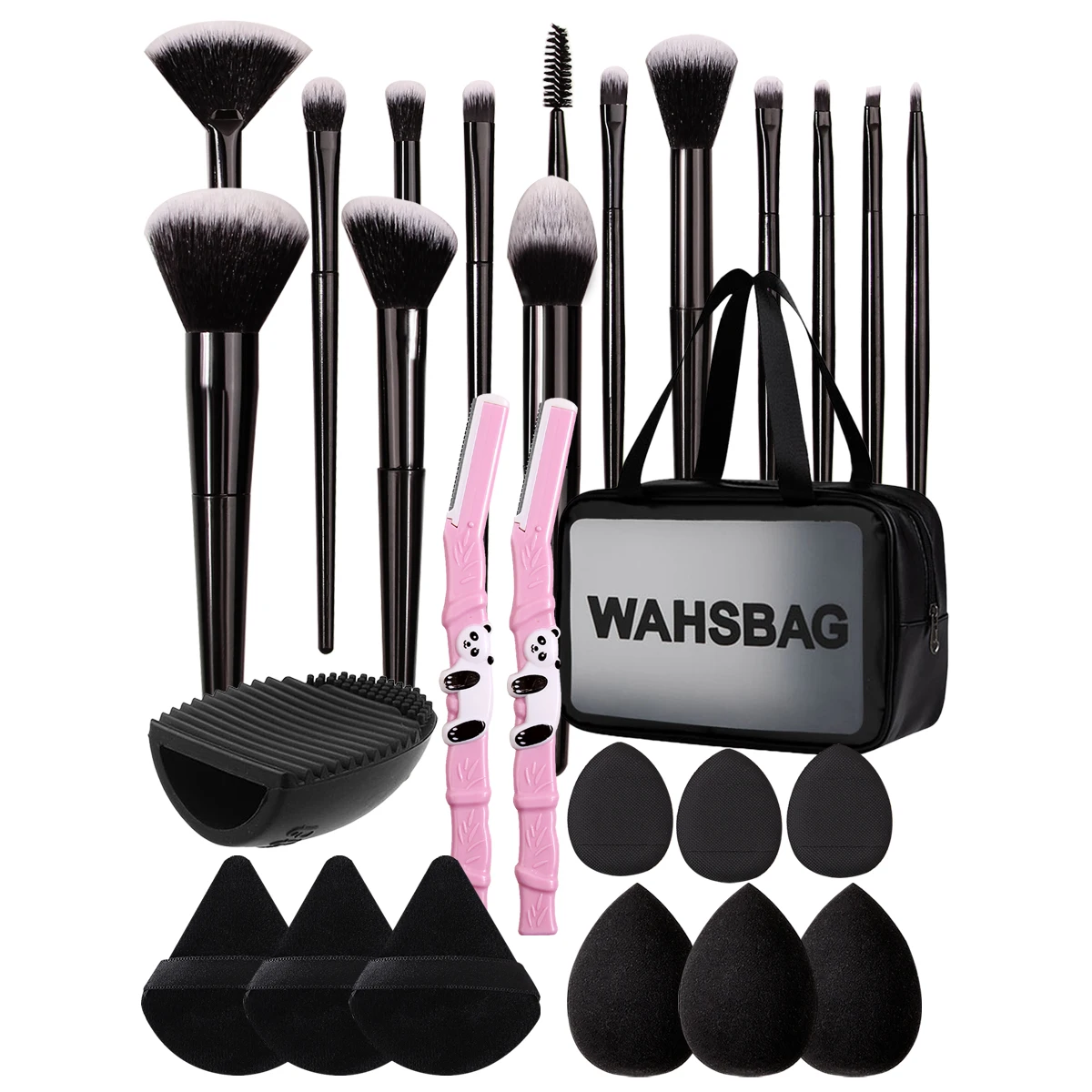
Recommended Makeup Tools

FAQ: Addressing Common Concerns
Q: Can I fill brows if I have sensitive skin or rosacea?
A: Yes, but with precautions. Opt for fragrance-free, mineral-based powders or gels and always patch-test 24 hours before application. Avoid pencils with synthetic dyes, which can irritate. If rosacea flares up, take a break from makeup until the skin calms.
Q: How do I choose a brow product if my hair is gray or white?
A: Gray brows often lack pigment, making them appear lighter than the surrounding skin. Choose a product with a cool-toned gray or taupe shade to avoid a stark contrast. Avoid warm browns, which can look unnatural against silver hair.
Q: Will brow serums like castor oil or peptides regrow my brows?
A: Some serums may improve the appearance of brows by coating hairs or reducing breakage, but they cannot regrow follicles that have miniaturized due to aging or hormonal changes. For medical hair loss, consult a dermatologist to address underlying causes.
Q: How often should I replace my brow products?
A: Brow pencils and powders should be replaced every 6–12 months, as bacteria can accumulate over time. Gel products may last longer if stored properly, but discard them if they change texture or smell.
The Science of Natural-Looking Brows
- Sparse brows often result from follicular miniaturization, hormonal imbalances, or nutritional deficiencies.
- Choose tools based on your brow’s density: fibers for extreme sparsity, powders for diffusion, and gels for a watercolor effect.
- Avoid harsh lines by applying product in layers, blending upward, and using a spoolie for soft edges.
- Darker isn’t always better, opt for shades one to two tones lighter than your hair for a natural gradient.
- Support long-term brow health with nutrient-rich diets, gentle exfoliation, and proper sleep.
Advertising disclosure: the links below are affiliate links. We may earn a commission if you use them, at no extra cost to you. This does not change the article's content, and it is not a medical recommendation.
Browse makeup essentials on Amazon
Mineral foundations, brushes and makeup primers, as an Amazon category search. We have not tested individual products.