Serums That Restore Radiance: The Evidence-Backed Actives for Dull Skin
Dull skin often signals a breakdown in the skin’s natural renewal cycle, where dead cells linger and circulation slows. While genetics and lifestyle factors play a role, targeted serums can help reset this process by addressing dehydration, uneven tone, and sluggish cell turnover. The most effective options combine science-backed actives with consistent application. Below, we explore the serums that consistently improve skin luminosity, backed by dermatological research and clinical observations.
Why Serums Work: The Science of Skin Renewal
Serums penetrate deeper than moisturizers because their molecular structure allows them to bypass the skin’s outer barrier. Key actives like vitamin C, niacinamide, and hyaluronic acid target different pathways to restore glow. Vitamin C, for instance, inhibits melanin transfer to lighten dark spots, while niacinamide strengthens the skin barrier to reduce water loss. Hyaluronic acid, a humectant, binds moisture to plump the skin’s surface.
According to the American Academy of Dermatology, serums with these ingredients are among the most reliable tools for addressing dullness when used as part of a daily routine. The Cleveland Clinic notes that consistent use over 4–6 weeks is typically required to observe visible improvements, as skin cell turnover cycles take time to normalize.
The Top Serums for Glowing Skin
Not all serums are created equal. The most effective options for dull skin fall into three categories: brightening, hydrating, and barrier-strengthening. Below are the actives with the strongest evidence base.
1. Vitamin C Serums: The Gold Standard for Brightening
Vitamin C (L-ascorbic acid) is a potent antioxidant that neutralizes free radicals, which accelerate aging and dullness. It also inhibits tyrosinase, an enzyme involved in melanin production, making it effective for fading post-inflammatory hyperpigmentation and sunspots. It improves skin tone and radiance at concentrations of 10–20%.
For best results, apply vitamin C in the morning after cleansing, followed by a broad-spectrum sunscreen. This prevents oxidation and ensures the serum’s benefits aren’t negated by UV exposure. Look for formulations with ferulic acid or vitamin E, which stabilize vitamin C and enhance its efficacy.
2. Niacinamide Serums: The Multitasking Glow Booster
Niacinamide (vitamin B3) is a versatile active that improves skin texture, reduces redness, and enhances barrier function. It increases ceramide production, which helps retain moisture and smooth rough patches. It also regulates sebum, making it suitable for oily and combination skin types prone to congestion.
Dermatologists often recommend niacinamide for sensitive skin because it rarely causes irritation. Start with a 5% concentration and gradually increase to 10% if tolerated. Apply morning or evening, layered under moisturizer or alone for targeted treatment.
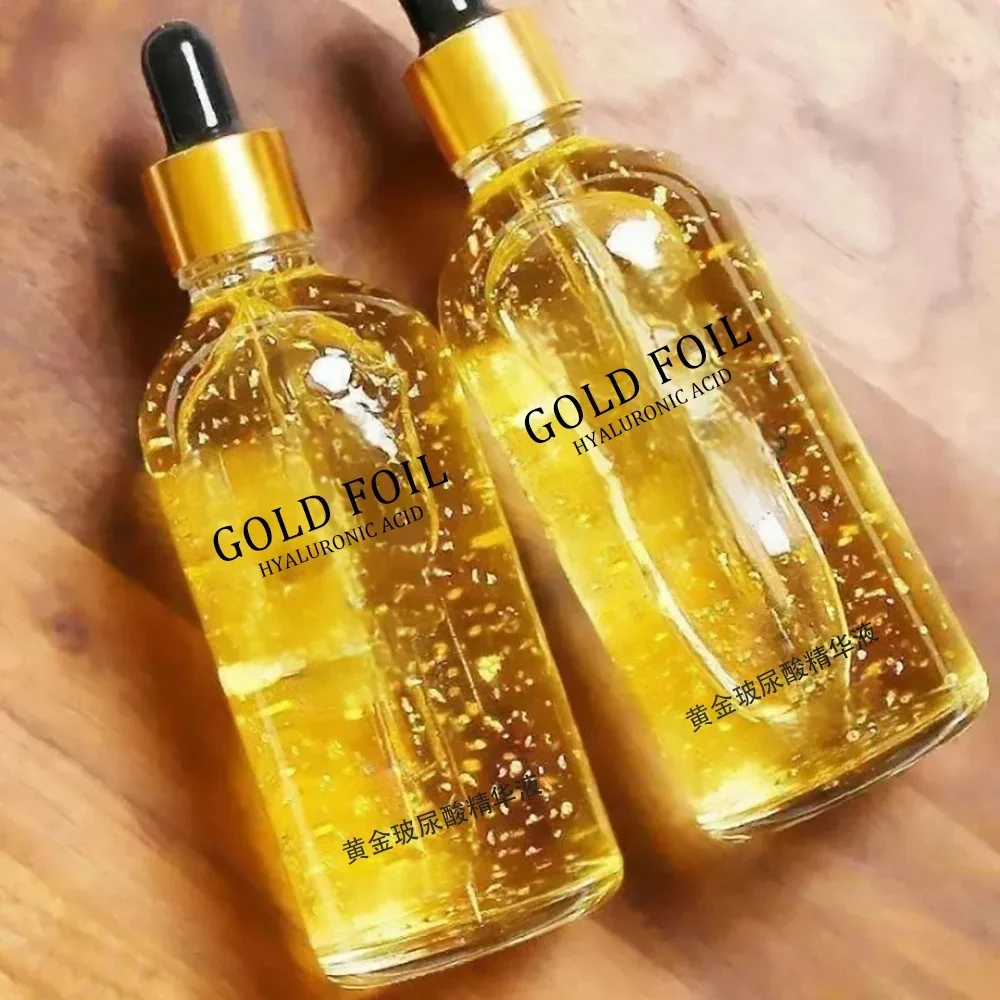
3. Hyaluronic Acid Serums: The Hydration Reset
Hyaluronic acid (HA) is a humectant that attracts and binds water molecules, plumping the skin and temporarily reducing the appearance of fine lines. The Cleveland Clinic emphasizes its role in maintaining skin hydration, which is critical for a healthy glow. Unlike occlusive moisturizers, HA works from within the skin’s layers to improve elasticity and smoothness.
For maximum efficacy, apply HA to damp skin after cleansing. This allows the serum to draw moisture from the environment and deeper skin layers. Pair it with a moisturizer to lock in hydration, especially in dry climates or during winter.
How to Layer Serums for Maximum Impact
Layering serums correctly ensures each active performs optimally. The general rule is to apply products from thinnest to thickest consistency. Here’s a proven sequence for dull skin:
- Step 1: Cleanse with a gentle, pH-balanced cleanser to remove impurities without stripping the skin.
- Step 2: Apply Vitamin C (AM only) as the first serum to target pigmentation and free radicals.
- Step 3: Layer Niacinamide next to strengthen the barrier and even out tone.
- Step 4: Hydrate with Hyaluronic Acid to plump and prep the skin for moisturizer.
- Step 5: Seal with Moisturizer to lock in hydration and support the skin’s barrier.
- Step 6: Sunscreen (AM only) is non-negotiable to prevent UV-induced dullness and pigmentation.
In the evening, skip vitamin C and focus on niacinamide and HA, followed by a richer moisturizer. Consistency is key, skipping days can delay results by weeks.
Common Myths About Dull Skin and Serums
Myth: More product equals faster results. Overloading the skin with multiple serums can lead to irritation, clogged pores, or reduced efficacy. Stick to 2–3 actives at a time and monitor skin tolerance.
Myth: Natural serums are always better. While plant-based ingredients like licorice root or turmeric have benefits, their concentrations in serums are often too low to match the potency of synthetic actives like vitamin C or niacinamide. Efficacy depends on formulation, not just sourcing.
Myth: Serums can replace sunscreen. Even the most potent serums cannot protect against UV damage, which is a leading cause of dullness. Sunscreen is essential for maintaining results.
Troubleshooting Protocol: When Serums Aren’t Working
If dullness persists after 6–8 weeks of consistent use, consider these adjustments:
- Check your routine: Are you applying serums to clean, dry skin? Residual cleanser or oil can block absorption.
- Assess your environment: Low humidity or indoor heating can dehydrate skin, making serums less effective. Use a humidifier if needed.
- Evaluate your diet: Dehydration and nutrient deficiencies (e.g., vitamin C, zinc) can manifest as dull skin. Prioritize hydration and a balanced diet rich in antioxidants.
- Rule out underlying issues: Conditions like hypothyroidism or anemia can cause persistent dullness. Consult a healthcare provider if symptoms persist.
7-Day Action Plan for Brighter Skin
Use this structured routine to jumpstart your glow. Adjust based on your skin type and sensitivity.
| Day | Morning Routine | Evening Routine |
|---|---|---|
| Day 1–3 |
|
|
| Day 4–7 |
|
|
FAQ: Serums for Dull Skin
Q: Can I mix vitamin C and niacinamide in the same routine?
A: Yes, but apply them separately to avoid potential pH interference. Vitamin C works best at a low pH, while niacinamide is more effective at a neutral pH. Layering them sequentially is safe for most skin types.
Q: How long does it take to see results from hyaluronic acid?
A: Hydration effects are immediate, but long-term improvements in plumpness and fine lines may take 4–6 weeks of consistent use.
Q: Are expensive serums always better?
A: Not necessarily. Efficacy depends on ingredient concentration and formulation. A well-formulated 10% vitamin C serum will outperform a poorly designed 20% serum with low bioavailability.
Q: Can serums cause breakouts?
A: Some actives, like niacinamide in high concentrations, can cause purging in the first 2–4 weeks as skin adjusts. If breakouts persist beyond this period, discontinue use and consult a dermatologist.
Key Takeaways
- Vitamin C, niacinamide, and hyaluronic acid are the most evidence-backed serums for dull skin.
- Consistency over 4–6 weeks is required to observe visible improvements in tone and texture.
- Layer serums from thinnest to thickest consistency, and always follow with sunscreen in the morning.
- Environmental factors, diet, and underlying health conditions can impact skin radiance.
- Patch test new serums and introduce actives gradually to avoid irritation.
Related reading
Advertising disclosure: the links below are affiliate links. We may earn a commission if you use them, at no extra cost to you. This does not change the article's content, and it is not a medical recommendation.
Recommended Skin & Hair Care Picks


Browse skincare basics on Amazon
Cleansers, moisturisers and sunscreens, as an Amazon category search. We have not tested individual products.