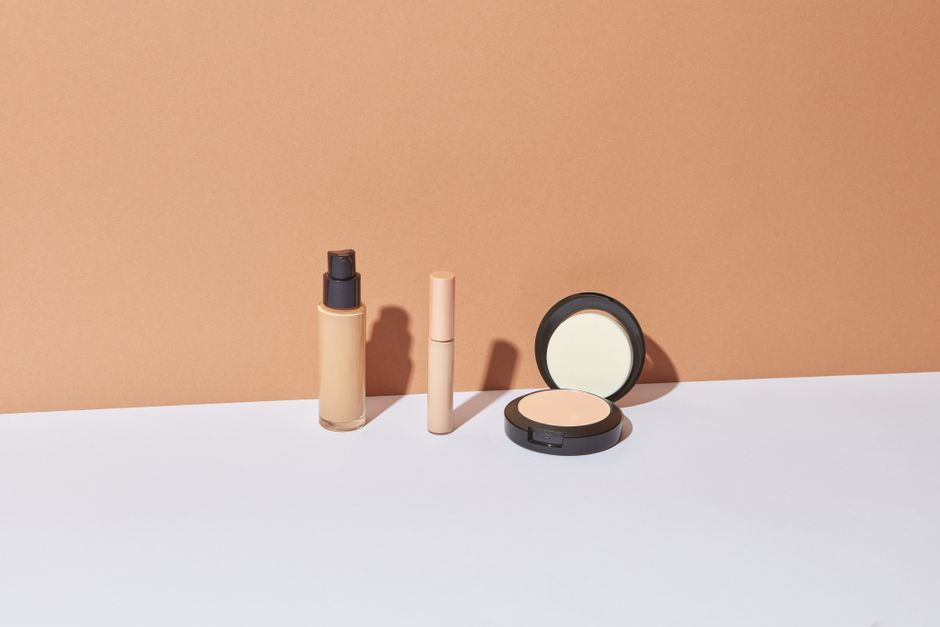
What a concealer actually does under foundation
Concealer isn’t just thicker foundation, it’s a targeted tool. Its job is to neutralize discoloration before the rest of the face is even touched. When you apply it correctly, it sits in the thinnest layer possible over the specific spot that needs correction, then lets your skin’s natural texture show through. The mistake most beginners make is treating it like a second foundation, which creates a cakey line between the two products.
Start with the lightest formula you can tolerate. Maybelline’s Fit Me Concealer, for example, comes in 24 shades and has a thin, serum-like texture that blends without settling into fine lines. If you’re using a stick or pot, warm a tiny amount between two fingers first, this softens the edges so they don’t sit on top of your skin like a mask.
Where to apply concealer before foundation, and where not to
Apply concealer only where you see visible discoloration: under-eye hollows, redness around the nose, or dark spots on the cheeks. Do not use it as a full-face base. Foundation already evens out skin tone; concealer’s role is to fix what foundation can’t.
Under the eyes, the skin is thinner and more permeable. A pea-sized amount of concealer here is plenty, any more and you risk creasing. For redness, dab a dot directly on the irritated area, then tap lightly with a sponge or fingertip. Never drag the product across the skin; dragging stretches capillaries and makes redness worse.
If you’re using a color-correcting concealer first (green for redness, peach for dark circles), apply it in the same precise way: a single dot, then blend outward with a clean sponge or brush. The goal is to neutralize the discoloration without adding extra layers that will peak through foundation.
How to blend concealer without ruining your foundation layer
Blending is where most first-timers go wrong. The key is to use the right tool for the job. A damp beauty sponge (like the Beautyblender) works best for under-eyes because it molds to the curve. For blemishes or redness, a flat synthetic brush gives more control. Never use your fingers unless you’re in a rush, body heat melts the product and pushes it into fine lines.
Press, don’t swipe. Swiping drags the product and can pull foundation off in patches. Pressing seals the concealer into the skin while keeping the texture seamless. If you’re using a sponge, bounce it lightly over the area until the edges disappear. If you’re using a brush, use tiny circular motions that feather out the product.
Set immediately after blending. A light dusting of translucent powder (only where you applied concealer) locks it in place and prevents creasing. Skip this step and your concealer will migrate into fine lines within an hour.
Why your concealer creases, and how to stop it
Creasing happens when concealer sits on top of dry skin or when it’s layered over a heavy foundation. The skin’s natural oils break down the product over time, causing it to fold into expression lines. To prevent this, prep the skin first. A hydrating primer (not a pore-minimizing one) creates a smooth surface for the concealer to adhere to. If your skin is dry, apply a thin layer of moisturizer and let it absorb fully before moving to primer.
Another culprit is the wrong shade. A concealer that’s too light will settle into wrinkles, while one that’s too dark will look like a smudge. Test shades in natural light, not under store lighting. The right shade should disappear into your skin when blended, only the discoloration should remain visible.
Finally, avoid powder-heavy foundations. They create a barrier that traps concealer on top of the skin instead of letting it sink in. Opt for a serum or liquid foundation if you’re prone to creasing.
Can you skip foundation and use concealer alone?
Yes, but only if your skin is already even and you’re dealing with isolated spots. Concealer alone works best for minimal makeup days or touch-ups. For full coverage, foundation is still the better base, it evens out texture and tone so concealer can focus on correction.
If you’re using concealer alone, apply it in thin layers. Start with a tiny amount, blend, then add more only where needed. Over-applying leads to a heavy, mask-like finish. Set with powder to keep it in place, but avoid over-powdering, it can emphasize dryness.
What order works best with Maybelline’s formulas
Maybelline’s Fit Me Concealer and Instant Age Rewind all play well together, but the order matters. If you’re using a color corrector first, apply it, blend, then set with powder. Next comes concealer, blended and set again. Finally, apply foundation over the entire face. This order prevents the concealer from getting lost under thick foundation.
For a no-makeup makeup look, apply concealer after foundation. This way, the foundation evens out the skin, and concealer only enhances what’s already there. Use a shade that matches your skin exactly, no correction needed.
If you’re layering multiple concealers (e.g., color corrector + concealer), always let each layer set before adding the next. Rushing this step causes the products to slide around and blur.
How to touch up concealer without looking cakey
Touch-ups are where most people sabotage their base. The trick is to use the same product and technique you used initially. If you applied concealer with a sponge, use the sponge again. If you used a brush, use the brush. Switching tools can disrupt the blend.
For under-eyes, a tiny dab of concealer on a clean fingertip warms the product and helps it melt into the skin. Press lightly, then set with a fluffy brush and translucent powder. Avoid rubbing, this pulls at the delicate skin and causes creasing.
If you’re out and need a quick fix, blot the area with a tissue first to remove excess oil, then apply a thin layer of powder. This absorbs oil without disturbing the concealer underneath.
When to replace your concealer, and how to tell
Concealer doesn’t expire like food, but it does degrade. Check the packaging for a small jar icon with a number (e.g., 12M). This means the product is good for 12 months after opening. If it smells off, changes texture, or separates, toss it. Using old concealer can cause breakouts or irritation.
Store your concealer in a cool, dry place away from direct sunlight. Heat breaks down the formula, making it grainy or separating. If you keep it in the bathroom, consider transferring it to a smaller, airtight container to minimize exposure to humidity.
Myth: A thicker concealer covers better
Thicker isn’t better, it’s just heavier. Dense formulas sit on top of the skin and emphasize texture. Thin, blendable concealers (like Maybelline’s Instant Age Rewind) sink into the skin and look more natural. The coverage comes from precise application, not the product’s weight.
What this means for your routine
Concealer isn’t a magic eraser. It’s a precision tool that works best when used sparingly and layered correctly. Start with the lightest formula you can tolerate, apply it only where needed, and blend with the right tool. Set it immediately to prevent creasing, and touch up with the same technique you used initially. If you’re using foundation, apply concealer after to avoid a heavy, layered look.
Finally, remember that less is more. A single, well-placed dot of concealer does more for your complexion than globbing on product and hoping for the best.
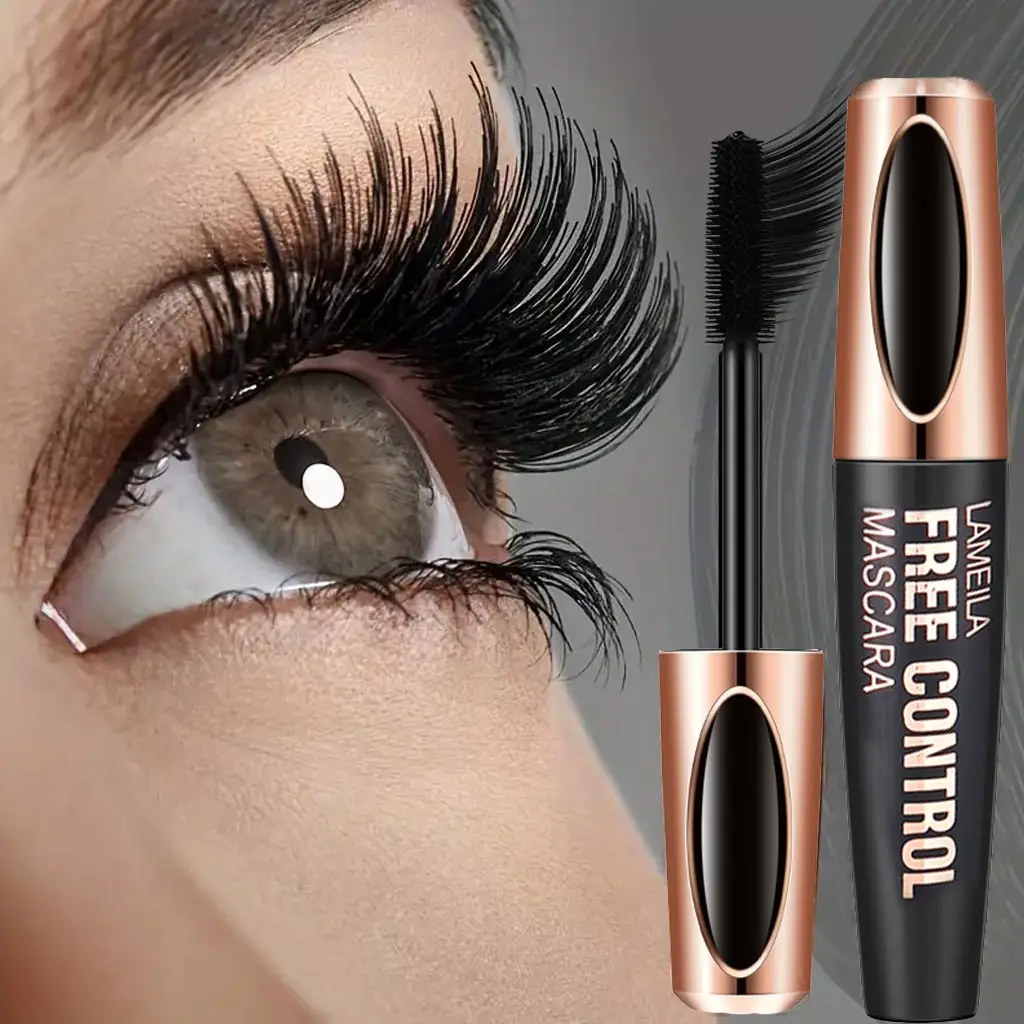
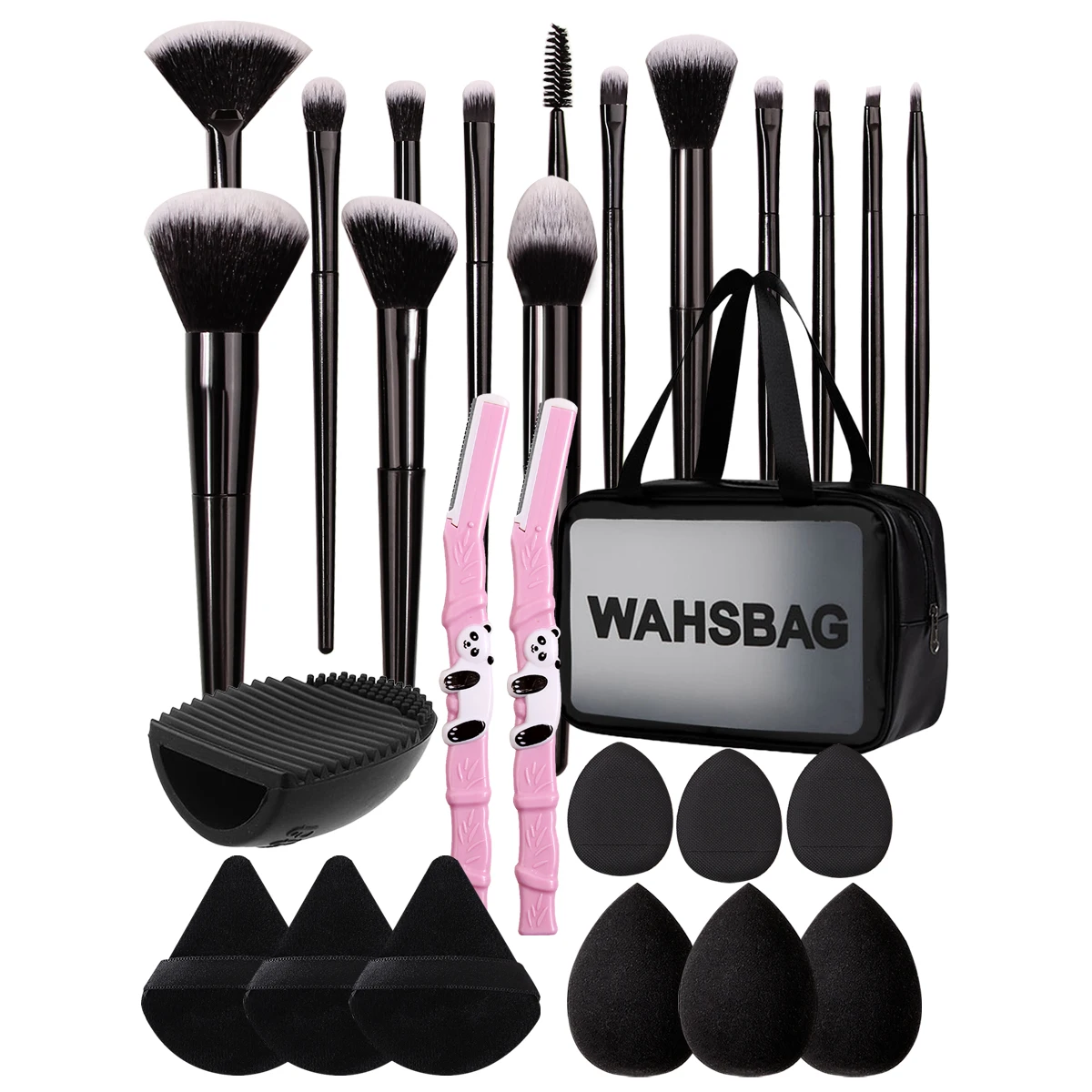
Recommended Makeup Tools

Before you go
- Use the lightest concealer formula you can tolerate, thick isn’t better.
- Apply concealer only where you see discoloration, not as a full-face base.
- Press, don’t swipe, to blend and prevent dragging.
- Set concealer immediately with a light dusting of translucent powder to prevent creasing.
- Store concealer in a cool, dry place and replace it every 12 months after opening.
Further Reading from Health Authorities
How this article was made
Researched and drafted with AI assistance, then screened by automated checks for originality, exaggerated claims and structure before publishing. No clinician reviewed it, and it is general information rather than medical advice. Read more at About us, or write to us if you spot an error.
Further Reading from Health Authorities
Advertising disclosure: the links below are affiliate links. We may earn a commission if you use them, at no extra cost to you. This does not change the article's content, and it is not a medical recommendation.
Browse makeup essentials on Amazon
Mineral foundations, brushes and makeup primers, as an Amazon category search. We have not tested individual products.