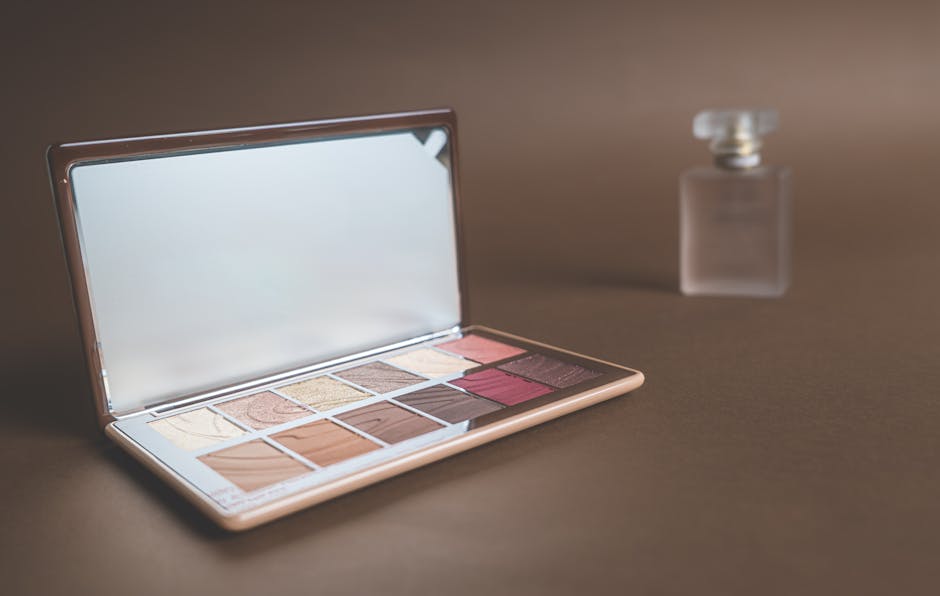
Color Correcting 101: How Green and Peach Concealers Actually Work on Skin
Color correcting is a makeup technique rooted in the science of light reflection and pigment chemistry. The principle is simple: certain shades neutralize unwanted tones in the skin before foundation is applied. Green and peach concealers are two of the most commonly used correctors, each targeting specific discoloration. Understanding their mechanisms can help you choose the right product for your skin’s needs without relying on trial and error.
Why Color Theory Matters in Makeup
Color correcting works because of the color wheel. Opposite colors on the wheel cancel each other out. For example, green neutralizes redness, while peach (or orange) counteracts blue or purple tones like dark circles or hyperpigmentation. This isn’t just a cosmetic trick, it’s a physics-based approach to balancing skin tone before applying foundation or concealer.
However, the effectiveness of these correctors depends on several factors, including skin tone, the type of discoloration, and the formulation of the product. Not all green or peach concealers are created equal, and their performance can vary based on ingredients and application techniques.
The Science Behind Green Concealers for Redness
Green concealers are designed to neutralize redness in the skin, which can stem from conditions like rosacea, acne, or general irritation. The green pigment works by absorbing red light wavelengths, effectively canceling out the red tones in the skin. This creates a more even base for foundation application.
For those with fair to medium skin tones, a green concealer with a light to medium consistency often works best. However, for deeper skin tones, a green concealer may appear ashy if not formulated correctly. In such cases, a peach-toned corrector might be more suitable, as it can neutralize redness while adding warmth.
It’s important to note that while green concealers can temporarily neutralize redness, they do not treat the underlying cause of skin irritation. For persistent redness, it’s advisable to consult a dermatologist to address potential skin conditions.
Peach Concealers: The Go-To for Dark Spots and Under-Eye Circles
Peach concealers are formulated to counteract blue, purple, or gray tones in the skin, such as those caused by dark circles, bruising, or hyperpigmentation. The peach pigment neutralizes these cooler tones by adding warmth, creating a more balanced skin tone. This makes peach concealers particularly effective for medium to deep skin tones, where blue or purple discoloration is more common.
For fair skin tones, a lighter peach or salmon-toned corrector may be more appropriate, as a darker peach can appear too orange. The key is to match the corrector’s shade to your skin tone and the specific discoloration you’re addressing.
Like green concealers, peach correctors are not a long-term solution for dark spots or under-eye circles. They provide a temporary fix by neutralizing discoloration, but addressing the root cause, such as poor sleep, dehydration, or sun damage, requires a more complete routine.
How to Choose the Right Corrector for Your Skin Tone
Selecting the right color corrector starts with identifying your skin’s undertone and the type of discoloration you’re dealing with. Here’s a quick guide to help you choose:
- Fair skin with redness: Opt for a light green concealer to neutralize red tones without overpowering the skin.
- Medium skin with dark circles: A peach-toned corrector can neutralize blue or purple tones while adding warmth.
- Deep skin with hyperpigmentation: A deeper peach or orange corrector can help neutralize dark spots and even out skin tone.
- Sensitive skin: Look for correctors formulated with soothing ingredients like aloe or chamomile to minimize irritation.
It’s also important to consider the formulation of the corrector. Cream-based correctors tend to blend more seamlessly into the skin, while liquid or powder options may be better for oily skin types. Always patch-test new products to ensure they don’t cause irritation or allergic reactions.
Application Tips for Maximum Effectiveness
Applying color correctors correctly is just as important as choosing the right shade. Here are some tips to ensure the best results:
- Start with a clean, moisturized face: Prep your skin with a lightweight moisturizer to create a smooth base for the corrector.
- Use a small amount: A little goes a long way with color correctors. Start with a pea-sized amount and build up as needed.
- Blend with a damp sponge or brush: Use a beauty sponge or foundation brush to blend the corrector evenly into the skin.
- Layer foundation lightly: Apply foundation sparingly over the corrector to avoid disturbing the neutralized base.
- Set with powder: If needed, lightly set the corrector with a translucent powder to prevent creasing or fading.
Remember, the goal of color correcting is to create a balanced base for foundation, not to completely cover discoloration. Over-applying corrector can lead to an unnatural or cakey finish.
Myth Busting: Color Correctors Aren’t a Cure-All
One common misconception about color correctors is that they can permanently fix skin discoloration. While they can temporarily neutralize unwanted tones, they do not address the underlying causes of redness, dark circles, or hyperpigmentation. For example, green concealers can mask redness caused by rosacea, but they won’t treat the inflammation or vascular issues associated with the condition.
Another myth is that color correctors are only for professional makeup artists. In reality, anyone can use them with the right knowledge and technique. The key is to understand your skin’s needs and choose the corrector that best addresses those needs.
Lastly, some people believe that color correctors are only for mature skin. However, they can be beneficial for all ages, especially for those dealing with acne, post-inflammatory hyperpigmentation, or general redness.
Safety and Skin Health Considerations
While color correctors are generally safe for most skin types, it’s important to choose products that are non-comedogenic and formulated for sensitive skin if necessary. The U.S. FDA regulates cosmetics for safety, but it’s still up to consumers to ensure products are suitable for their skin.
For those with sensitive skin, it’s advisable to patch-test new products before applying them to the entire face. If irritation occurs, discontinue use and consult a dermatologist. Additionally, always follow the manufacturer’s instructions for application and removal to minimize the risk of skin damage.
For more guidance on cosmetics and sensitive skin, the WebMD Cosmetics Guide offers practical tips for choosing and using makeup safely.
Final Thoughts: Is Color Correcting Worth It?
Color correcting can be a major breakthrough for those looking to achieve a flawless base for makeup. However, it’s not a one-size-fits-all solution. The effectiveness of green and peach concealers depends on your skin tone, the type of discoloration, and the quality of the product. For best results, choose a corrector that matches your skin’s needs and apply it correctly.
If you’re new to color correcting, start with a small amount and build up as needed. Remember, the goal is to create a balanced base, not to overpower your natural skin tone. And always prioritize skin health by choosing non-irritating, high-quality products.
FAQs About Color Correcting
Can I use green and peach concealers together?
Yes, but with caution. If you have both redness and dark circles, you can layer a green concealer on areas of redness and a peach concealer on areas of blue or purple discoloration. However, avoid applying both directly on top of each other, as this can create a muddy effect. Instead, apply one corrector, blend it in, and then apply the second corrector only where needed.
How long does color correcting last?
The longevity of color-corrected makeup depends on several factors, including your skin type, the products used, and environmental conditions. Generally, a well-applied color corrector can last 8 to 12 hours, but it may require touch-ups throughout the day, especially if you’re exposed to heat or humidity. Setting the corrector with a lightweight powder can help extend its wear time.
Are there any alternatives to green and peach concealers?
Yes, other color correctors target different types of discoloration. For example, lavender concealers can neutralize yellow tones in sallow skin, while yellow concealers can brighten dull or grayish skin. The key is to choose a corrector that complements your skin’s undertone and addresses your specific concerns.
Can color correctors cause breakouts?
Color correctors themselves are not inherently acnegenic, but some formulations may clog pores or irritate sensitive skin. To minimize the risk of breakouts, choose non-comedogenic and fragrance-free products. Always remove makeup thoroughly at the end of the day to prevent clogged pores and irritation. If you have acne-prone skin, consult a dermatologist for product recommendations tailored to your needs.
Before You Go
- Green concealers neutralize red tones by absorbing red light wavelengths, making them ideal for addressing rosacea, acne, or general irritation.
- Peach concealers counteract blue, purple, or gray tones, making them effective for dark circles, bruising, or hyperpigmentation.
- Choose a corrector based on your skin tone and the type of discoloration you’re addressing. Fair skin may benefit from light green, while medium to deep skin tones may need peach or orange correctors.
- Color correctors are a temporary solution and do not treat underlying skin conditions. For persistent issues, consult a dermatologist.
- Apply correctors sparingly and blend them evenly into the skin. Over-applying can lead to an unnatural finish.
- Always patch-test new products and prioritize skin health by choosing non-irritating, high-quality formulations.
Further Reading from Health Authorities
Advertising disclosure: the links below are affiliate links. We may earn a commission if you use them, at no extra cost to you. This does not change the article's content, and it is not a medical recommendation.
Recommended Makeup Tools

Browse makeup essentials on Amazon
Mineral foundations, brushes and makeup primers, as an Amazon category search. We have not tested individual products.