What even is fat adaptation?
You've probably heard the term thrown around in keto circles or seen it pop up in a fitness podcast. But fat adaptation isn't just another buzzword — it's a real metabolic shift where your body gets better at burning fat for fuel instead of relying on glucose. Think of it like training your car to run on diesel after years of premium unleaded. It takes time, but once it clicks, your energy levels stabilize, cravings fade, and yes, fat loss becomes easier.
Here's the catch: most people never get there. Even if they cut carbs or fast for hours, their bodies still default to burning sugar. Why? Because fat adaptation isn't just about what you eat — it's about how your hormones, mitochondria, and even your gut bacteria play together. And spoiler alert: stress, sleep, and even how you hydrate can mess with the whole process.
How do you know if you're fat-adapted?
If you've ever tried a low-carb diet and felt like you were running on fumes for weeks, that's your body screaming, "I don't know how to use fat for energy!" Other signs you're not fat-adapted:
- Energy crashes between meals — You're starving by 3 PM, even if you ate a "perfect" lunch.
- Cravings for sweets or carbs — Your brain keeps demanding quick energy because it's not getting the slow-burning fuel it needs.
- Poor workout performance — You bonk halfway through a HIIT session or feel sluggish during endurance training.
- Stubborn fat loss — The scale isn't budging, even though you're eating "clean" and exercising.
I remember when I first tried keto. After two weeks, I was exhausted, irritable, and convinced the diet was a scam. Turns out, my body was still glucose-dependent. It took about six weeks of consistency before I noticed my energy steady out — and my cravings vanished. That's when I knew I'd crossed into fat-adapted territory.
Why your body prefers sugar over fat (and how to fix it)
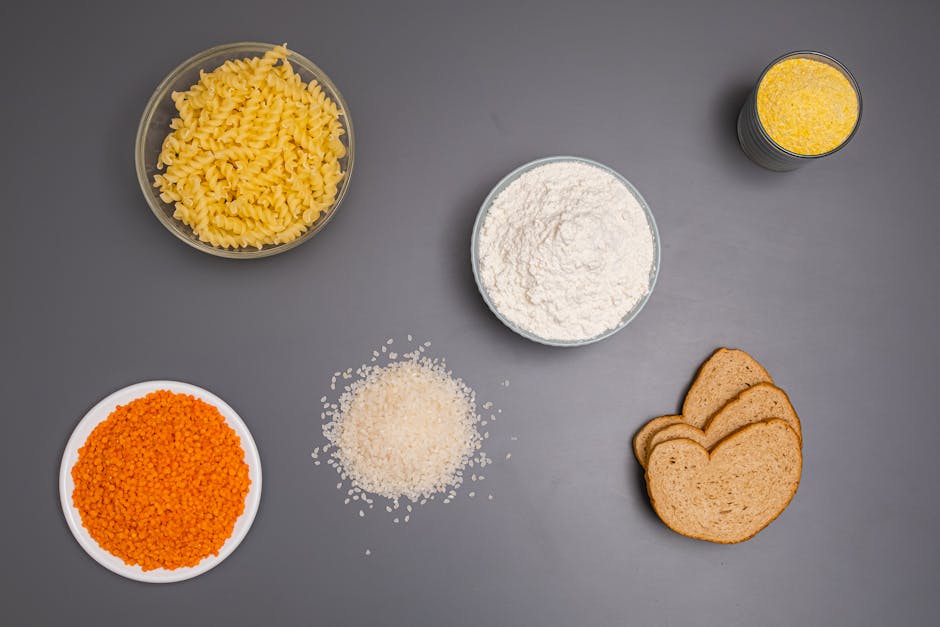
Your body's default setting is to burn glucose because it's the fastest, most efficient fuel source. But when you eat a high-carb diet (think pasta, bread, fruit juices), your cells get lazy. They stop efficiently using fat stores, and you become what's called "metabolically inflexible." A 2016 study in Cell Metabolism found that people who ate high-carb diets had mitochondria that struggled to switch between fuel sources, while those on low-carb diets showed improved fat-burning capacity after just four weeks Source.
Here's the kicker: insulin resistance makes this worse. When your cells are resistant to insulin, glucose lingers in your bloodstream, and your body never gets the signal to tap into fat stores. That's why you can eat a "healthy" salad with a vinaigrette and still feel hungry an hour later — your body isn't accessing the fat in the dressing or the protein in the greens efficiently.
So how do you flip the switch? It's not just about cutting carbs. You've got to:
- Prioritize protein at every meal — Aim for 30-40g per meal to support muscle and keep you full. A 2018 study in Obesity showed that higher protein intake improved fat oxidation in overweight adults Source.
- Time your carbs strategically — If you're active, eating carbs around workouts can help replenish glycogen without derailing fat adaptation.
- Manage stress and sleep — Cortisol (your stress hormone) tells your body to hold onto fat. Poor sleep disrupts the hormones that regulate hunger and fat storage. The Magic of Sleep and Reducing Stress has some practical tips here.
Does fat adaptation mean you can eat all the fat you want?
Not so fast. Fat adaptation doesn't give you a free pass to gorge on butter, bacon, and cheese. While you can tolerate more fat once adapted, overeating any macronutrient — even healthy fats — can still lead to fat storage. The key is balance. Your body still needs fiber, vitamins, and phytonutrients from plants to function optimally.
I learned this the hard way when I gained 5 pounds after a week of eating nothing but ribeye and avocado. Turns out, my calorie intake was still too high for my activity level. Fat adaptation helps you burn fat more efficiently, but it doesn't make you immune to the laws of thermodynamics.
If you're new to fat adaptation, start by tracking your food for a week to ensure you're not overdoing it on calories. And don't forget to include Why You've Been Drinking Water All Wrong! — dehydration can mimic hunger and throw off your fat-burning signals.
How long does it take to become fat-adapted?
It varies, but most people need 4-12 weeks of consistent low-carb eating (under 100g net carbs/day) to see real changes. Some lucky folks adapt faster, while others (like me) take longer. Factors that speed it up:
- Exercise — Strength training and zone 2 cardio (like brisk walking or cycling) help your muscles get better at using fat for fuel.
- Fasting — Even 12-16 hours of fasting can accelerate the process by depleting glycogen stores.
- Stress management — High cortisol slows fat adaptation. Try yoga, walking, or even a 5-minute breathing exercise.
One thing that surprised me? How much my digestion improved once I cut processed foods. My gut bacteria shifted, and suddenly, I wasn't bloated after every meal. That alone made the transition worth it.
What if you slip up?
Here's the good news: fat adaptation isn't all-or-nothing. If you eat a high-carb meal (like a slice of pizza or a bowl of pasta), your body will temporarily switch back to burning sugar. But within 24-48 hours of returning to low-carb eating, you'll bounce back. The key is consistency, not perfection.
I once ate an entire bag of gummy bears at a party (yes, I'm a grown adult). The next day, I felt sluggish and craved sugar again. But I didn't throw in the towel. I just got back on track at my next meal. Fat adaptation is a skill, and like any skill, it gets rusty if you don't practice.
Quick tips to support fat adaptation
- Eat more fiber — Aim for 30g/day from veggies, nuts, and seeds. Fiber feeds your gut bacteria, which play a role in fat metabolism.
- Get enough magnesium — This mineral is involved in over 300 enzymatic reactions, including fat breakdown. A good magnesium supplement might help if you're deficient. Source.
- Move more, but not too hard — Long, slow walks and light resistance training are better for fat adaptation than intense HIIT sessions.
FAQs about fat adaptation
Can you be fat-adapted and still eat carbs?
Yes! Once you're fat-adapted, you can reintroduce carbs strategically — like around workouts or on higher-activity days — without losing your fat-burning edge. The key is to keep carbs below your personal tolerance level (which varies by person).
Does fat adaptation help with weight loss if you're not doing keto?
Absolutely. Fat adaptation isn't exclusive to keto. Even if you eat some carbs, focusing on whole foods, protein, and healthy fats can improve your body's ability to burn fat. A 2020 study in The American Journal of Clinical Nutrition found that people on a Mediterranean diet (which includes carbs) still saw improvements in fat oxidation after 12 weeks Source.
What's the biggest mistake people make when trying to get fat-adapted?
They cut carbs too aggressively without replacing them with enough protein or healthy fats. Your body needs building blocks to function, and if you're not eating enough, you'll feel awful — and likely quit. Also, many people ignore sleep and stress, which are just as important as diet for fat adaptation.
Key takeaways
- Fat adaptation is about training your body to burn fat efficiently, not just cutting carbs.
- It takes 4-12 weeks of consistency to see real changes, but the benefits (stable energy, fewer cravings) are worth it.
- Protein, fiber, and stress management are just as important as carb restriction.
- You can still eat carbs once adapted — just time them right.
- Slip-ups happen. The goal is progress, not perfection.
Recommended Health & Fitness Gear