Does Alcohol Really Make You Gain Weight? The Metabolic Truth
Alcohol’s relationship with weight gain is often oversimplified. While it’s true that alcoholic beverages contain calories, the full story involves how alcohol disrupts metabolism, alters appetite, and reshapes fat storage, especially around the abdomen. Understanding these mechanisms is critical for anyone balancing social drinking with weight management goals.
Calories in alcohol are not metabolized like those from food. A gram of alcohol delivers 7 calories, nearly as much as fat, yet it’s processed differently in the body. Unlike carbohydrates or proteins, alcohol is treated as a toxin and prioritized for immediate breakdown by the liver. This metabolic detour slows the oxidation of other macronutrients, particularly fats, which may then be redirected toward storage when alcohol is consumed in excess.
Chronic alcohol consumption can impair mitochondrial function in liver cells, reducing the organ’s capacity to burn fat efficiently. Over time, this metabolic strain may contribute to visceral fat accumulation, a risk factor for metabolic syndrome and cardiovascular disease.
How Alcohol Affects Fat Storage and Appetite
Alcohol’s impact on fat storage extends beyond its caloric content. It influences two key hormones: ghrelin and leptin. Ghrelin, the hunger-stimulating hormone, rises after alcohol consumption, while leptin, which signals satiety, declines. This hormonal shift can lead to increased food intake, particularly of high-calorie, carbohydrate-rich foods often paired with drinks.
Additionally, alcohol lowers inhibitions, making it easier to overeat. Studies referenced in the Harvard T.H. Chan School of Public Health nutrition guide show that people consume up to 20% more calories on days they drink, often from snacks rather than the alcohol itself. This effect is amplified by alcohol’s suppression of the prefrontal cortex, the brain region responsible for decision-making, further reducing dietary restraint.
Visceral fat, the dangerous fat that surrounds internal organs, is particularly sensitive to alcohol’s metabolic disruptions. Chronic drinking increases cortisol levels indirectly by disrupting sleep and elevating stress responses, which can promote fat storage in the abdominal region. However, it’s important to note that cortisol’s role in fat accumulation is indirect, it primarily drives appetite and cravings rather than directly causing fat storage without an energy surplus.
Calories in Common Alcoholic Drinks: A Comparison
Not all alcoholic beverages are equal when it comes to weight management. The caloric content varies widely based on alcohol by volume (ABV) and added sugars. Below is a breakdown of standard drink sizes and their approximate calorie counts:
- Light beer (12 oz, 4.2% ABV): ~100 calories
- Regular beer (12 oz, 5% ABV): ~150 calories
- Dry wine (5 oz, 12% ABV): ~120 calories
- Sweet wine (5 oz, 12% ABV): ~160 calories
- Vodka soda (1.5 oz vodka, 0 calories): ~97 calories
- Margarita (8 oz, 15% ABV): ~350 calories
- Piña colada (6 oz, 20% ABV): ~520 calories
Mixers are a major source of hidden calories. Sugary sodas, juices, and cream-based liqueurs can double or triple the calorie count of a drink. Opting for zero-calorie mixers like soda water, diet tonic, or fresh citrus can significantly reduce caloric intake without sacrificing flavor.
Myth: All Alcohol Causes Belly Fat
A common misconception is that alcohol directly causes belly fat. In reality, fat gain occurs when total caloric intake exceeds expenditure over time. Alcohol’s role is more nuanced: it can facilitate overeating, disrupt metabolism, and promote fat storage in the abdomen, but it does not inherently create fat without an energy surplus.
Another myth is that wine is inherently fattening. While wine contains calories and may be consumed in larger quantities than spirits, moderate red wine consumption has been associated with certain cardiovascular benefits. The key is moderation and pairing wine with nutrient-dense foods to mitigate its metabolic impact. The Mayo Clinic Nutrition Guide advises limiting alcohol to one drink per day for women and two for men to minimize health risks.
It’s also worth noting that alcohol’s effect on fat storage is not uniform across individuals. Genetics, baseline body composition, and overall diet quality play significant roles in how alcohol influences weight gain.
Alcohol and Weight Loss: Can You Drink and Still Lose Weight?
Weight loss requires a caloric deficit, and alcohol can complicate this equation. However, it’s possible to incorporate moderate drinking into a weight loss plan with strategic planning. The primary challenge is that alcohol calories are not satiating, and they displace nutrient-dense foods in the diet.
To minimize disruption, consider the following guidelines:
- Prioritize lower-calorie drinks: Spirits with zero-calorie mixers (e.g., vodka soda with lime) are preferable to sugary cocktails.
- Limit frequency: Spacing out drinks over the week reduces cumulative caloric intake and metabolic strain.
- Pair with protein and fiber: Consuming a balanced meal before drinking slows alcohol absorption and curbs overeating.
- Stay hydrated: Alcohol is a diuretic, and dehydration can mimic hunger. Alternating alcoholic drinks with water helps prevent unnecessary snacking.
Strength training can also mitigate some of alcohol’s negative effects by preserving lean muscle mass during a caloric deficit. Muscle tissue is metabolically active and helps maintain resting energy expenditure, but it does not dramatically increase metabolism as some claims suggest.
7-Day Alcohol and Weight Management Action Plan
This structured plan balances social drinking with weight management goals. Adjust portion sizes and drink choices based on individual tolerance and activity levels.
| Day | Drinking Guidelines | Nutrition Focus | Activity Suggestion |
|---|---|---|---|
| Monday | No alcohol | High-protein breakfast, fiber-rich lunch | 30-minute walk |
| Tuesday | 1 drink (vodka soda) | Balanced dinner with lean protein and vegetables | Strength training session |
| Wednesday | No alcohol | Hydrating foods (cucumber, watermelon) | Yoga or stretching |
| Thursday | 2 drinks (dry wine) | Pre-drink snack: Greek yogurt with berries | 30-minute cardio |
| Friday | 1 drink (light beer) | Post-drink meal: grilled chicken salad | Rest day or light activity |
| Saturday | 2 drinks (spirits with zero-calorie mixer) | Hydrate with electrolytes | Social activity (dancing, walking) |
| Sunday | No alcohol | High-fiber dinner (quinoa, roasted vegetables) | Recovery walk |
Key Notes:
- Always consume a meal or snack before drinking to slow alcohol absorption.
- Alternate alcoholic drinks with water to prevent dehydration and overeating.
- Choose drinks with the lowest calorie content and avoid sugary mixers.
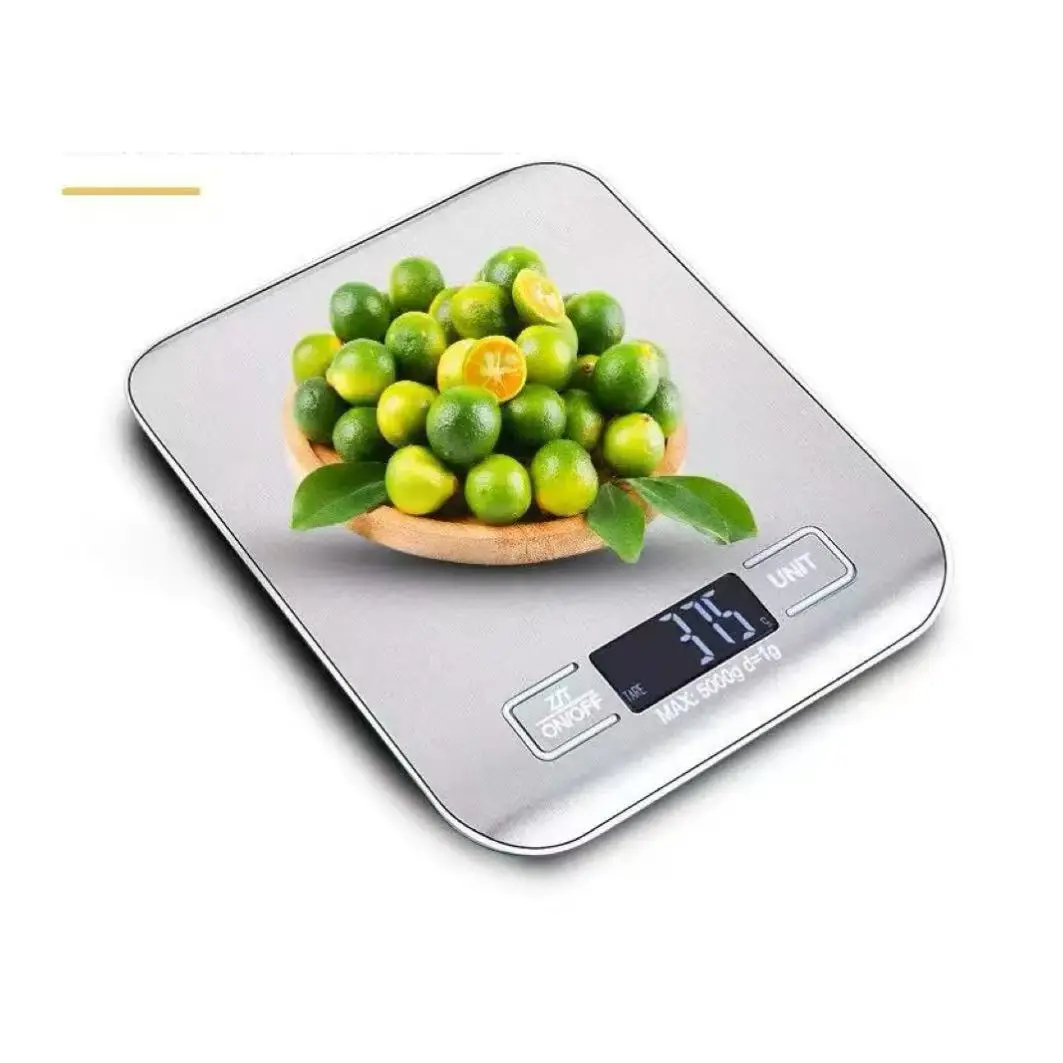
Recommended Health & Fitness Gear



Troubleshooting: When Weight Loss Stalls Despite Moderate Drinking
If weight loss plateaus despite following moderate drinking guidelines, consider these potential culprits:
- Hidden calories in mixers: Swap sugary sodas for soda water or diet tonic.
- Increased snacking: Keep pre-portioned healthy snacks (nuts, veggies) on hand to curb cravings.
- Sleep disruption: Alcohol fragments sleep, which can elevate cortisol and increase appetite the next day.
- Underestimating portions: Use a jigger or measuring tool to track drink sizes accurately.
- Alcohol frequency: Even moderate daily drinking can accumulate calories over time.
Addressing these factors often restores progress without requiring complete abstinence.
The Bottom Line
- Alcohol’s 7 calories per gram are not metabolized like food calories, and chronic consumption can impair fat oxidation.
- Alcohol increases ghrelin and decreases leptin, driving appetite and overeating.
- Visceral fat accumulation is linked to alcohol’s metabolic disruptions, but fat gain ultimately depends on energy balance.
- Lower-calorie drinks and moderation are critical for minimizing weight gain.
- Strategic meal timing and hydration can mitigate alcohol’s negative effects on weight management.
FAQ: Alcohol and Weight Gain
Does alcohol cause belly fat directly?
Alcohol does not directly cause fat storage, but it can facilitate overeating, disrupt metabolism, and promote fat accumulation in the abdomen over time.
What are the best alcoholic drinks for weight loss?
Spirits with zero-calorie mixers (e.g., vodka soda, gin and tonic with diet tonic) are the lowest-calorie options. Dry wine and light beer are moderate choices.
Can I lose weight while drinking alcohol?
Yes, but it requires careful planning. Prioritize lower-calorie drinks, limit frequency, and pair alcohol with balanced meals to minimize metabolic disruption.
Does alcohol slow metabolism?
Alcohol is metabolized as a priority by the liver, which can temporarily slow the oxidation of other macronutrients. Chronic consumption may impair mitochondrial function, reducing the liver’s capacity to burn fat efficiently.
Advertising disclosure: the links below are affiliate links. We may earn a commission if you use them, at no extra cost to you. This does not change the article's content, and it is not a medical recommendation.
Browse kitchen and portion tools on Amazon
Food scales, portion containers and measuring sets, as an Amazon category search. We have not tested individual products.