The Science of Satiety: How Smart Snacking Regulates Hunger and Energy
Hunger is not just a signal from your stomach, it’s a complex hormonal conversation involving ghrelin, leptin, insulin, and peptide YY. When these signals are out of sync, cravings spike, energy crashes, and overeating becomes more likely. The right snacks can act as metabolic mediators, stabilizing blood sugar, prolonging satiety, and preventing the physiological stress that drives impulsive eating.
Snacks combining protein and fiber blunt postprandial glucose spikes more effectively than carbohydrate-only options. This dual approach leverages the slow-digesting properties of fiber with the satiating power of protein to extend fullness without excessive calorie intake. The goal is not to eliminate hunger entirely but to manage it strategically through nutrient-dense choices that align with metabolic needs.
High-Protein Snacks: The Metabolic Anchor for Weight Loss
Protein is the most satiating macronutrient because it triggers the release of peptide YY and glucagon-like peptide-1 (GLP-1), hormones that slow gastric emptying and signal fullness to the brain. Protein-rich snacks reduce subsequent calorie intake by up to 10% compared to high-carb alternatives, particularly when consumed mid-afternoon when energy dips peak.
Optimal protein snacks deliver at least 10 grams of high-quality protein per serving. Greek yogurt, cottage cheese, hard-boiled eggs, and edamame fit this criterion while offering additional benefits like probiotics, calcium, or antioxidants. For plant-based eaters, roasted chickpeas and tempeh provide comparable satiety with the added advantage of fiber and resistant starch.
Top High-Protein Snack Picks
- Greek yogurt (plain, 2% or full-fat): 15–20g protein per ¾ cup serving, plus probiotics that may improve gut-brain signaling related to appetite regulation.
- Cottage cheese (low-sodium): 14g protein per ½ cup, rich in casein, a slow-digesting protein that sustains amino acid availability for hours.
- Hard-boiled eggs: 6g protein per egg, paired with choline, a nutrient linked to improved cognitive function and reduced cravings.
- Edamame: 17g protein per cup, offering complete plant protein with folate and magnesium, which support energy metabolism.
Fiber-Rich Snacks: The Slow-Burning Fuel for Steady Energy
Fiber doesn’t just feed your gut microbiome, it physically slows digestion, creating a gradual release of glucose that prevents the insulin spikes driving hunger 90 minutes later. The Harvard Healthy Eating Plate recommends aiming for 25–38 grams of fiber daily, with at least 8–10 grams coming from snacks to optimize satiety.
Soluble fiber, found in oats, chia seeds, and apples, forms a gel-like substance in the gut that delays gastric emptying. Insoluble fiber, abundant in nuts and vegetables, adds bulk to meals, mechanically promoting fullness. Combining both types in a snack creates a synergistic effect that outlasts either alone.
Top Fiber-Rich Snack Picks
- Chia pudding (2 tbsp chia seeds + almond milk): 10g fiber per serving, with omega-3s that may reduce inflammation linked to overeating.
- Avocado slices on whole-grain crispbread: 6g fiber per ½ avocado, plus monounsaturated fats that enhance satiety hormone sensitivity.
- Roasted chickpeas (1 oz): 6g fiber and 7g protein, offering a crunchy, portable option with resistant starch that resists digestion.
- Berries with almonds: 4g fiber per cup of raspberries and 3g per 1 oz almonds, delivering antioxidants that may reduce oxidative stress in appetite-regulating brain regions.
Balanced Snacks: The Gold Standard for Fullness and Focus
The most effective snacks pair protein, fiber, and healthy fats in a ratio that aligns with individual energy needs. The Mayo Clinic suggests snacks should contain 150–250 calories for most adults, with a macronutrient split of 30% protein, 40% complex carbs, and 30% fat to maximize satiety without excess calories.
For example, a snack of 2 rice cakes with 2 tbsp almond butter and ½ cup blueberries delivers 220 calories, 8g protein, 7g fiber, and 10g healthy fats. This combination stabilizes blood sugar, supports neurotransmitter production, and provides steady energy for cognitive tasks.
Sample Balanced Snack Formulas
- Savory: 1 small whole-wheat pita + 2 tbsp hummus + cucumber slices (180 cal, 7g protein, 6g fiber).
- Sweet: 1 small apple + 1 oz cheddar cheese + 10 almonds (210 cal, 9g protein, 5g fiber).
- Crunchy: ¼ cup roasted edamame + 1 tbsp pumpkin seeds (170 cal, 12g protein, 5g fiber).
Timing and Context: When Snacks Help (and When They Don’t)
Snacking is not universally beneficial. The Mayo Clinic notes that structured snacking works best for individuals with consistent meal spacing, while others may thrive with three larger meals. The key is to align snacks with natural hunger cues rather than rigid schedules.
Mid-morning and mid-afternoon are the most common hunger peaks due to circadian rhythms in cortisol and ghrelin. A protein-rich snack at these times can prevent overeating at lunch or dinner. However, evening snacks should be lighter and focus on tryptophan-rich foods (e.g., turkey, pumpkin seeds) to support melatonin production without disrupting sleep.
Myth Busting: Snacks That Sabotage Satiety
Myth: All “protein bars” are healthy. Many contain 20g of sugar and 5g of fiber, creating a rapid glucose spike followed by a crash. Look for bars with at least 10g protein, 5g fiber, and less than 8g added sugar per serving.
Myth: Low-fat snacks are always better. Fat slows digestion and enhances flavor, making snacks more satisfying. Full-fat dairy triggers greater satiety hormone release than fat-free versions.
Myth: Snacking leads to weight gain. The relationship depends on food quality and total calorie intake. Two protein-rich snacks a day can support weight loss, provided the snacks replace rather than add to daily calories.
Recommended Health & Fitness Gear



7-Day Snacking Action Plan
This plan balances protein, fiber, and healthy fats while accounting for varying schedules. Adjust portion sizes based on body weight, activity level, and hunger cues.
| Day | Morning Snack | Afternoon Snack | Evening Snack (Optional) |
|---|---|---|---|
| Monday | Greek yogurt (¾ cup) + 1 tbsp chia seeds | Hard-boiled egg + carrot sticks | 1 oz dark chocolate (85%) + 5 almonds |
| Tuesday | 1 small apple + 1 oz cheddar | ¼ cup roasted chickpeas | Herbal tea + 1 rice cake with almond butter |
| Wednesday | Chia pudding (2 tbsp chia + almond milk) | Cottage cheese (½ cup) + pineapple chunks | Celery sticks + 2 tbsp peanut butter |
| Thursday | 1 rice cake + 1 tbsp hummus + cucumber | Edamame (½ cup) + sea salt | 1 small pear + 1 oz gouda |
| Friday | Smoothie (1 scoop protein powder + spinach + almond milk) | 1 oz turkey slices + whole-grain crackers | 1 oz mixed nuts + 1 square dark chocolate |
| Saturday | Avocado toast (1 slice whole-grain bread + ¼ avocado) | Greek yogurt + ½ cup berries | 1 small orange + 10 pumpkin seeds |
| Sunday | Oatmeal (½ cup dry oats + cinnamon + almond milk) | 1 hard-boiled egg + bell pepper slices | 1 oz dark chocolate + herbal tea |
Troubleshooting Your Snack Strategy
If you’re still feeling hungry after snacks, consider these adjustments:
- Check protein content: Aim for at least 10g per snack. If your snack lacks protein, add a side of nuts, cheese, or a protein shake.
- Evaluate fiber quality: Soluble fiber (oats, apples) is more satiating than insoluble (wheat bran). Rotate sources to avoid tolerance issues.
- Monitor liquid calories: Beverages like smoothies or flavored yogurts can add 100–200 calories without triggering satiety signals. Opt for whole-food versions instead.
- Assess timing: If you’re snacking out of boredom or stress, pair snacks with a 5-minute walk or hydration break to disrupt the habit loop.
Key Takeaways
- Protein + fiber + healthy fats create the most satiating snack combinations, stabilizing blood sugar and prolonging fullness.
- Portion control matters: Snacks should complement meals, not replace them. Keep portions under 250 calories unless you’re in a high-energy expenditure phase (e.g., endurance training).
- Timing aligns with circadian rhythms: Mid-morning and mid-afternoon are optimal for snacks, while evening options should prioritize sleep-supportive nutrients like magnesium and tryptophan.
- Quality over convenience: Pre-packaged snacks often lack the fiber-protein combination of whole foods. Prioritize minimally processed options.
Frequently Asked Questions
Can snacking actually help with weight loss?
Yes, when snacks replace rather than add to daily calories. People who eat two protein-rich snacks daily can out-lose snack-skippers over a few months, provided the snacks are nutrient-dense and portion-controlled.
What’s the best snack for late-night cravings?
Choose snacks with tryptophan (e.g., turkey, pumpkin seeds) and complex carbs (e.g., whole-grain crackers) to support melatonin production without spiking blood sugar. Avoid high-sugar or high-fat options that may disrupt sleep.
Are protein shakes a good snack option?
They can be, if they contain at least 20g of protein and minimal added sugar. However, whole-food snacks trigger greater satiety due to their fiber and chewing resistance. Use shakes as a backup when whole foods aren’t available.
How do I know if I’m snacking out of hunger or habit?
Rate your hunger on a scale of 1–10 before snacking. If it’s below 4, pause for 10 minutes and hydrate. If the urge persists, opt for a low-calorie, high-volume snack like vegetable sticks or broth-based soup.
You may also find Snacks That Keep You Full Between Meals useful.
Advertising disclosure: the links below are affiliate links. We may earn a commission if you use them, at no extra cost to you. This does not change the article's content, and it is not a medical recommendation.
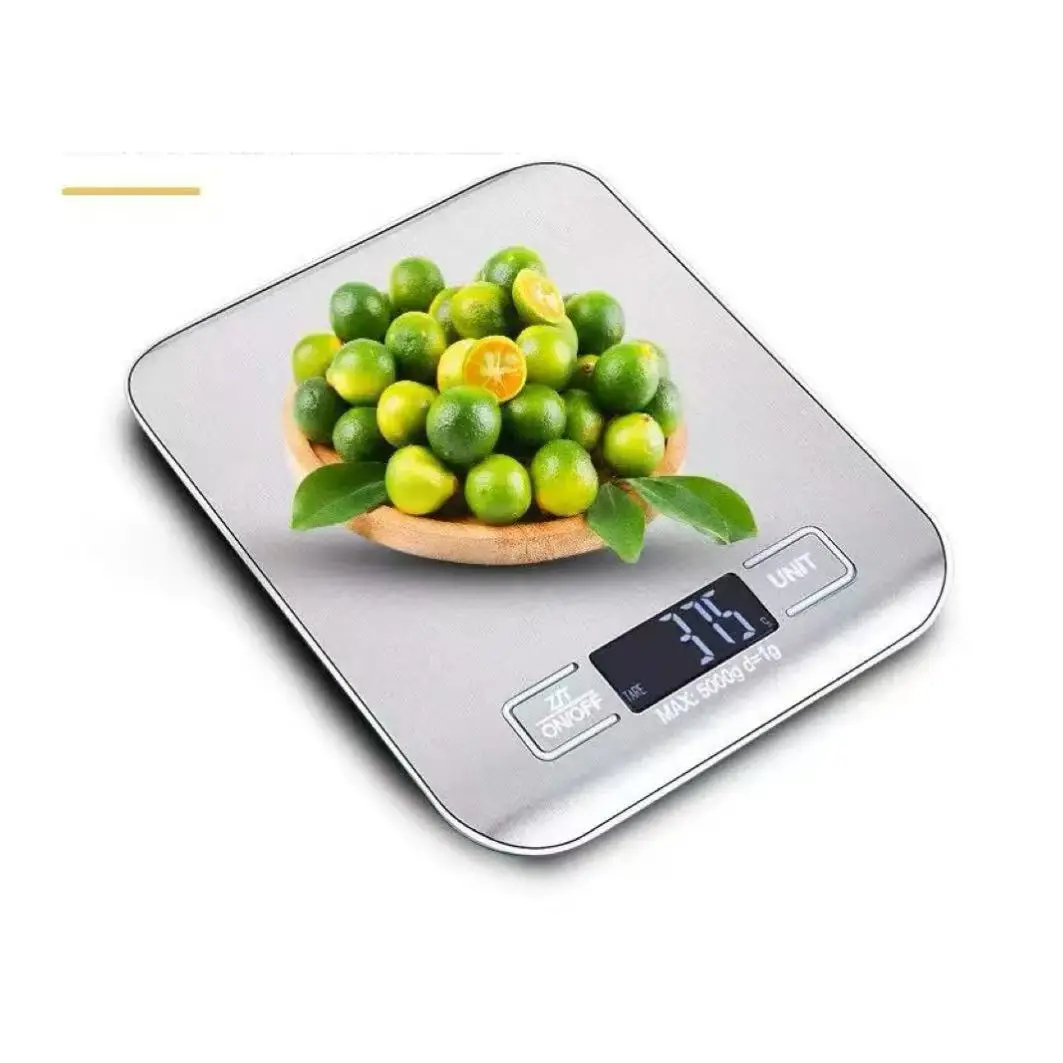
Browse kitchen and portion tools on Amazon
Food scales, portion containers and measuring sets, as an Amazon category search. We have not tested individual products.